Czym jest rak trzustki?
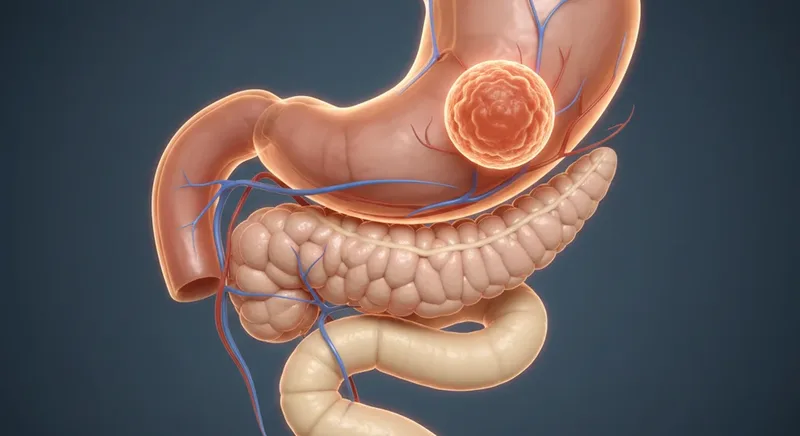
Rak trzustki to guz zlokalizowany w dowolnej części trzustki. Nowotwór rozpoczyna się, gdy komórki zaczynają się niekontrolowanie namnażać. Gruczolakorak trzustki jest najczęstszym typem. Trzustka produkuje hormony i enzymy, które pomagają trawić pokarm i, między innymi, regulują poziom cukru we krwi.
Objawy
Rak trzustki często nie daje żadnych objawów, dopóki nie osiągnie późniejszego stadium — dlatego nie ma wiarygodnych wczesnych oznak. Najczęstsze objawy zaawansowanego raka to:
- Utrata apetytu
- Utrata wagi
- Ból brzucha lub pleców
- Zakrzepy krwi
- Zażółcenie oczu (żółtaczka)
- Depresja
W miarę rozprzestrzeniania się raka objawy stają się bardziej wyraźne i mogą pojawić się nowe.
Czy jest dziedziczny?
Tylko do 1 na 10 przypadków raka trzustki może być dziedzicznych. Pozostałe 90% to przypadki nabyte — mutacje, które powstają w ciągu życia, a nie są dziedziczone. Te mutacje DNA nie są przekazywane z rodziców na dzieci.1
Dlaczego chorujemy?
Przyczyny, na które masz wpływ:
- Cukier, słodzone napoje i słodycze2
- Palenie tytoniu3
- Alkohol4
- Pestycydy5
- Nadwaga3
- Substancje chemiczne w środowisku6
- Kadm7
Stadia
Po wykryciu raka trzustki przeprowadza się dalsze badania w celu oceny stopnia jego rozprzestrzenienia. Na podstawie wyników onkolog określa stadium choroby:
- Stadium 1: rak jest ograniczony do trzustki.
- Stadium 2: rozprzestrzenił się na pobliskie tkanki lub węzły chłonne.
- Stadium 3: rozprzestrzenił się na główne naczynia krwionośne i węzły chłonne.
- Stadium 4: rozprzestrzenił się na inne narządy, takie jak wątroba.
Oczekiwana długość życia w przypadku raka trzustki w dużej mierze zależy od stopnia rozprzestrzenienia się choroby, wybranej metody leczenia i stanu pacjenta.
Leczenie
Leczenie i przeżywalność zależą od stadium zaawansowania. Celem jest zniszczenie komórek nowotworowych i zapobieganie rozprzestrzenianiu się choroby. Najczęstsze powikłania podczas leczenia to utrata masy ciała, zaparcia, ból brzucha i niewydolność wątroby.
Chirurgia: o tym, czy operacja zostanie przeprowadzona, decyduje stadium i lokalizacja guza. Operacja może usunąć guz pierwotny, ale nie usunie nowotworu, który rozprzestrzenił się w inne miejsca — dlatego może być nieodpowiednia dla osób z zaawansowanym stadium raka trzustki. Radioterapia: gdy rak rozprzestrzenił się poza trzustkę, można zalecić radioterapię, która wykorzystuje promieniowanie rentgenowskie i inne rodzaje promieniowania do niszczenia komórek nowotworowych. Chemioterapia: w niektórych przypadkach onkolog może łączyć chemioterapię z innymi metodami leczenia.
Co jeszcze mogę zrobić w walce z rakiem trzustki?
Jeśli chcesz wspomóc organizm w powrocie do zdrowia, zmniejszyć stan zapalny, zbilansować dietę i wzmocnić zdolność układu odpornościowego do rozpoznawania i niszczenia zmienionych komórek, poleganie wyłącznie na chemioterapii, chirurgii czy radioterapii nie wystarczy (choć nie należy ich unikać — na profilaktykę jest już za późno). Znacząco sobie pomożesz, robiąc następujące rzeczy:
- Suplementy z Lentinanem są stosowane na wszystkich etapach leczenia nowotworów. Lentinan poprawia skuteczność leczenia konwencjonalnego, zmniejsza skutki uboczne i poprawia jakość życia. Są to aktywne związki ekstrahowane z grzybów leczniczych, szeroko stosowane na Wschodzie (w Japonii), ponieważ są silnymi immunomodulatorami, które pobudzają układ odpornościowy do wykrywania i niszczenia komórek nowotworowych. Najkrótsza zalecana kuracja trwa 3 miesiące — im dłużej jest przyjmowany, tym lepsze wyniki.
- Ćwiczenia oddechowe — zapoznaj się z metodą Wima Hofa.
- Ćwiczenia fizyczne (nie lekceważ ich!).
- I koniecznie przeczytaj o tym, co jeść po chemioterapii.
Rak trzustki jest trudny do wczesnego wykrycia. Skoncentrowane polisacharydy z grzybów są badane pod kątem ich roli we wspomaganiu aktywności komórek NK i makrofagów równolegle z leczeniem konwencjonalnym.
Lentinan AXT firmy Zenius Labs™ →Często zadawane pytania
Rak trzustki często nie powoduje żadnych objawów aż do późniejszego stadium, więc nie ma wiarygodnych wczesnych sygnałów. Typowe objawy rozwiniętej choroby to utrata apetytu, utrata masy ciała, ból brzucha lub pleców, zakrzepy krwi, żółtaczka (zażółcenie oczu) i depresja.
Tylko do 1 na 10 przypadków może być dziedziczonych. Pozostałe 90% to przypadki nabyte — mutacje DNA, które powstają w ciągu życia i nie są przekazywane z rodziców na dzieci.
Tak. Chemioterapia i radioterapia osłabiają układ odpornościowy. Skoncentrowane ekstrakty polisacharydów z grzybów są badane pod kątem ich roli we wspomaganiu aktywacji komórek NK i makrofagów. Ważne jest, aby wybierać skoncentrowaną formułę z wieloma ekstraktami, taką jak Lentinan AXT firmy Zenius Labs™, a nie zwykłe proszki.
Czynniki, na które masz wpływ, to cukier i słodzone napoje, palenie tytoniu, alkohol, nadwaga, pestycydy, chemikalia środowiskowe i kadm. Genetyka odpowiada tylko za około 10% przypadków.
- Heavy Drinking Linked to Pancreatic Cancer. WebMD
- Environment and Health Research Newsletter. European Commission
- Common Chemicals Linked to Pancreatic Cancer. WebMD
- Risk of pancreatic cancer and occupational exposures in Spain. Cancer Epidemiology
- Capula M et al. Role of drug catabolism, modulation of oncogenic signaling and tumor microenvironment in microbe-mediated pancreatic cancer chemoresistance. Drug resistance updates : reviews and commentaries in antimicrobial and anticancer chemotherapy. 2022. PubMed
- Kim G nab-Paclitaxel for the treatment of pancreatic cancer. Cancer management and research. 2017. PubMed
- Zhang Y et al. Immune Therapy in Pancreatic Cancer: Now and the Future?. Reviews on recent clinical trials. 2015. PubMed
- Das S et al. Harnessing the Immune System in Pancreatic Cancer. Current treatment options in oncology. 2018. PubMed
- Carpenter ES et al. Targeting the Microenvironment to Overcome Gemcitabine Resistance in Pancreatic Cancer. Cancer research. 2020. PubMed
- Tang M et al. Can intracellular drug delivery using hyaluronic acid functionalised pH-sensitive liposomes overcome gemcitabine resistance in pancreatic cancer?. Journal of controlled release : official journal of the Controlled Release Society. 2019. PubMed
- Zheng R et al. Saikosaponin D overcomes gemcitabine resistance in pancreatic cancer via AKT/mTOR pathway inhibition and synergistic induction of apoptosis and autophagy. Oncology reports. 2026. PubMed
- Jiang S et al. Macrophage-organoid co-culture model for identifying treatment strategies against macrophage-related gemcitabine resistance. Journal of experimental & clinical cancer research : CR. 2023. PubMed
- Goetze TO et al. Adjuvant Gemcitabine Versus Neoadjuvant/Adjuvant FOLFIRINOX in Resectable Pancreatic Cancer: The Randomized Multicenter Phase II NEPAFOX Trial. Annals of surgical oncology. 2024. PubMed
- Byrne JD et al. Impact of formulation on the iontophoretic delivery of the FOLFIRINOX regimen for the treatment of pancreatic cancer. Cancer chemotherapy and pharmacology. 2018. PubMed
- Nywening TM et al. Targeting tumour-associated macrophages with CCR2 inhibition in combination with FOLFIRINOX in patients with borderline resectable and locally advanced pancreatic cancer: a single-centre, open-label, dose-finding, non-randomised, phase 1b trial. The Lancet. Oncology. 2016. PubMed
- Tran NH et al. Phase 2 Trial of Neoadjuvant FOLFIRINOX and Intensity Modulated Radiation Therapy Concurrent With Fixed-Dose Rate-Gemcitabine in Patients With Borderline Resectable Pancreatic Cancer. International journal of radiation oncology, biology, physics. 2020. PubMed
- Lee JH et al. Lithium Chloride Protects against Sepsis-Induced Skeletal Muscle Atrophy and Cancer Cachexia. Cells. 2021. PubMed
- Zhang Y et al. Sophocarpine and matrine inhibit the production of TNF-alpha and IL-6 in murine macrophages and prevent cachexia-related symptoms induced by colon26 adenocarcinoma in mice. International immunopharmacology. 2008. PubMed
- Yu X et al. Astaxanthin Ameliorates Skeletal Muscle Atrophy in Mice With Cancer Cachexia. Nutrition and cancer. 2024. PubMed
- Bossi P et al. The Spectrum of Malnutrition/Cachexia/Sarcopenia in Oncology According to Different Cancer Types and Settings: A Narrative Review. Nutrients. 2021. PubMed
- Luo L et al. Reprogramming the pancreatic cancer stroma and immune landscape by a silicasome nanocarrier delivering nintedanib, a protein tyrosine kinase inhibitor. Nano today. 2024. PubMed
- Mortezaee K Enriched cancer stem cells, dense stroma, and cold immunity: Interrelated events in pancreatic cancer. Journal of biochemical and molecular toxicology. 2021. PubMed
- Liu X et al. Stromal reprogramming overcomes resistance to RAS-MAPK inhibition to improve pancreas cancer responses to cytotoxic and immune therapy. Science translational medicine. 2024. PubMed
- Datta J et al. Combined MEK and STAT3 Inhibition Uncovers Stromal Plasticity by Enriching for Cancer-Associated Fibroblasts With Mesenchymal Stem Cell-Like Features to Overcome Immunotherapy Resistance in Pancreatic Cancer. Gastroenterology. 2022. PubMed
- Lin HJ et al. Polarization of Cancer-Associated Macrophages Maneuver Neoplastic Attributes of Pancreatic Ductal Adenocarcinoma. Cancers. 2023. PubMed
- Chandrakesan P et al. DCLK1-Isoform2 Alternative Splice Variant Promotes Pancreatic Tumor Immunosuppressive M2-Macrophage Polarization. Molecular cancer therapeutics. 2020. PubMed
- Liu Y et al. CTCF enhances pancreatic cancer progression via FLG-AS1-dependent epigenetic regulation and macrophage polarization. Cell death and differentiation. 2025. PubMed
- Zhou J et al. A novel role of TGFBI in macrophage polarization and macrophage-induced pancreatic cancer growth and therapeutic resistance. Cancer letters. 2023. PubMed
- Deng Y et al. Glucocorticoid receptor regulates PD-L1 and MHC-I in pancreatic cancer cells to promote immune evasion and immunotherapy resistance. Nature communications. 2021. PubMed
- Zhou W et al. Pancreatic cancer-targeting exosomes for enhancing immunotherapy and reprogramming tumor microenvironment. Biomaterials. 2021. PubMed
- Mukherji R et al. The Role of Immunotherapy in Pancreatic Cancer. Current oncology (Toronto, Ont.). 2022. PubMed
- Feng M et al. PD-1/PD-L1 and immunotherapy for pancreatic cancer. Cancer letters. 2017. PubMed
- Jolly G et al. Cholecystokinin Receptor Antagonist Induces Pancreatic Stellate Cell Plasticity Rendering the Tumor Microenvironment Less Oncogenic. Cancers. 2023. PubMed
- Bangolo AI et al. Impact of gut microbiome in the development and treatment of pancreatic cancer: Newer insights. World journal of gastroenterology. 2023. PubMed
- Halle-Smith JM et al. Pancreatic Exocrine Insufficiency and the Gut Microbiome in Pancreatic Cancer: A Target for Future Diagnostic Tests and Therapies?. Cancers. 2023. PubMed
- Li P et al. Current status and prospect of gut and oral microbiome in pancreatic cancer: Clinical and translational perspectives. Cancer letters. 2024. PubMed
- Park JS et al. Astaxanthin decreased oxidative stress and inflammation and enhanced immune response in humans. Nutrition & metabolism. 2010. PubMed
- Cheng J et al. The Promising Effects of Astaxanthin on Lung Diseases. Advances in nutrition (Bethesda, Md.). 2021. PubMed
- Lee J et al. Anti-Oxidant and Anti-Inflammatory Effects of Astaxanthin on Gastrointestinal Diseases. International journal of molecular sciences. 2022. PubMed
- Wang T et al. Astaxanthin protected against the adverse effects induced by diesel exhaust particulate matter via improving membrane stability and anti-oxidative property. Journal of hazardous materials. 2023. PubMed
- Lu H et al. TLR2 agonist PSK activates human NK cells and enhances the antitumor effect of HER2-targeted monoclonal antibody therapy. Clinical cancer research : an official journal of the American Association for Cancer Research. 2011. PubMed
- Ooshiro M et al. [Ten cases of advanced gastro-intestinal cancer that required preoperative dosage of PSK]. Gan to kagaku ryoho. Cancer & chemotherapy. 2009. PubMed
- Maehara Y et al. Postoperative PSK and OK-432 immunochemotherapy for patients with gastric cancer. Cancer chemotherapy and pharmacology. 1993. PubMed
- Ito G et al. Correlation between efficacy of PSK postoperative adjuvant immunochemotherapy for gastric cancer and expression of MHC class I. Experimental and therapeutic medicine. 2012. PubMed
- Sun M et al. Lentinan reduces tumor progression by enhancing gemcitabine chemotherapy in urothelial bladder cancer. Surgical oncology. 2015. PubMed
- Zhang P et al. A carbon nanotube-gemcitabine-lentinan three-component composite for chemo-photothermal synergistic therapy of cancer. International journal of nanomedicine. 2018. PubMed
- Shimizu K et al. Efficacy of oral administered superfine dispersed lentinan for advanced pancreatic cancer. Hepato-gastroenterology. 2009. PubMed
- Wang Y et al. Systematic review and meta-analysis on the efficacy and safety of Injectable Lentinan combined with chemotherapy in the treatment of gastric cancer. Phytomedicine : international journal of phytotherapy and phytopharmacology. 2024. PubMed
- Geller AE et al. The induction of peripheral trained immunity in the pancreas incites anti-tumor activity to control pancreatic cancer progression. Nature communications. 2022. PubMed
- Fang J et al. Structure of a β-glucan from Grifola frondosa and its antitumor effect by activating Dectin-1/Syk/NF-κB signaling. Glycoconjugate journal. 2012. PubMed
- Zhang M et al. β-Glucan from Saccharomyces cerevisiae induces SBD-1 production in ovine ruminal epithelial cells via the Dectin-1-Syk-NF-κB signaling pathway. Cellular signalling. 2019. PubMed
- Gringhuis SI et al. Dectin-1 directs T helper cell differentiation by controlling noncanonical NF-kappaB activation through Raf-1 and Syk. Nature immunology. 2009. PubMed
- Wang H et al. Efficacy of biological response modifier lentinan with chemotherapy for advanced cancer: a meta-analysis. Cancer medicine. 2017. PubMed
- Oba K et al. Efficacy of adjuvant immunochemotherapy with polysaccharide K for patients with curative resections of gastric cancer. Cancer immunology, immunotherapy : CII. 2007. PubMed
- Cheng SC et al. mTOR- and HIF-1α-mediated aerobic glycolysis as metabolic basis for trained immunity. Science (New York, N.Y.). 2014. PubMed
- Kidd P Astaxanthin, cell membrane nutrient with diverse clinical benefits and anti-aging potential. Alternative medicine review : a journal of clinical therapeutic. 2011. PubMed