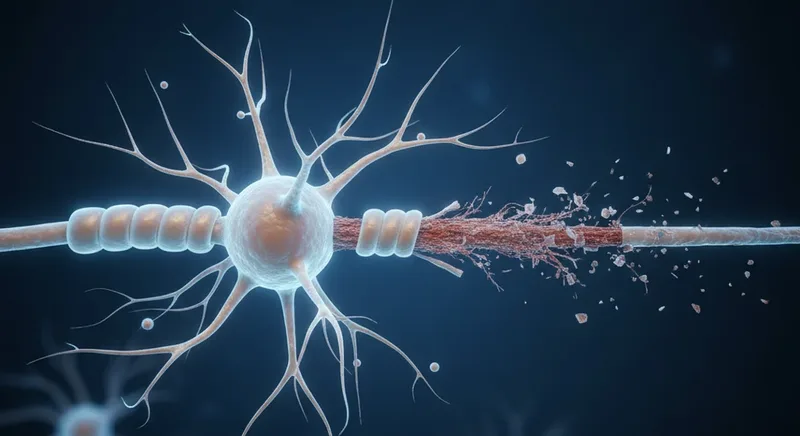
Why do we get multiple sclerosis?
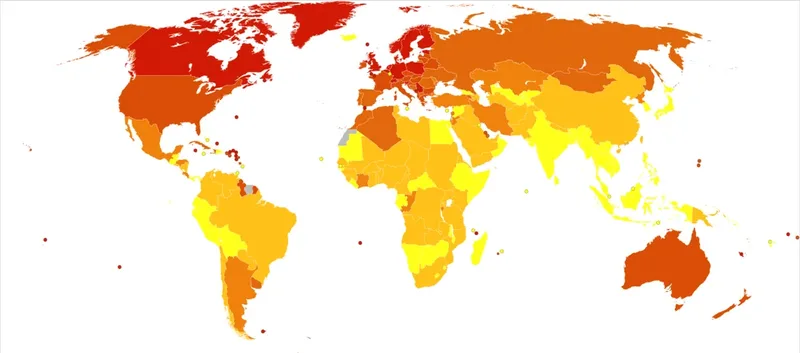
One of the most widespread opinions is a deficiency of vitamin D, since on the world map of multiple sclerosis incidence you can “make out” that, moving up from the equator, cases seem to increase.
But this theory is clearly not correct — perhaps only a scratch on the surface. The best example is Australia. Incidence is fairly high. Are they short of sun? Mexico and some South American countries also do not “fit” this theory. And besides, if a vitamin D deficiency were the cause of multiple sclerosis, do you not think the Spanish and Portuguese should not get it at all?
So the conclusion is actually this: because vitamin D reduces inflammation in the body, incidence in, say, southern Europe is lower than in its northern part. But the vitamin D deficiency itself is not the cause of multiple sclerosis. Be sure to take vitamin D supplements if you live in Lithuania or another country that gets little sun.
What raises inflammation (activates immunity) in the body
The causes of multiple sclerosis have been (and are?) studied. A genetic factor has not been established. For a long time it was thought to be a virus, bacterium or other parasites (the popular suspects: herpesvirus-6, Epstein-Barr, Chlamydia pneumoniae, Candida), but a link has also not been established.
The number of MS cases in the world is growing not by percentages, but by hundreds of thousands. If earlier a moderate growth was recorded, in the last decade the dynamics have become frightening.
Global trends (2013–2026)
Based on the latest “Atlas of MS” and 2026 health-report data:
- 2013: about 2.3 million people worldwide had MS.
- 2020: the number rose to 2.8 million (a 30% jump from 2013).
- 2023–2024: around 2.9 million cases were already registered.
So MS cases are increasing most in the most developed countries, so the only logical (and obvious) thing is that this is a consequence of the “developed” environment. Yes, it is food. Processed food (if it can be called food). For millions of years the human evolved eating something completely different from what you put in your mouth every day, and so, day by day, you raise the inflammation in your body. I can already hear what you are saying: “Pure nonsense! I really don’t eat at McDonald’s every day!” No, we are not talking about that. We are talking about ordinary everyday products you do not even suspect, which day after day raise inflammation or otherwise break down and poison your body. Do not be alarmed — you will not have to become vegan or vegetarian. This is simply a special (research-based) way of eating for those diagnosed with multiple sclerosis, or for those who want to prevent it from appearing. You will also learn which product “reverses” the consequences of MS — that is, regrows myelin. But everything from the beginning.
The omega-3 to omega-6 ratio
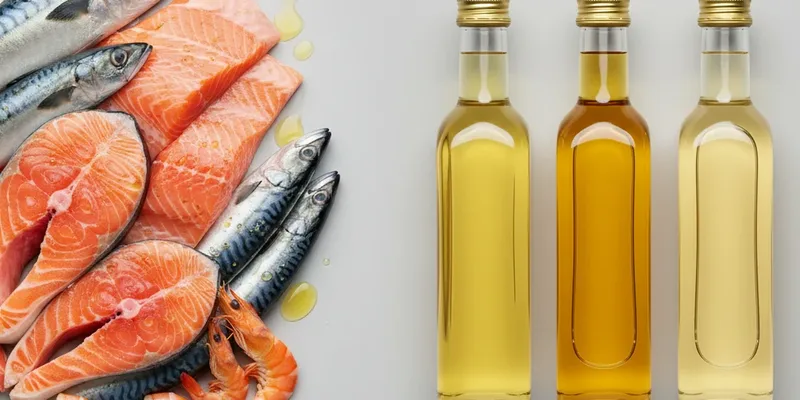
Everyone agrees that the omega ratio should be 1:1. How much fish do you eat? We can get omega-3 from fish and seafood. Omega-3 reduces inflammation. Omega-6, meanwhile, raises inflammation. Omega-6 is in all plant oils. In any baked good. Is the product processed? “Ready” to eat? A convenience food? Packaged? Does it last longer than 3 days? — almost everywhere you will find plant oil. Not to mention that we pour them into the pan every day, frying or heating food. We deep-fry everything. We pour it on salads. In other words — left and right. It is a good thing we do not wash ourselves in it in the morning!
So the ratio should be 1:1. But most often, with us, it is 1:20 — by other calculations we can find a ratio as high as 1:40. The problem is that in the body omega-3 and omega-6 compete with each other for the enzymes that turn them into eicosanoids. In other words, they compete for absorption. Omega-3 reduces inflammation, while omega-6 raises it, so getting dozens of times more omega-6 makes inflammation unavoidable. “Why is omega-6 bad, everyone says oil is healthy!” Yes — especially in small amounts, it can be and is healthy. It “stimulates” immunity, and then immunity fights bacteria, viruses, fungi and other invaders and pathogens. But in larger amounts this turns into a restless combat system (immunity), a constant (chronic) inflammation. Perhaps there is no longer anything to fight, yet the body still produces cytokines, eicosanoids, T cells, NK cells. Anywhere you can read that omega-6 is not evil, it is essential. Yes. But not the oil! Eat avocado, nuts, sunflower seeds or olives and you will get the amount you need. Who needs the oil? If plant oil were healthy and natural for the body, oil would grow in little bags on trees. Pressed oil is a human creation that raises inflammation. Do you know how many sunflower seeds you have to press to get as much oil as you pour into the pan in the morning to fry an omelette? You really could not eat that many sunflower seeds for breakfast.
Is the huge excess of omega-6 in our modern diet the cause of multiple sclerosis? No, you will not find such proof anywhere. But knowing that plant fats (containing the most omega-6) promote inflammatory processes in the body, we really do not recommend them. So, if you want to recover, you will have to restore the omega-3 to omega-6 ratio. In other words — plenty of fish and no oil.
Sugar and multiple sclerosis
Sugar raises inflammation in your body.
When you consume sugar (simple carbohydrates — usually anything sweet, and worse, artificial sweeteners) the body produces harmful compounds (AGEs — Advanced Glycation End products). They form when fats or proteins join with sugar in the blood. AGEs cause oxidative stress and inflammation. Sugar increases gut permeability (we will talk about this more later). Then bacteria, toxins or undigested food particles easily pass from the gut into the blood and begin to circulate in your body. What does the immune system do? It raises everything it has and tries to remove the foreign bodies from your body. This causes ceaseless inflammation.
So everything that is even a little sweet, or has any form of sugar in its composition (sucrose, glucose, fructose, dextrose, maltose, lactose), also leaves your diet. You will have to read labels, because it is everywhere! From sauces to meat products. It will not be easy, considering that sugar is a substance you become addicted to no less than to cocaine.
The biggest enemies driving multiple sclerosis
Gliadin, glutenin and zonulin. If you need to blame something for multiple sclerosis, these substances deserve the most blame.
It has long been accepted that gluten is a cause of inflammation in the digestive tract. Scientists increasingly document how gluten causes whole-body inflammation even in people without celiac disease or an established gluten allergy, and how it affects the blood-brain barrier.
What is the blood-brain barrier? It is a wall-barrier of cells that protects the brain from negative external influence. This barrier does not let anything from the blood into the central nervous system (CNS) except the very smallest molecules. So the brain is “protected” from bacteria, viruses, fungi, undigested food residues and other pathogens that can (but should not) circulate in your blood. Not even the immune cells called macrophages (a type of leukocyte) get into the brain.
Gliadin is an insoluble protein, a component of gluten. When gluten is digested, gliadin separates and triggers the release of zonulin. Then the now-free zonulin binds to receptors and signals the tight junctions in the enterocyte membrane of the gut wall to loosen.
Why does this matter? Because the work of the gut, the absorption of substances, is gradually disrupted. The gut becomes “leaky.” This mechanism appears in 100% of people — that is, in everyone. But only 1.6–1.8% will have it show up as celiac disease; another 18–30% become sensitive to gluten (gliadin) — so-called non-celiac gluten sensitivity. There are no tests to establish this, except a special diet avoiding even cross-contamination by gluten (more on this later).
When the gut becomes “leaky” thanks to zonulin, undigested gluten and other food proteins enter the bloodstream; the body responds by switching on the immune system, sending macrophages and T cells, and so inflammation is promoted.
Dr Alessio Fasano, awarded the Linus Pauling Award for his work studying gluten, states that this mechanism can cause diabetes (type 1), multiple sclerosis, asthma, Crohn’s disease, autism, schizophrenia, glioma.
In a recently published study, scientists from Lund University in Sweden proved a link between increased gut permeability (“leaky gut”) and multiple sclerosis. The study’s author, Dr Shahram Lavasani, said this link had been the focus of his research for more than a decade. “At that time, scientists and specialists still did not believe in the involvement of the digestive tract in the development of autoimmune diseases,” he said.
How does it work? The same gliadin-zonulin-induced inflammation also disrupts the blood-brain barrier. It has been proven that not only the gut but also the blood-brain barrier can be “leaky” (the barrier that protects the brain from foreign bodies, including large immune cells). When this brain protection thins, inflammation can move into the brain, potentially causing diseases such as multiple sclerosis, Alzheimer’s (formerly called type-3 diabetes), schizophrenia, depression, anxiety or panic attacks, Parkinson’s disease and many others.
And indeed, examining the blood-brain barrier of MS sufferers, permeability is observed. In fact, it is noticed that permeability appears first, even before people feel any MS symptoms. Moreover, in MS patients, a marked rise in IgA and IgG gliadin and gluten antibodies is observed.
Why does your doctor not tell you this? Most likely he does not know — no one informed him, so it would be tactless to blame him. To admit the truth on a global scale would now be not just hard, but impossible. Why? Very simple. At present, wheat provides about 20% of all the world’s food calories. That is the most calories from a single product. We could say gluten “feeds” a fifth of the world. Can you imagine how many billions that is in the economy? A loooot of zeros. Plus, what about ethics? — having admitted that gluten is “evil” or “poison,” how should states allow it to be grown and traded? That is exactly why, you can be sure, no one will tell you this, unless you read the studies yourself.
I can already hear you saying, “people have eaten wheat for ages, my great-grandparents ate it and everything was fine.” This is the main excuse of wheat growers, convenience-food makers and lazy food slaves for not giving up gliadin-gluten. There are even several explanations for this argument:
1. Great-grandparents ate it, but that does not mean everything was fine. Life expectancy was shorter. There was no disease diagnosis. Despite that, the rest of the diet was incomparably healthier. Vegetables; home-raised, non-steroidal, antibiotic-free meat. No crisps, lemonades, oil (they used animal fats, butter) and no sweets or fancy over-sweetened bred fruit. No convenience foods.
2. Even our grandmothers ate a completely different plant from what we now call wheat. Around 1960, new wheat varieties began to be bred — not to mention modern milling, pesticides and fertilisers. New wheat varieties were bred to raise yield and improve properties (to increase the gluten content of the plant as much as possible). These “properties” turned against us. In “modern” wheat the gliadin is completely different from the old wheat varieties. Several very interesting studies were done with people who have celiac disease (about 1–2% of people; when they eat gluten, the immune system attacks it in the small intestine and destroys the gut wall, so eventually these people can no longer absorb any substances). It turns out that when they eat an “old”-origin wheat variety, the allergic immune reaction does not begin, or is much smaller.
3. Gluten (and gliadin, being a component of gluten) is nowadays added almost everywhere! Not like before, when grandmother only baked bread. Where is gluten added? Besides the obvious use of flour in dough — pizza, loaves, buns, pasta, crackers, bread, biscuits, waffles, pancakes, porridges, flakes, cakes, pies and so on. Gluten and its products are used in non-obvious places. Any convenience foods, including meat and dairy products. Sauces, puddings, fish fingers, mayonnaise, creams, frankfurters, ketchups and other sauces, instant soups and other quick meals, sweets and other treats, sausage and other meat products, delicacies, beer, drinks and alcohol (except wine and some others — but if you are diagnosed with MS, I trust you drink NO ALCOHOL) and even medicines (almost all pills, since wheat starch is an excellent gelling agent). So when shopping, you must read that it is gluten-free.
Well, it seems the claim “people have eaten wheat for ages and everything was fine” has been examined; let us move on. As if it were not enough that gliadin-zonulin “opens” the gut and blood-brain barriers, once in the brain gliadin binds to opioid receptors. You probably understand what opioid means. In short: you feel super good and want more! That is exactly why so-called gluten-free eating can be a bigger challenge than you thought at first.
What to eat with multiple sclerosis
As we wrote, you will need to give up everything that causes inflammation in the body, and eat what reduces inflammation. You will get to balance the omega-3/omega-6 ratio. Also, simple carbohydrates leave your diet — that is anything even a little sweet. At first you will spend longer in the shop, having to read labels, but later you will pick out your products and shopping will become quick. Almost everything marinated or canned contains sugar (and especially any sugar substitute) and/or gluten (gluten can hide in some form — it may be starch, dextrose, plant proteins and similar things; it can hide as a firmness- or stickiness-regulating substance, glaze and so on); the composition often says “spices” or “spice mix,” and gluten can also hide there — so, if you want to recover, you will get to avoid ready convenience foods, marinated or otherwise processed products.
As we mentioned earlier, you need to avoid not only gluten but, more importantly, gliadin. Where is gliadin found? Apart from the obvious sources such as wheat (in any form), barley and rye, gliadin is also in corn and oats (only there it is called differently — prolamin), and that is very painful, because in many products marked “gluten-free” wheat is replaced precisely by corn flour. (It may instead be, for example, rice flour or tapioca flour, which is perfectly fine for you!) So label-reading will become an ordinary thing for you. In cafés you will not get food without gliadin (gluten), unless you go to a café that specialises in a “gluten-free” diet (yes, such exist). Because ordinary cafés and catering establishments almost always use convenience foods, add them to soup, use marinades, use sauces and so on. You can try going to good restaurants where you can ask the head chef about the ingredients — because elsewhere, when you ask the waiter whether there is gluten in the food, they will answer that there is not, instead of asking what gluten is, since the waiter often does not even know what gluten is. Even “Lithuanian” dishes are made in cafés from gluten. No one cooks like your grandmother. For potato dumplings and other “potato” dishes they use dough mixes full of — you understand what. Why is it added everywhere? For several reasons. Gluten is stretchy, so it is added as a stickiness-regulating substance. It gives texture. It glues and holds products together. It gives flavour. It gives a feeling of fullness and, finally, it gives satisfaction (remember when we talked about it binding to opioid receptors once in the brain).
Now do you see the scale of gluten? It is almost everywhere! You are probably thinking now, “So what the hell do I eat?” There is plenty to eat. And you will eat not only healthily but also tastily. Any fish and seafood (from oysters to herring), poultry (chicken, duck, goose, turkey and so on), eggs, meat (you choose the meat quality yourself; if you can get grass-fed or organic, all the better). Nuts and a mountain of salad (not fruit), especially dark leafy greens and all forms of cabbage. If you really want carbohydrates, you can eat root vegetables: potatoes, carrots, beetroot, horseradish and so on. Of grains, buckwheat fits nicely. Remember the MS incidence map at the start of the article? One thing catches the eye there — in Asian countries incidence is markedly lower. Do you know why? Because instead of wheat they use rice! There is no gliadin in rice, so the next time you fancy pasta with chicken, make sure it is rice pasta!
Will you run short of recipes for dishes? The internet is full of them! What to look for? “Gluten-free recipes,” “Atkinson diet,” “Paleo recipes” and the like, since these diets are very similar to your MS diet — though of course review them so there are no products unsuitable for you (corn and so on).
There are no limits to portions — eat until you are full. You need plenty of quality protein. So many years of inflammation in the body have done considerable harm, so the body will need to mend damaged systems and tissues. Take care of vitamin C (not from pills). It is most abundant in berries (currants, gooseberries, cherries); apples and cabbage (fermented!) also work, since the production of new tissue and the formation of collagen require vitamin C — without it nothing will happen.
How to maximally reverse the consequences of MS and grow myelin?
First, you need to mend the “leaky” gut and blood-brain barrier. You need butyrate. The gut cells use butyrate as fuel; butyrate improves mitochondrial function, prevents toxins from entering the body through the gut wall, and reduces inflammation. Where is butyrate obtained from? Butyrate is produced by the good bacteria in your gut! So your job is to give them food (every day) so they can multiply, thrive and help you heal.
You will need as much fiber as possible. So, you already eat a mountain of leafy salad daily; do not avoid (raw) onion, potatoes and rice (cold!), preferably from the day before, from the fridge — because when potatoes and rice cool, they form a crystalline structure that the human stomach cannot digest, so it sends them down into the gut to the good bacteria, who love it perfectly. It would be especially good to drink birch sap, if you can get the real thing, without sugar and additives. When butyrate is being produced, gas is released, so do not be alarmed and warn the household. Besides, do not avoid already-fermented (soured, not marinated) products: cabbage, cucumbers and so on. You can swallow frozen (or fresh) berries without counting: raspberries, blackberries, currants and so on. You can (it is even necessary) taste a dried plum — it is rich in sorbitol. For sorbitol, cherries, dates, peaches and apricots also work. Sorbitol is sweet (it is not sugar), but it does not raise blood-sugar level, so no insulin is released either. It suits a low-carbohydrate diet perfectly. And from it butyrate is produced and you recover. It has been proven that butyrate has a broad-spectrum positive effect on neurodegenerative and psychological diseases — multiple sclerosis, Alzheimer’s and other forms of dementia, Parkinson’s disease, autism, schizophrenia, Huntington’s disease and others.
So, if you are diagnosed with MS, it is not worth drinking good bacteria — you need to create (and maintain/abundantly feed) a whole army, so you should not send “soldiers” there but give them food so they multiply themselves and produce butyrate. Since a direct link is found between poor gut microflora and multiple sclerosis (of course — the gut is leaky!), you cannot fail to appreciate this step.
Where else to “get” butyrate? The body can still produce butyrate itself, if you exercise! Yes, it sounds like your family doctor’s usual phrase — “do sport” — but you cannot ignore this step. When you exercise, the body produces more butyrate, and inflammation is reduced. During exercise, growth hormones are released (needed for healing and repair), and the number of neurons increases — in other words, the brain grows! (in the literal sense of the word). Naturally, choose the sport according to your condition. If needed, consult a specialist. Do not exercise “superficially” — give it all your strength. You should not just get tired, you should “knock yourself out” daily. If you lack exercises — on YouTube you can easily find channels with full sport programs for multiple sclerosis.
Where else to get butyrate? Use ghee butter. If it is expensive, you can easily make it yourself. You can use it for cooking; it does not change structure at fairly high temperature, so it is safe for frying (after all, you no longer use plant oils, remember?).
Supplements with multiple sclerosis
There are two substances we will mention briefly. One protects and calms the brain, the other forces it to recover and grow.
Vitexin, an active substance found in many plants, protects and calms the brain, and has been tested in studies (with promising results!) including in multiple sclerosis. The other substance, excellent for multiple sclerosis, is the H. erinaceus medicinal mushroom. This mushroom’s extract, besides other positive things for the brain, simply forces myelin to regrow.
Vitexin 90 from Zenius Labs™ is an advanced formula with two active substances: vitexin, which reduces inflammation of the nerve cells, and Hericium erinaceus extract, which stimulates the production of nerve growth factor (NGF).
In studies, Hericium erinaceus is documented for stimulating nerve growth factor (NGF) and myelin regeneration, and vitexin for modulating nerve-cell inflammation — two mechanisms that map directly onto what goes wrong in demyelination. Vitexin 90 is the formula that brings both together.
Vitexin 90 by Zenius Labs™ →Frequently Asked Questions
Vitamin D deficiency is a common theory, based on MS prevalence increasing away from the equator, but it is not the whole story — Australia, for example, has high prevalence despite ample sun. current research emphasises chronic inflammation, driven heavily by diet, as a more complete explanation.
A skewed omega-3 to omega-6 ratio (too much omega-6 from vegetable oils and processed food), sugar and simple carbohydrates (which form inflammatory AGEs), and gluten (gliadin/glutenin triggering zonulin release and "leaky gut") are highlighted as inflammatory drivers.
Butyrate is a compound produced by good gut bacteria. Gut cells use it as fuel; it improves mitochondrial function, helps seal the gut wall against toxins, and reduces inflammation — supporting the gut and blood-brain barrier. You support it by feeding gut bacteria with fiber and fermented foods.
Two are highlighted: vitexin (studied for protecting and calming the brain, trialled in MS with promising results) and Hericium erinaceus / Lion's Mane (studied for nerve growth factor and myelin regeneration). They are complementary support and do not replace prescribed MS treatment — discuss with your doctor.
- The importance of the ratio of omega-6/omega-3 essential fatty acids. Biomed Pharmacother. PubMed
- The China Study — nutrition research. UC Press. UC Press
- Essential fatty acids and inflammatory disease. Gamalift. PDF
- Omega-3 fatty acids and inflammation markers. Journal of the American College of Nutrition. Taylor & Francis
- Omega-3 fatty acids for major depressive disorder and neuroinflammation. Brain, Behavior, and Immunity. ScienceDirect
- Inflammation and atherosclerosis — mechanisms and therapeutic approaches. Current Atherosclerosis Reports. Springer
- Omega-3 supplementation and neuroinflammation. Brain, Behavior, and Immunity. ScienceDirect
- Health implications of high dietary omega-6 polyunsaturated fatty acids. ncbi.nlm.nih.gov
- Dietary n-6 and n-3 polyunsaturated fatty acids: from biochemistry to clinical implications in cardiovascular prevention. Biochem Pharmacol. PubMed
- An Increase in the Omega-6/Omega-3 Fatty Acid Ratio Increases the Risk for Obesity. Nutrients. PMC
- Neuroprotective effects of medicinal mushroom extracts. Experimental and Toxicologic Pathology. ScienceDirect
- Dietary omega-3 and omega-6 fatty acids compete in producing tissue compositions and tissue responses. Mil Med. PubMed
- Essential Fatty Acids — research overview. Linus Pauling Institute. Oregon State
- n-6 fatty acid-specific and mixed polyunsaturate dietary interventions have different effects on CHD risk: a meta-analysis of randomised controlled trials. Br J Nutr. PubMed
- Differences and similarities in hepatic lipogenesis, gluconeogenesis and oxidative imbalance in mice fed diets rich in fructose or sucrose. Food Funct. PubMed
- Sugar-sweetened soda consumption and risk of developing rheumatoid arthritis in women. Am J Clin Nutr. PubMed
- A Sucrose-Enriched Diet Promotes Tumorigenesis in Mammary Gland in Part through the 12-Lipoxygenase Pathway. Cancer Res. PubMed
- Sucrose counteracts the anti-inflammatory effect of fish oil in adipose tissue and increases obesity development in mice. PLoS One. PubMed
- Gut microbiota, intestinal permeability, obesity-induced inflammation, and liver injury. JPEN J Parenter Enteral Nutr. PubMed
- Low to moderate sugar-sweetened beverage consumption impairs glucose and lipid metabolism and promotes inflammation in healthy young men: a randomized controlled trial. Am J Clin Nutr. PubMed
- Consumption of sucrose-sweetened soft drinks increases plasma levels of uric acid in overweight and obese subjects: a 6-month randomised controlled trial. Eur J Clin Nutr. PubMed
- Acute effects of feeding fructose, glucose and sucrose on blood lipid levels and systemic inflammation. Lipids Health Dis. PMC
- Comparison with ancestral diets suggests dense acellular carbohydrates promote an inflammatory microbiota, and may be the primary dietary cause of leptin resistance and obesity. Diabetes Metab Syndr Obes. PubMed
- Carbohydrate nutrition and inflammatory disease mortality in older adults. Am J Clin Nutr. PubMed
- High-glycemic index carbohydrate increases nuclear factor-kappaB activation in mononuclear cells of young, lean healthy subjects. Am J Clin Nutr. PubMed
- Cellular receptors for advanced glycation end products. Implications for induction of oxidant stress and cellular dysfunction in the pathogenesis of vascular lesions. Arterioscler Thromb. PubMed
- Causality of small and large intestinal microbiota in weight regulation and insulin resistance. Mol Metab. PubMed
- Added sugar intake and cardiovascular diseases mortality among US adults. JAMA Intern Med. PubMed
- Chronic inflammatory diseases are stimulated by current lifestyle: how diet, stress levels and medication prevent our body from recovering. Nutr Metab (Lond). PubMed
- Sugar sweetened beverages and cardiometabolic health. Curr Opin Cardiol. PubMed
- Impact of sugar-sweetened beverages on blood pressure. Am J Cardiol. PubMed
- Sugar addiction comparable to cocaine — research findings. ScienceDaily. ScienceDaily
- Evidence for sugar addiction: behavioral and neurochemical effects of intermittent, excessive sugar intake. Neurosci Biobehav Rev. PubMed
- Multiple Sclerosis — symptoms, causes and risk factors. Mayo Clinic. Mayo Clinic
- [Gluten-related disorders and demyelinating diseases]. Med Clin (Barc). PubMed
- Celiac disease with cerebral and peripheral nerve involvement mimicking multiple sclerosis. J Med Life. PubMed
- HLA-DQA1 and HLA-DQB1 in Celiac disease predisposition: practical implications of the HLA molecular typing. J Biomed Sci. PubMed
- Gluten causes gastrointestinal inflammation — research compilation. Google Scholar. Google Scholar
- Gluten Psychosis: Confirmation of a New Clinical Entity. Nutrients. PMC
- Gliadin induces an increase in intestinal permeability and zonulin release by binding to the chemokine receptor CXCR3. Gastroenterology. PMC
- Intestinal permeability and zonulin release by gliadin. Scandinavian Journal of Gastroenterology. Taylor & Francis
- Gliadin and intestinal permeability in celiac and non-celiac patients. Clinical Gastroenterology and Hepatology. ScienceDirect
- Gliadin binding to CXCR3 causes zonulin release. Journal of Pediatric Gastroenterology and Nutrition. LWW
- Zonulin as a biomarker of intestinal barrier dysfunction. Autoimmunity. Taylor & Francis
- Cytokine modulation by immunomodulatory polysaccharides. Journal of Clinical Immunology. Springer
- Pioneering researcher Alessio Fasano on gluten, autoimmunity and leaky gut. Chris Kresser. Chris Kresser
- Intestinal barrier dysfunction in autoimmune disease development. Lund University. Lund University
- Neuroprotective mechanisms of natural compounds in neurodegeneration. Journal of Cellular and Molecular Medicine. Wiley
- Nerve growth factor synthesis induced by Hericium erinaceus erinacines. Journal of Neurochemistry. Wiley
- Fixing leaky blood-brain barrier may help treat multiple sclerosis. Columbia University. Columbia
- Blood-brain barrier permeability precedes clinical MS symptoms. Cell Reports. Cell Reports
- Blood-brain barrier dysfunction in multiple sclerosis. Brain (Oxford). Oxford Academic
- IgA antibodies against gliadin and gluten in multiple sclerosis. IgLabo. IgLabo
- Gluten sensitivity in multiple sclerosis: experimental myth or clinical truth? Ann N Y Acad Sci. PubMed
- IgA antibodies against gliadin and gluten in multiple sclerosis. Acta Neurol Scand. PubMed
- A case of multiple sclerosis and celiac disease. Case Rep Neurol Med. PMC
- Herbal medicine approaches in multiple sclerosis management. Journal of HerbMed Pharmacology. ScienceDirect
- Antibody testing for gluten sensitivity and autoimmune triggers. Cyrex Labs. Cyrex Labs
- International food industry and wheat production — modern agriculture. The Guardian. The Guardian
- The gliadin effect — how modern wheat affects health. Wheat Belly. Wheat Belly
- Modern wheat — a health nightmare? Research evidence. Healthline. Healthline
- Modern wheat vs ancient grains — structural differences. Grainstorm. Grainstorm
- Modern wheat as a chronic poison — expert analysis. CBS News. CBS News
- Presence of celiac disease epitopes in modern and old hexaploid wheat varieties: wheat breeding may have contributed to increased prevalence of celiac disease. Theor Appl Genet. PMC
- Butyrate and intestinal barrier function. Scandinavian Journal of Gastroenterology. Taylor & Francis
- Search for atoxic cereals: a single blind, cross-over study on the safety of a single dose of Triticum monococcum, in patients with celiac disease. BMC Gastroenterol. PMC
- Opioid peptides derived from food proteins. The exorphins. J Biol Chem. PubMed
- Demonstration of high opioid-like activity in isolated peptides from wheat gluten hydrolysates. Peptides. PubMed
- Effect of gluten exorphins A5 and B5 on the postprandial plasma insulin level in conscious rats. Life Sci. PubMed
- Prolactin and growth hormone response to intracerebroventricular administration of the food opioid peptide gluten exorphin B5 in rats. Life Sci. PubMed
- Prolamin — plant storage proteins and gluten components. Wikipedia. Wikipedia
- Butyric acid — short-chain fatty acid and gut health. Wikipedia. Wikipedia
- Hericium erinaceus promotes peripheral nerve regeneration. Neuroscience Letters. ScienceDirect
- Lipid peroxidation and antioxidant status in multiple sclerosis. Life Sciences. ScienceDirect
- Gut microbiota composition and multiple sclerosis. Journal of Medical Microbiology. Microbiology Society
- Essential fatty acid composition in multiple sclerosis brain tissue. Life Sciences. ScienceDirect
- Gut microbiota and CNS autoimmunity — commensal bacteria influence. Cell. Cell
- Essential fatty acids and CNS function — nutritional perspectives. Nutrition Bulletin. Wiley
- Omega-3 fatty acids in health and disease — comprehensive review. Critical Reviews in Food Science. Taylor & Francis
- Complementary and integrative medicine approaches in MS. Seminars in Integrative Medicine. ScienceDirect
- Diet quality and symptom severity in multiple sclerosis. European Journal of Clinical Nutrition. ScienceDirect
- Butyrate and other short-chain fatty acids as modulators of immunity. Current Opinion in Clinical Nutrition. LWW
- Gut microbiome linked to CNS autoimmunity in multiple sclerosis. Nature Communications. Nature
- Emerging Concepts on the Gut Microbiome and Multiple Sclerosis. J Interferon Cytokine Res. PMC
- Hericium erinaceus polysaccharides and immune modulation. PLOS ONE. PLOS ONE
- Neurotrophin signaling pathways in CNS repair and plasticity. Trends in Neurosciences. ScienceDirect
- Brain connectivity changes and neuroplasticity mechanisms. NeuroImage. ScienceDirect
- Peripheral nerve regeneration and neurotrophic factors. Journal of Neuroscience. J Neurosci
- Exercise and neuroplasticity — physiological mechanisms. Journal of Applied Physiology. J Applied Physiology
- Educational video resources — multiple sclerosis and nutrition. YouTube. YouTube
- Vitexin — neuroprotective and anti-neuroinflammatory properties. Europe PMC. Europe PMC
- In Vivo Assessment of the Ameliorative Impact of Some Medicinal Plant Extracts on Lipopolysaccharide-Induced Multiple Sclerosis in Wistar Rats. Molecules. PMC
- Vitexin bioavailability and neuroprotective mechanisms. Journal of Pharmaceutical Sciences. JPSR
- A Mechanistic Review on Medicinal Mushrooms-Derived Bioactive Compounds: Potential Mycotherapy Candidates for Alleviating Neurological Disorders. Planta Med. PubMed
- Improvement of cognitive functions by oral intake of Hericium erinaceus. Biomed Res. PubMed
- Hericium erinaceus mycelium and its small bioactive compounds promote oligodendrocyte maturation with an increase in myelin basic protein. Sci Rep. PubMed
- The influence of Hericium erinaceus extract on myelination process in vitro. Fiziol Zh (1994). PubMed
- Wolfman C et al. Possible anxiolytic effects of chrysin, a central benzodiazepine receptor ligand isolated from Passiflora coerulea. Pharmacology, biochemistry, and behavior. 1994. PubMed
- Medina JH et al. Chrysin (5,7-di-OH-flavone), a naturally-occurring ligand for benzodiazepine receptors, with anticonvulsant properties. Biochemical pharmacology. 1990. PubMed
- Janda K et al. Passiflora incarnata in Neuropsychiatric Disorders-A Systematic Review. Nutrients. 2020. PubMed
- Velasquez ACA et al. Effects of Passiflora incarnata and Valeriana officinalis in the control of anxiety due to tooth extraction: a randomized controlled clinical trial. Oral and maxillofacial surgery. 2024. PubMed
- Ngan A et al. A double-blind, placebo-controlled investigation of the effects of Passiflora incarnata (passionflower) herbal tea on subjective sleep quality. Phytotherapy research : PTR. 2011. PubMed
- Miyasaka LS et al. Passiflora for anxiety disorder. The Cochrane database of systematic reviews. 2007. PubMed
- Mori K et al. Nerve growth factor-inducing activity of Hericium erinaceus in 1321N1 human astrocytoma cells. Biological & pharmaceutical bulletin. 2008. PubMed
- Chiu CH et al. Erinacine A-Enriched Hericium erinaceus Mycelium Produces Antidepressant-Like Effects through Modulating BDNF/PI3K/Akt/GSK-3β Signaling in Mice. International journal of molecular sciences. 2018. PubMed
- Spangenberg ET et al. Unveiling the role of erinacines in the neuroprotective effects of Hericium erinaceus: a systematic review in preclinical models. Frontiers in pharmacology. 2025. PubMed
- Vigna L et al. Hericium erinaceus Improves Mood and Sleep Disorders in Patients Affected by Overweight or Obesity: Could Circulating Pro-BDNF and BDNF Be Potential Biomarkers?. Evidence-based complementary and alternative medicine : eCAM. 2019. PubMed
- Koszła O et al. Biotransformation of Ganoderma lucidum and Hericium erinaceus for ex vivo gut-brain axis modulation and mood-related outcomes in humans: CREB/BDNF signaling and microbiota-driven synergies. Journal of ethnopharmacology. 2025. PubMed
- Roda E et al. Cognitive Healthy Aging in Mice: Boosting Memory by an Ergothioneine-Rich Hericium erinaceus Primordium Extract. Biology. 2023. PubMed
- Ratto D et al. Hericium erinaceus Improves Recognition Memory and Induces Hippocampal and Cerebellar Neurogenesis in Frail Mice during Aging. Nutrients. 2019. PubMed
- Priori EC et al. Hericium erinaceus Extract Exerts Beneficial Effects on Gut-Neuroinflammaging-Cognitive Axis in Elderly Mice. Biology. 2023. PubMed
- Kasaragod VB et al. Pyridoxal kinase inhibition by artemisinins down-regulates inhibitory neurotransmission. Proceedings of the National Academy of Sciences of the United States of America. 2020. PubMed