Qu'est-ce que le cancer du pancréas ?
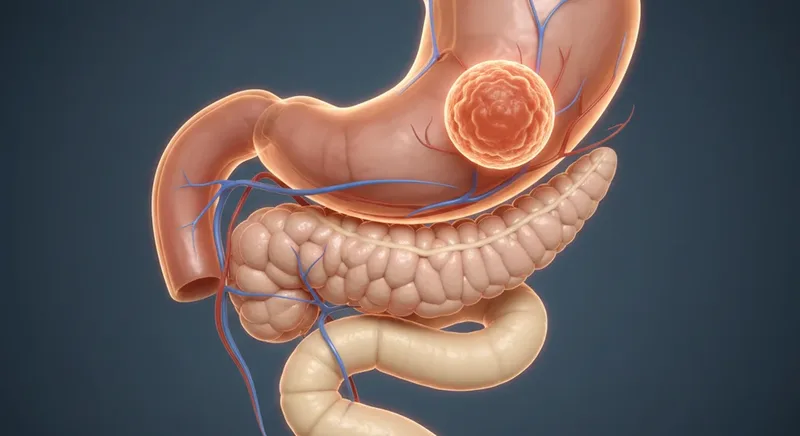
Le cancer du pancréas est une tumeur qui se trouve dans n'importe quelle partie du pancréas. Le cancer commence lorsque les cellules se mettent à se multiplier de manière incontrôlée. L'adénocarcinome pancréatique est le type le plus courant. Le pancréas produit des hormones et des enzymes qui aident à digérer les aliments et, entre autres fonctions, à réguler le taux de sucre dans le sang.
Symptômes
Le cancer du pancréas ne présente souvent aucun symptôme jusqu'à ce qu'il atteigne un stade avancé — il n'y a donc pas de signes précoces fiables. Les symptômes les plus courants d'un cancer établi sont :
- Perte d'appétit
- Perte de poids
- Douleur abdominale ou dorsale
- Caillots sanguins
- Jaunissement des yeux (jaunisse)
- Dépression
À mesure que le cancer se propage, les symptômes deviennent plus prononcés et de nouveaux peuvent apparaître.
L'ai-je hérité ?
Seulement jusqu'à 1 cas de cancer du pancréas sur 10 peut être héréditaire. Les autres 90 % sont acquis — des mutations qui se produisent au cours de la vie, et non des mutations héréditaires. Ces mutations de l'ADN ne sont pas transmises des parents aux enfants.1
Pourquoi l'attrapons-nous ?
Causes que vous pouvez maîtriser :
- Sucre, boissons sucrées et sucreries2
- Tabagisme3
- Alcool4
- Pesticides5
- Excès de poids3
- Produits chimiques environnementaux6
- Cadmium7
Stades
Une fois le cancer du pancréas diagnostiqué, des examens complémentaires permettent d’évaluer l’étendue de sa propagation. En fonction des résultats, l’oncologue attribue un stade :
- Stade 1 : le cancer est limité au pancréas.
- Stade 2 : propagation aux tissus ou aux ganglions lymphatiques voisins.
- Stade 3 : propagation aux principaux vaisseaux sanguins et aux ganglions lymphatiques.
- Stade 4 : propagation à d’autres organes, comme le foie.
L’espérance de vie avec un cancer du pancréas dépend fortement de sa propagation, du traitement choisi et de l’état du patient.
Traitement
Le traitement et la survie dépendent du stade. L’objectif est de détruire les cellules cancéreuses et d’empêcher la maladie de se propager. Les complications les plus fréquentes pendant le traitement sont la perte de poids, la constipation, les douleurs abdominales et l’insuffisance hépatique.
Chirurgie : le stade et la localisation déterminent si une intervention chirurgicale est pratiquée. La chirurgie peut retirer la tumeur primaire, mais elle ne retirera pas le cancer qui s’est propagé ailleurs — elle peut donc ne pas convenir aux personnes atteintes d’un cancer du pancréas à un stade avancé. Radiothérapie : lorsque le cancer s’est propagé au-delà du pancréas, la radiothérapie peut être prescrite, utilisant des rayons X et d’autres rayonnements pour détruire les cellules cancéreuses. Chimiothérapie : dans certains cas, l’oncologue peut associer la chimiothérapie à d’autres traitements.
Que puis-je faire d’autre dans la lutte contre le cancer du pancréas ?
Si vous voulez aider votre corps à guérir, réduire l’inflammation, équilibrer votre alimentation et renforcer la capacité du système immunitaire à reconnaître et à détruire les cellules altérées, il ne suffira pas de vous fier uniquement à la chimiothérapie, à la chirurgie ou à la radiothérapie (bien qu’il ne faille pas les éviter — avec la prévention, vous êtes déjà en retard). Vous vous aiderez considérablement en faisant ce qui suit :
- Les compléments de Lentinan sont utilisés à tous les stades du traitement du cancer. Le Lentinan améliore l’efficacité du traitement conventionnel, réduit les effets secondaires et améliore la qualité de vie. Il s’agit de composés actifs extraits de champignons médicinaux, largement utilisés en Orient (Japon), car ce sont de puissants immunomodulateurs qui incitent le système immunitaire à détecter et à détruire les cellules cancéreuses. La durée de cure recommandée la plus courte est de 3 mois — plus la prise est longue, meilleurs sont les résultats.
- Exercices de respiration — renseignez-vous sur la méthode Wim Hof.
- Faire de l’exercice (ne le sous-estimez pas !).
- Et n’oubliez pas de vous informer sur ce qu’il faut manger après une chimiothérapie.
Le cancer du pancréas est difficile à détecter à un stade précoce. Les polysaccharides de champignons concentrés sont étudiés pour leur rôle dans le soutien de l’activité des cellules NK et des macrophages parallèlement au traitement conventionnel.
Lentinan AXT par Zenius Labs™ →Foire aux questions
Le cancer du pancréas ne provoque souvent aucun symptôme avant un stade avancé, il n’y a donc pas de signes précoces fiables. Les symptômes courants d’une maladie établie comprennent la perte d’appétit, la perte de poids, les douleurs abdominales ou dorsales, les caillots sanguins, la jaunisse (jaunissement des yeux) et la dépression.
Seulement jusqu’à 1 cas sur 10 peut être héréditaire. Les 90 % restants sont acquis — des mutations de l’ADN qui se produisent au cours de la vie et ne sont pas transmises des parents aux enfants.
Oui. La chimiothérapie et la radiothérapie affaiblissent le système immunitaire. Les extraits concentrés de polysaccharides de champignons sont étudiés pour leur rôle dans l’activation des cellules tueuses naturelles et des macrophages. Il est important de choisir une formule multi-extraits concentrée comme Lentinan AXT par Zenius Labs™ plutôt que de simples poudres.
Les facteurs que vous pouvez maîtriser comprennent le sucre et les boissons sucrées, le tabagisme, l’alcool, l’excès de poids, les pesticides, les produits chimiques environnementaux et le cadmium. La génétique ne représente qu’environ 10 % des cas.
- Heavy Drinking Linked to Pancreatic Cancer. WebMD
- Environment and Health Research Newsletter. European Commission
- Common Chemicals Linked to Pancreatic Cancer. WebMD
- Risk of pancreatic cancer and occupational exposures in Spain. Cancer Epidemiology
- Capula M et al. Role of drug catabolism, modulation of oncogenic signaling and tumor microenvironment in microbe-mediated pancreatic cancer chemoresistance. Drug resistance updates : reviews and commentaries in antimicrobial and anticancer chemotherapy. 2022. PubMed
- Kim G nab-Paclitaxel for the treatment of pancreatic cancer. Cancer management and research. 2017. PubMed
- Zhang Y et al. Immune Therapy in Pancreatic Cancer: Now and the Future?. Reviews on recent clinical trials. 2015. PubMed
- Das S et al. Harnessing the Immune System in Pancreatic Cancer. Current treatment options in oncology. 2018. PubMed
- Carpenter ES et al. Targeting the Microenvironment to Overcome Gemcitabine Resistance in Pancreatic Cancer. Cancer research. 2020. PubMed
- Tang M et al. Can intracellular drug delivery using hyaluronic acid functionalised pH-sensitive liposomes overcome gemcitabine resistance in pancreatic cancer?. Journal of controlled release : official journal of the Controlled Release Society. 2019. PubMed
- Zheng R et al. Saikosaponin D overcomes gemcitabine resistance in pancreatic cancer via AKT/mTOR pathway inhibition and synergistic induction of apoptosis and autophagy. Oncology reports. 2026. PubMed
- Jiang S et al. Macrophage-organoid co-culture model for identifying treatment strategies against macrophage-related gemcitabine resistance. Journal of experimental & clinical cancer research : CR. 2023. PubMed
- Goetze TO et al. Adjuvant Gemcitabine Versus Neoadjuvant/Adjuvant FOLFIRINOX in Resectable Pancreatic Cancer: The Randomized Multicenter Phase II NEPAFOX Trial. Annals of surgical oncology. 2024. PubMed
- Byrne JD et al. Impact of formulation on the iontophoretic delivery of the FOLFIRINOX regimen for the treatment of pancreatic cancer. Cancer chemotherapy and pharmacology. 2018. PubMed
- Nywening TM et al. Targeting tumour-associated macrophages with CCR2 inhibition in combination with FOLFIRINOX in patients with borderline resectable and locally advanced pancreatic cancer: a single-centre, open-label, dose-finding, non-randomised, phase 1b trial. The Lancet. Oncology. 2016. PubMed
- Tran NH et al. Phase 2 Trial of Neoadjuvant FOLFIRINOX and Intensity Modulated Radiation Therapy Concurrent With Fixed-Dose Rate-Gemcitabine in Patients With Borderline Resectable Pancreatic Cancer. International journal of radiation oncology, biology, physics. 2020. PubMed
- Lee JH et al. Lithium Chloride Protects against Sepsis-Induced Skeletal Muscle Atrophy and Cancer Cachexia. Cells. 2021. PubMed
- Zhang Y et al. Sophocarpine and matrine inhibit the production of TNF-alpha and IL-6 in murine macrophages and prevent cachexia-related symptoms induced by colon26 adenocarcinoma in mice. International immunopharmacology. 2008. PubMed
- Yu X et al. Astaxanthin Ameliorates Skeletal Muscle Atrophy in Mice With Cancer Cachexia. Nutrition and cancer. 2024. PubMed
- Bossi P et al. The Spectrum of Malnutrition/Cachexia/Sarcopenia in Oncology According to Different Cancer Types and Settings: A Narrative Review. Nutrients. 2021. PubMed
- Luo L et al. Reprogramming the pancreatic cancer stroma and immune landscape by a silicasome nanocarrier delivering nintedanib, a protein tyrosine kinase inhibitor. Nano today. 2024. PubMed
- Mortezaee K Enriched cancer stem cells, dense stroma, and cold immunity: Interrelated events in pancreatic cancer. Journal of biochemical and molecular toxicology. 2021. PubMed
- Liu X et al. Stromal reprogramming overcomes resistance to RAS-MAPK inhibition to improve pancreas cancer responses to cytotoxic and immune therapy. Science translational medicine. 2024. PubMed
- Datta J et al. Combined MEK and STAT3 Inhibition Uncovers Stromal Plasticity by Enriching for Cancer-Associated Fibroblasts With Mesenchymal Stem Cell-Like Features to Overcome Immunotherapy Resistance in Pancreatic Cancer. Gastroenterology. 2022. PubMed
- Lin HJ et al. Polarization of Cancer-Associated Macrophages Maneuver Neoplastic Attributes of Pancreatic Ductal Adenocarcinoma. Cancers. 2023. PubMed
- Chandrakesan P et al. DCLK1-Isoform2 Alternative Splice Variant Promotes Pancreatic Tumor Immunosuppressive M2-Macrophage Polarization. Molecular cancer therapeutics. 2020. PubMed
- Liu Y et al. CTCF enhances pancreatic cancer progression via FLG-AS1-dependent epigenetic regulation and macrophage polarization. Cell death and differentiation. 2025. PubMed
- Zhou J et al. A novel role of TGFBI in macrophage polarization and macrophage-induced pancreatic cancer growth and therapeutic resistance. Cancer letters. 2023. PubMed
- Deng Y et al. Glucocorticoid receptor regulates PD-L1 and MHC-I in pancreatic cancer cells to promote immune evasion and immunotherapy resistance. Nature communications. 2021. PubMed
- Zhou W et al. Pancreatic cancer-targeting exosomes for enhancing immunotherapy and reprogramming tumor microenvironment. Biomaterials. 2021. PubMed
- Mukherji R et al. The Role of Immunotherapy in Pancreatic Cancer. Current oncology (Toronto, Ont.). 2022. PubMed
- Feng M et al. PD-1/PD-L1 and immunotherapy for pancreatic cancer. Cancer letters. 2017. PubMed
- Jolly G et al. Cholecystokinin Receptor Antagonist Induces Pancreatic Stellate Cell Plasticity Rendering the Tumor Microenvironment Less Oncogenic. Cancers. 2023. PubMed
- Bangolo AI et al. Impact of gut microbiome in the development and treatment of pancreatic cancer: Newer insights. World journal of gastroenterology. 2023. PubMed
- Halle-Smith JM et al. Pancreatic Exocrine Insufficiency and the Gut Microbiome in Pancreatic Cancer: A Target for Future Diagnostic Tests and Therapies?. Cancers. 2023. PubMed
- Li P et al. Current status and prospect of gut and oral microbiome in pancreatic cancer: Clinical and translational perspectives. Cancer letters. 2024. PubMed
- Park JS et al. Astaxanthin decreased oxidative stress and inflammation and enhanced immune response in humans. Nutrition & metabolism. 2010. PubMed
- Cheng J et al. The Promising Effects of Astaxanthin on Lung Diseases. Advances in nutrition (Bethesda, Md.). 2021. PubMed
- Lee J et al. Anti-Oxidant and Anti-Inflammatory Effects of Astaxanthin on Gastrointestinal Diseases. International journal of molecular sciences. 2022. PubMed
- Wang T et al. Astaxanthin protected against the adverse effects induced by diesel exhaust particulate matter via improving membrane stability and anti-oxidative property. Journal of hazardous materials. 2023. PubMed
- Lu H et al. TLR2 agonist PSK activates human NK cells and enhances the antitumor effect of HER2-targeted monoclonal antibody therapy. Clinical cancer research : an official journal of the American Association for Cancer Research. 2011. PubMed
- Ooshiro M et al. [Ten cases of advanced gastro-intestinal cancer that required preoperative dosage of PSK]. Gan to kagaku ryoho. Cancer & chemotherapy. 2009. PubMed
- Maehara Y et al. Postoperative PSK and OK-432 immunochemotherapy for patients with gastric cancer. Cancer chemotherapy and pharmacology. 1993. PubMed
- Ito G et al. Correlation between efficacy of PSK postoperative adjuvant immunochemotherapy for gastric cancer and expression of MHC class I. Experimental and therapeutic medicine. 2012. PubMed
- Sun M et al. Lentinan reduces tumor progression by enhancing gemcitabine chemotherapy in urothelial bladder cancer. Surgical oncology. 2015. PubMed
- Zhang P et al. A carbon nanotube-gemcitabine-lentinan three-component composite for chemo-photothermal synergistic therapy of cancer. International journal of nanomedicine. 2018. PubMed
- Shimizu K et al. Efficacy of oral administered superfine dispersed lentinan for advanced pancreatic cancer. Hepato-gastroenterology. 2009. PubMed
- Wang Y et al. Systematic review and meta-analysis on the efficacy and safety of Injectable Lentinan combined with chemotherapy in the treatment of gastric cancer. Phytomedicine : international journal of phytotherapy and phytopharmacology. 2024. PubMed
- Geller AE et al. The induction of peripheral trained immunity in the pancreas incites anti-tumor activity to control pancreatic cancer progression. Nature communications. 2022. PubMed
- Fang J et al. Structure of a β-glucan from Grifola frondosa and its antitumor effect by activating Dectin-1/Syk/NF-κB signaling. Glycoconjugate journal. 2012. PubMed
- Zhang M et al. β-Glucan from Saccharomyces cerevisiae induces SBD-1 production in ovine ruminal epithelial cells via the Dectin-1-Syk-NF-κB signaling pathway. Cellular signalling. 2019. PubMed
- Gringhuis SI et al. Dectin-1 directs T helper cell differentiation by controlling noncanonical NF-kappaB activation through Raf-1 and Syk. Nature immunology. 2009. PubMed
- Wang H et al. Efficacy of biological response modifier lentinan with chemotherapy for advanced cancer: a meta-analysis. Cancer medicine. 2017. PubMed
- Oba K et al. Efficacy of adjuvant immunochemotherapy with polysaccharide K for patients with curative resections of gastric cancer. Cancer immunology, immunotherapy : CII. 2007. PubMed
- Cheng SC et al. mTOR- and HIF-1α-mediated aerobic glycolysis as metabolic basis for trained immunity. Science (New York, N.Y.). 2014. PubMed
- Kidd P Astaxanthin, cell membrane nutrient with diverse clinical benefits and anti-aging potential. Alternative medicine review : a journal of clinical therapeutic. 2011. PubMed