Cos'è il tumore del pancreas?
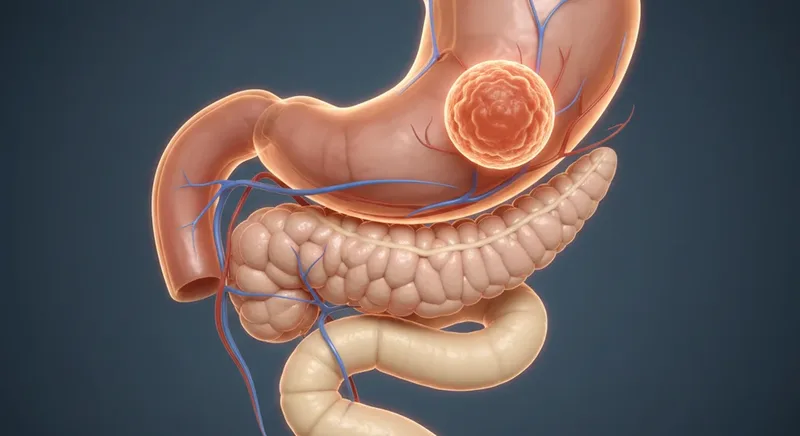
Il tumore del pancreas è una massa tumorale che si trova in una qualsiasi parte del pancreas. Il tumore ha inizio quando le cellule iniziano a moltiplicarsi in modo incontrollato. L'adenocarcinoma pancreatico è il tipo più comune. Il pancreas produce ormoni ed enzimi che aiutano a digerire il cibo e, tra le altre funzioni, a regolare i livelli di zucchero nel sangue.
Sintomi
Il tumore del pancreas spesso non mostra sintomi fino a quando non raggiunge uno stadio avanzato — quindi non ci sono segni precoci affidabili. I sintomi più comuni del tumore conclamato sono:
- Perdita di appetito
- Perdita di peso
- Dolore addominale o alla schiena
- Coaguli di sangue
- Ingiallimento degli occhi (ittero)
- Depressione
Man mano che il tumore si diffonde, i sintomi diventano più pronunciati e possono comparirne di nuovi.
L'ho ereditato?
Solo fino a 1 caso su 10 di tumore del pancreas può essere ereditario. L'altro 90% è acquisito — si tratta di mutazioni che avvengono nel corso della vita, non ereditate. Queste mutazioni del DNA non vengono trasmesse dai genitori ai figli.1
Perché ci ammaliamo?
Cause sotto il tuo controllo:
- Zucchero, bevande zuccherate e dolci2
- Fumo3
- Alcol4
- Pesticidi5
- Peso in eccesso3
- Sostanze chimiche ambientali6
- Cadmio7
Stadi
Una volta diagnosticato il cancro al pancreas, ulteriori esami valutano il grado di diffusione della malattia. In base ai risultati, l'oncologo assegna uno stadio:
- Stadio 1: il cancro è confinato al pancreas.
- Stadio 2: diffusione ai tessuti o ai linfonodi vicini.
- Stadio 3: diffusione ai principali vasi sanguigni e linfonodi.
- Stadio 4: diffusione ad altri organi, come il fegato.
L'aspettativa di vita con il cancro al pancreas dipende in larga misura dalla diffusione della malattia, dal trattamento scelto e dalle condizioni del paziente.
Trattamento
Il trattamento e la sopravvivenza dipendono dallo stadio. L'obiettivo è distruggere le cellule tumorali e impedire la diffusione della malattia. Le complicanze più comuni durante il trattamento sono perdita di peso, stitichezza, dolore addominale e insufficienza epatica.
Chirurgia: lo stadio e la localizzazione determinano se l'intervento chirurgico viene eseguito. La chirurgia può rimuovere il tumore primario, ma non il cancro che si è diffuso altrove — quindi potrebbe non essere adatta per le persone con cancro al pancreas in stadio avanzato. Radioterapia: quando il cancro si è diffuso oltre il pancreas, può essere prescritta la radioterapia, che utilizza raggi X e altre radiazioni per distruggere le cellule tumorali. Chemioterapia: in alcuni casi l'oncologo può combinare la chemioterapia con altri trattamenti.
Cos'altro posso fare nella lotta contro il cancro al pancreas?
Se vuoi aiutare il tuo corpo a guarire, ridurre l'infiammazione, equilibrare la dieta e rafforzare la capacità del sistema immunitario di riconoscere e distruggere le cellule alterate, affidarsi esclusivamente a chemioterapia, chirurgia o radioterapia non sarà sufficiente (anche se non bisogna evitarle — con la prevenzione sei già in ritardo). Ti aiuterai notevolmente facendo quanto segue:
- Gli integratori di Lentinan sono utilizzati in tutte le fasi del trattamento del cancro. Il Lentinan migliora l'efficacia del trattamento convenzionale, riduce gli effetti collaterali e migliora la qualità della vita. Si tratta di composti attivi estratti da funghi medicinali, ampiamente utilizzati in Oriente (Giappone), perché sono potenti immunomodulatori che spingono il sistema immunitario a individuare e distruggere le cellule tumorali. Il ciclo più breve raccomandato è di 3 mesi — più a lungo viene assunto, migliori saranno i risultati.
- Esercizi di respirazione — informati sul metodo Wim Hof.
- Esercizio fisico (non sottovalutarlo!).
- E assicurati di leggere cosa mangiare dopo la chemioterapia.
Il cancro al pancreas è difficile da diagnosticare precocemente. I polisaccaridi concentrati di funghi sono studiati per il loro ruolo nel supportare l'attività delle cellule NK e dei macrofagi in concomitanza con il trattamento convenzionale.
Lentinan AXT di Zenius Labs™ →Domande frequenti
Il cancro al pancreas spesso non causa sintomi fino a uno stadio avanzato, quindi non ci sono segni precoci affidabili. I sintomi comuni della malattia conclamata includono perdita di appetito, perdita di peso, dolore addominale o alla schiena, coaguli di sangue, ittero (ingiallimento degli occhi) e depressione.
Solo fino a 1 caso su 10 può essere ereditato. L'altro 90% è acquisito — mutazioni del DNA che si verificano durante la vita e non vengono trasmesse dai genitori ai figli.
Sì. La chemioterapia e la radioterapia sopprimono il sistema immunitario. Gli estratti concentrati di polisaccaridi di funghi sono studiati per il loro ruolo nel contribuire ad attivare le cellule natural killer e i macrofagi. È importante scegliere una formula multi-estratto concentrata come Lentinan AXT di Zenius Labs™ piuttosto che semplici polveri.
I fattori sotto il tuo controllo includono zucchero e bevande zuccherate, fumo, alcol, peso in eccesso, pesticidi, sostanze chimiche ambientali e cadmio. La genetica rappresenta solo circa il 10% dei casi.
- Heavy Drinking Linked to Pancreatic Cancer. WebMD
- Environment and Health Research Newsletter. European Commission
- Common Chemicals Linked to Pancreatic Cancer. WebMD
- Risk of pancreatic cancer and occupational exposures in Spain. Cancer Epidemiology
- Capula M et al. Role of drug catabolism, modulation of oncogenic signaling and tumor microenvironment in microbe-mediated pancreatic cancer chemoresistance. Drug resistance updates : reviews and commentaries in antimicrobial and anticancer chemotherapy. 2022. PubMed
- Kim G nab-Paclitaxel for the treatment of pancreatic cancer. Cancer management and research. 2017. PubMed
- Zhang Y et al. Immune Therapy in Pancreatic Cancer: Now and the Future?. Reviews on recent clinical trials. 2015. PubMed
- Das S et al. Harnessing the Immune System in Pancreatic Cancer. Current treatment options in oncology. 2018. PubMed
- Carpenter ES et al. Targeting the Microenvironment to Overcome Gemcitabine Resistance in Pancreatic Cancer. Cancer research. 2020. PubMed
- Tang M et al. Can intracellular drug delivery using hyaluronic acid functionalised pH-sensitive liposomes overcome gemcitabine resistance in pancreatic cancer?. Journal of controlled release : official journal of the Controlled Release Society. 2019. PubMed
- Zheng R et al. Saikosaponin D overcomes gemcitabine resistance in pancreatic cancer via AKT/mTOR pathway inhibition and synergistic induction of apoptosis and autophagy. Oncology reports. 2026. PubMed
- Jiang S et al. Macrophage-organoid co-culture model for identifying treatment strategies against macrophage-related gemcitabine resistance. Journal of experimental & clinical cancer research : CR. 2023. PubMed
- Goetze TO et al. Adjuvant Gemcitabine Versus Neoadjuvant/Adjuvant FOLFIRINOX in Resectable Pancreatic Cancer: The Randomized Multicenter Phase II NEPAFOX Trial. Annals of surgical oncology. 2024. PubMed
- Byrne JD et al. Impact of formulation on the iontophoretic delivery of the FOLFIRINOX regimen for the treatment of pancreatic cancer. Cancer chemotherapy and pharmacology. 2018. PubMed
- Nywening TM et al. Targeting tumour-associated macrophages with CCR2 inhibition in combination with FOLFIRINOX in patients with borderline resectable and locally advanced pancreatic cancer: a single-centre, open-label, dose-finding, non-randomised, phase 1b trial. The Lancet. Oncology. 2016. PubMed
- Tran NH et al. Phase 2 Trial of Neoadjuvant FOLFIRINOX and Intensity Modulated Radiation Therapy Concurrent With Fixed-Dose Rate-Gemcitabine in Patients With Borderline Resectable Pancreatic Cancer. International journal of radiation oncology, biology, physics. 2020. PubMed
- Lee JH et al. Lithium Chloride Protects against Sepsis-Induced Skeletal Muscle Atrophy and Cancer Cachexia. Cells. 2021. PubMed
- Zhang Y et al. Sophocarpine and matrine inhibit the production of TNF-alpha and IL-6 in murine macrophages and prevent cachexia-related symptoms induced by colon26 adenocarcinoma in mice. International immunopharmacology. 2008. PubMed
- Yu X et al. Astaxanthin Ameliorates Skeletal Muscle Atrophy in Mice With Cancer Cachexia. Nutrition and cancer. 2024. PubMed
- Bossi P et al. The Spectrum of Malnutrition/Cachexia/Sarcopenia in Oncology According to Different Cancer Types and Settings: A Narrative Review. Nutrients. 2021. PubMed
- Luo L et al. Reprogramming the pancreatic cancer stroma and immune landscape by a silicasome nanocarrier delivering nintedanib, a protein tyrosine kinase inhibitor. Nano today. 2024. PubMed
- Mortezaee K Enriched cancer stem cells, dense stroma, and cold immunity: Interrelated events in pancreatic cancer. Journal of biochemical and molecular toxicology. 2021. PubMed
- Liu X et al. Stromal reprogramming overcomes resistance to RAS-MAPK inhibition to improve pancreas cancer responses to cytotoxic and immune therapy. Science translational medicine. 2024. PubMed
- Datta J et al. Combined MEK and STAT3 Inhibition Uncovers Stromal Plasticity by Enriching for Cancer-Associated Fibroblasts With Mesenchymal Stem Cell-Like Features to Overcome Immunotherapy Resistance in Pancreatic Cancer. Gastroenterology. 2022. PubMed
- Lin HJ et al. Polarization of Cancer-Associated Macrophages Maneuver Neoplastic Attributes of Pancreatic Ductal Adenocarcinoma. Cancers. 2023. PubMed
- Chandrakesan P et al. DCLK1-Isoform2 Alternative Splice Variant Promotes Pancreatic Tumor Immunosuppressive M2-Macrophage Polarization. Molecular cancer therapeutics. 2020. PubMed
- Liu Y et al. CTCF enhances pancreatic cancer progression via FLG-AS1-dependent epigenetic regulation and macrophage polarization. Cell death and differentiation. 2025. PubMed
- Zhou J et al. A novel role of TGFBI in macrophage polarization and macrophage-induced pancreatic cancer growth and therapeutic resistance. Cancer letters. 2023. PubMed
- Deng Y et al. Glucocorticoid receptor regulates PD-L1 and MHC-I in pancreatic cancer cells to promote immune evasion and immunotherapy resistance. Nature communications. 2021. PubMed
- Zhou W et al. Pancreatic cancer-targeting exosomes for enhancing immunotherapy and reprogramming tumor microenvironment. Biomaterials. 2021. PubMed
- Mukherji R et al. The Role of Immunotherapy in Pancreatic Cancer. Current oncology (Toronto, Ont.). 2022. PubMed
- Feng M et al. PD-1/PD-L1 and immunotherapy for pancreatic cancer. Cancer letters. 2017. PubMed
- Jolly G et al. Cholecystokinin Receptor Antagonist Induces Pancreatic Stellate Cell Plasticity Rendering the Tumor Microenvironment Less Oncogenic. Cancers. 2023. PubMed
- Bangolo AI et al. Impact of gut microbiome in the development and treatment of pancreatic cancer: Newer insights. World journal of gastroenterology. 2023. PubMed
- Halle-Smith JM et al. Pancreatic Exocrine Insufficiency and the Gut Microbiome in Pancreatic Cancer: A Target for Future Diagnostic Tests and Therapies?. Cancers. 2023. PubMed
- Li P et al. Current status and prospect of gut and oral microbiome in pancreatic cancer: Clinical and translational perspectives. Cancer letters. 2024. PubMed
- Park JS et al. Astaxanthin decreased oxidative stress and inflammation and enhanced immune response in humans. Nutrition & metabolism. 2010. PubMed
- Cheng J et al. The Promising Effects of Astaxanthin on Lung Diseases. Advances in nutrition (Bethesda, Md.). 2021. PubMed
- Lee J et al. Anti-Oxidant and Anti-Inflammatory Effects of Astaxanthin on Gastrointestinal Diseases. International journal of molecular sciences. 2022. PubMed
- Wang T et al. Astaxanthin protected against the adverse effects induced by diesel exhaust particulate matter via improving membrane stability and anti-oxidative property. Journal of hazardous materials. 2023. PubMed
- Lu H et al. TLR2 agonist PSK activates human NK cells and enhances the antitumor effect of HER2-targeted monoclonal antibody therapy. Clinical cancer research : an official journal of the American Association for Cancer Research. 2011. PubMed
- Ooshiro M et al. [Ten cases of advanced gastro-intestinal cancer that required preoperative dosage of PSK]. Gan to kagaku ryoho. Cancer & chemotherapy. 2009. PubMed
- Maehara Y et al. Postoperative PSK and OK-432 immunochemotherapy for patients with gastric cancer. Cancer chemotherapy and pharmacology. 1993. PubMed
- Ito G et al. Correlation between efficacy of PSK postoperative adjuvant immunochemotherapy for gastric cancer and expression of MHC class I. Experimental and therapeutic medicine. 2012. PubMed
- Sun M et al. Lentinan reduces tumor progression by enhancing gemcitabine chemotherapy in urothelial bladder cancer. Surgical oncology. 2015. PubMed
- Zhang P et al. A carbon nanotube-gemcitabine-lentinan three-component composite for chemo-photothermal synergistic therapy of cancer. International journal of nanomedicine. 2018. PubMed
- Shimizu K et al. Efficacy of oral administered superfine dispersed lentinan for advanced pancreatic cancer. Hepato-gastroenterology. 2009. PubMed
- Wang Y et al. Systematic review and meta-analysis on the efficacy and safety of Injectable Lentinan combined with chemotherapy in the treatment of gastric cancer. Phytomedicine : international journal of phytotherapy and phytopharmacology. 2024. PubMed
- Geller AE et al. The induction of peripheral trained immunity in the pancreas incites anti-tumor activity to control pancreatic cancer progression. Nature communications. 2022. PubMed
- Fang J et al. Structure of a β-glucan from Grifola frondosa and its antitumor effect by activating Dectin-1/Syk/NF-κB signaling. Glycoconjugate journal. 2012. PubMed
- Zhang M et al. β-Glucan from Saccharomyces cerevisiae induces SBD-1 production in ovine ruminal epithelial cells via the Dectin-1-Syk-NF-κB signaling pathway. Cellular signalling. 2019. PubMed
- Gringhuis SI et al. Dectin-1 directs T helper cell differentiation by controlling noncanonical NF-kappaB activation through Raf-1 and Syk. Nature immunology. 2009. PubMed
- Wang H et al. Efficacy of biological response modifier lentinan with chemotherapy for advanced cancer: a meta-analysis. Cancer medicine. 2017. PubMed
- Oba K et al. Efficacy of adjuvant immunochemotherapy with polysaccharide K for patients with curative resections of gastric cancer. Cancer immunology, immunotherapy : CII. 2007. PubMed
- Cheng SC et al. mTOR- and HIF-1α-mediated aerobic glycolysis as metabolic basis for trained immunity. Science (New York, N.Y.). 2014. PubMed
- Kidd P Astaxanthin, cell membrane nutrient with diverse clinical benefits and anti-aging potential. Alternative medicine review : a journal of clinical therapeutic. 2011. PubMed