How breast cancer is treated
Early breast cancer, when the tumor is small, is treated with breast-conserving surgery, usually followed by adjuvant chemotherapy, radiotherapy and — depending on hormone-receptor status — hormonal therapy. When a larger but non-metastatic tumor is diagnosed and breast-conserving surgery looks unlikely to succeed, the patient is operated on after neoadjuvant chemotherapy, given before surgery to shrink the tumor and bring the disease under systemic control. If the tumor responds and shrinks, conserving surgery is performed; if not, a mastectomy. Removal of the axillary lymph nodes is increasingly being replaced by sentinel-node biopsy, to preserve quality of life and avoid arm swelling. Locally advanced tumors are treated with chemotherapy and hormones, with surgery and radiotherapy added according to how the disease responds. Treatment of metastatic cancer is aimed at systemic control and depends on HER-2 expression and the status of the estrogen and progesterone receptors.
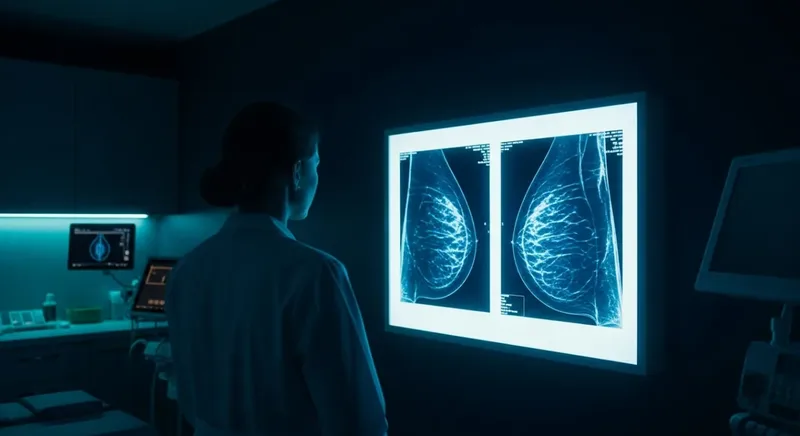
Breast cancer surgery (surgical treatment)
After assessing the disease stage, tumor morphology and multicentricity, either breast-conserving surgery or a mastectomy is performed. Breast-conserving surgery is not done when there is more than one tumor focus in the breast, widespread intraductal carcinoma, skin lymphangiosis, or a tumor larger than 3–4 cm where breast tissue cannot be preserved. During either operation, an axillary lymphadenectomy or a sentinel-node biopsy is carried out.
Breast cancer radiotherapy
Radiotherapy is mandatory after breast-conserving surgery. It may be postponed until the end of adjuvant chemotherapy if a high risk of systemic dissemination is found. Depending on the prognostic factors, the number of affected regional nodes and the tumor’s location, the axillary, supraclavicular/infraclavicular and/or parasternal nodes may be irradiated. After a mastectomy, the extent of radiotherapy depends on how far the tumor has spread locally; beyond the regional nodes, the scar itself is sometimes irradiated to prevent local recurrence. Modern radiotherapy, planned in three dimensions, avoids the complications of older treatment — pneumonitis, heart damage, arm edema, brachial plexopathy. Palliative radiotherapy matters once breast cancer has metastasised, treating metastases in the brain, bones and soft tissues.
Breast cancer chemotherapy
Neoadjuvant — given before surgery to reduce tumor size, enable breast-conserving surgery, and control systemic disease.
Adjuvant — given after surgery, based on prognostic factors, for prevention and control of systemic disease.
Metastatic chemotherapy — when the disease has spread to other organs, to reduce or destroy metastases and prolong the patient's life. If the tumor expresses HER2 receptors, targeted therapy is added.
Hormonal therapy
Tumors sensitive to adjuvant hormone therapy are those in which at least 10% of cells carry steroid-hormone receptors. If the tumor tissue has no estrogen (ER) or progesterone (PR) receptors, hormones will not control the disease. Around 50–60% of breast tumors are ER-positive, 40–50% PR-positive. With positive ER, 60% of patients respond to hormonal therapy; with both ER and PR positive, 75%; with PR alone, 30%. The drugs used are antioestrogens, selective aromatase inhibitors, progestins and LHRH agonists. Where HER2 expression is raised, targeted therapy with trastuzumab or lapatinib is added — trastuzumab, a monoclonal antibody that blocks HER2 from outside the cancer cell; lapatinib, a small-molecule tyrosine-kinase inhibitor that enters the cell and blocks HER2 from within. Lapatinib crosses the blood–brain barrier, lowering the risk of brain metastases and acting on those already present.
Immune support during treatment
Chemotherapy suppresses the immune system, leaving the body vulnerable. Concentrated mushroom-polysaccharide formulas, backed by clinical research, are studied for their role in supporting the immune system during oncological disease.
Chemotherapy suppresses immunity. Concentrated mushroom polysaccharides are studied for activating NK cells and macrophages alongside treatment.
Lentinan AXT by Zenius Labs™ →Frequently Asked Questions
Treatment depends on stage and type. The most common are surgery (lumpectomy or mastectomy), chemotherapy, radiotherapy, hormonal therapy and targeted therapy. The plan is always individualised, usually combining several methods.
Yes, and it is very important. Chemotherapy suppresses the immune system, leaving the body vulnerable. Research shows concentrated mushroom-polysaccharide extracts may help activate NK cells and macrophages. A concentrated multi-extract formula such as Lentinan AXT by Zenius Labs™ is preferable.
Neoadjuvant chemotherapy is given before surgery to shrink the tumor and enable breast-conserving surgery; adjuvant chemotherapy is given after surgery to prevent and control systemic disease, based on prognostic factors.
Hormonal therapy works on tumors where at least 10% of cells carry steroid-hormone receptors. If the tumor lacks estrogen (ER) and progesterone (PR) receptors, hormones will not control the disease, so receptor status is tested first.
- Estrogen deprivation effects of endocrine therapy in breast cancer patients. PubMed
- Pembrolizumab plus chemotherapy for first-line treatment of advanced triple-negative breast cancer. PubMed
- Liu Z et al. Natural killer cell-related prognostic risk model predicts prognosis and treatment outcomes in triple-negative breast cancer. Frontiers in immunology. 2023. PubMed
- Desroys du Roure P et al. A novel Fc-engineered cathepsin D-targeting antibody enhances ADCC, triggers tumor-infiltrating NK cell recruitment, and improves treatment with paclitaxel and enzalutamide in triple-negative breast cancer. Journal for immunotherapy of cancer. 2024. PubMed
- Han E et al. Characterization of tumor-infiltrating lymphocytes and their spatial distribution in triple-negative breast cancer. Breast cancer research : BCR. 2024. PubMed
- Ding S et al. Single-cell atlas reveals a distinct immune profile fostered by T cell-B cell crosstalk in triple negative breast cancer. Cancer communications (London, England). 2023. PubMed
- Lu H et al. TLR2 agonist PSK activates human NK cells and enhances the antitumor effect of HER2-targeted monoclonal antibody therapy. Clinical cancer research : an official journal of the American Association for Cancer Research. 2011. PubMed
- Luo L et al. Single-cell RNA sequencing identifies molecular biomarkers predicting late progression to CDK4/6 inhibition in patients with HR+/HER2- metastatic breast cancer. Molecular cancer. 2025. PubMed
- Zheng G et al. Interaction between HLA-G and NK cell receptor KIR2DL4 orchestrates HER2-positive breast cancer resistance to trastuzumab. Signal transduction and targeted therapy. 2021. PubMed
- Collins DM et al. Effects of HER Family-targeting Tyrosine Kinase Inhibitors on Antibody-dependent Cell-mediated Cytotoxicity in HER2-expressing Breast Cancer. Clinical cancer research : an official journal of the American Association for Cancer Research. 2021. PubMed
- Blackburn AM et al. Tamoxifen and liver damage. British medical journal (Clinical research ed.). 1984. PubMed
- Zhou WB et al. Osthole prevents tamoxifen-induced liver injury in mice. Acta pharmacologica Sinica. 2019. PubMed
- Tabassum H et al. Catechin as an antioxidant in liver mitochondrial toxicity: Inhibition of tamoxifen-induced protein oxidation and lipid peroxidation. Journal of biochemical and molecular toxicology. 2007. PubMed
- Elefsiniotis IS et al. Tamoxifen induced hepatotoxicity in breast cancer patients with pre-existing liver steatosis: the role of glucose intolerance. European journal of gastroenterology & hepatology. 2004. PubMed
- Li Y et al. Comprehensive Analysis of Regulatory Factors and Immune-Associated Patterns to Decipher Common and BRCA1/2 Mutation-Type-Specific Critical Regulation in Breast Cancer. Frontiers in cell and developmental biology. 2021. PubMed
- Hermsen BB et al. Humoral immune responses to MUC1 in women with a BRCA1 or BRCA2 mutation. European journal of cancer (Oxford, England : 1990). 2007. PubMed
- Muñante B et al. Clinical Management in BRCA Carriers with Early Breast Cancer. Cancer control : journal of the Moffitt Cancer Center. 2025. PubMed
- Grandal B et al. Impact of BRCA Mutation Status on Tumor Infiltrating Lymphocytes (TILs), Response to Treatment, and Prognosis in Breast Cancer Patients Treated with Neoadjuvant Chemotherapy. Cancers. 2020. PubMed
- Tani M et al. In vitro generation of activated natural killer cells and cytotoxic macrophages with lentinan. European journal of clinical pharmacology. 1992. PubMed
- Hamano K et al. The preoperative administration of lentinan ameliorated the impairment of natural killer activity after cardiopulmonary bypass. International journal of immunopharmacology. 1999. PubMed
- Mattiola I et al. The macrophage tetraspan MS4A4A enhances dectin-1-dependent NK cell-mediated resistance to metastasis. Nature immunology. 2019. PubMed
- Hermans L et al. β-Glucan-Induced IL-10 Secretion by Monocytes Triggers Porcine NK Cell Cytotoxicity. Frontiers in immunology. 2021. PubMed
- Ooshiro M et al. [Ten cases of advanced gastro-intestinal cancer that required preoperative dosage of PSK]. Gan to kagaku ryoho. Cancer & chemotherapy. 2009. PubMed
- Maehara Y et al. Postoperative PSK and OK-432 immunochemotherapy for patients with gastric cancer. Cancer chemotherapy and pharmacology. 1993. PubMed
- Ito G et al. Correlation between efficacy of PSK postoperative adjuvant immunochemotherapy for gastric cancer and expression of MHC class I. Experimental and therapeutic medicine. 2012. PubMed
- Yoshinaga K et al. Prognostic markers for immunochemotherapy using tegafur -uracil (UFT) and protein-bound polysaccharide K (PSK). Fukuoka igaku zasshi = Hukuoka acta medica. 2013. PubMed
- Park JS et al. Astaxanthin decreased oxidative stress and inflammation and enhanced immune response in humans. Nutrition & metabolism. 2010. PubMed
- Genç Y et al. Oxidative Stress and Marine Carotenoids: Application by Using Nanoformulations. Marine drugs. 2020. PubMed
- Ávila-Román J et al. Anti-Inflammatory and Anticancer Effects of Microalgal Carotenoids. Marine drugs. 2021. PubMed
- Cheng J et al. The Promising Effects of Astaxanthin on Lung Diseases. Advances in nutrition (Bethesda, Md.). 2021. PubMed
- Fang J et al. Structure of a β-glucan from Grifola frondosa and its antitumor effect by activating Dectin-1/Syk/NF-κB signaling. Glycoconjugate journal. 2012. PubMed
- Zhang M et al. β-Glucan from Saccharomyces cerevisiae induces SBD-1 production in ovine ruminal epithelial cells via the Dectin-1-Syk-NF-κB signaling pathway. Cellular signalling. 2019. PubMed
- Gringhuis SI et al. Dectin-1 directs T helper cell differentiation by controlling noncanonical NF-kappaB activation through Raf-1 and Syk. Nature immunology. 2009. PubMed
- Jia XM et al. CARD9 mediates Dectin-1-induced ERK activation by linking Ras-GRF1 to H-Ras for antifungal immunity. The Journal of experimental medicine. 2014. PubMed
- Wang Y et al. Systematic review and meta-analysis on the efficacy and safety of Injectable Lentinan combined with chemotherapy in the treatment of gastric cancer. Phytomedicine : international journal of phytotherapy and phytopharmacology. 2024. PubMed
- Oba K et al. Individual patient based meta-analysis of lentinan for unresectable/recurrent gastric cancer. Anticancer research. 2009. PubMed
- Wang Y et al. Investigation on the efficiency of lentinan for injection combining cisplatin on treating malignant pleural effusion based on systematic review and meta-analysis. Medicine. 2024. PubMed
- Zhang M et al. Mushroom polysaccharide lentinan for treating different types of cancers: A review of 12 years clinical studies in China. Progress in molecular biology and translational science. 2019. PubMed
- Larnder AH et al. The estrobolome: Estrogen-metabolizing pathways of the gut microbiome and their relation to breast cancer. International journal of cancer. 2025. PubMed
- Kwa M et al. The Intestinal Microbiome and Estrogen Receptor-Positive Female Breast Cancer. Journal of the National Cancer Institute. 2016. PubMed
- Huang Y et al. Intratumoral Microbiome-related MRI Model for Predicting Breast Cancer Shrinkage Pattern Following Neoadjuvant Therapy. Radiology. 2025. PubMed
- Zetner D et al. Effect of melatonin cream on acute radiation dermatitis in patients with primary breast cancer: A double-blind, randomized, placebo-controlled trial. Journal of pineal research. 2023. PubMed
- Zetner D et al. Quality-of-life outcomes following topical melatonin application against acute radiation dermatitis in patients with early breast cancer: A double-blind, randomized, placebo-controlled trial. Journal of pineal research. 2023. PubMed
- Wang H et al. Efficacy of biological response modifier lentinan with chemotherapy for advanced cancer: a meta-analysis. Cancer medicine. 2017. PubMed
- Oba K et al. Efficacy of adjuvant immunochemotherapy with polysaccharide K for patients with curative resections of gastric cancer. Cancer immunology, immunotherapy : CII. 2007. PubMed
- Cheng SC et al. mTOR- and HIF-1α-mediated aerobic glycolysis as metabolic basis for trained immunity. Science (New York, N.Y.). 2014. PubMed
- Kidd P Astaxanthin, cell membrane nutrient with diverse clinical benefits and anti-aging potential. Alternative medicine review : a journal of clinical therapeutic. 2011. PubMed