Cómo se trata el cáncer de mama
El cáncer de mama en estadio temprano, cuando el tumor es pequeño, se trata con cirugía conservadora de la mama, generalmente seguida de quimioterapia adyuvante, radioterapia y —dependiendo del estado de los receptores hormonales— terapia hormonal. Cuando se diagnostica un tumor más grande pero no metastásico y parece poco probable que la cirugía conservadora de la mama tenga éxito, se opera a la paciente después de la quimioterapia neoadyuvante, administrada antes de la cirugía para reducir el tamaño del tumor y poner la enfermedad bajo control sistémico. Si el tumor responde y se reduce, se realiza una cirugía conservadora; si no, una mastectomía. La extirpación de los ganglios linfáticos axilares se está sustituyendo cada vez más por la biopsia del ganglio centinela, para preservar la calidad de vida y evitar la hinchazón del brazo. Los tumores localmente avanzados se tratan con quimioterapia y hormonas, añadiendo cirugía y radioterapia según la respuesta de la enfermedad. El tratamiento del cáncer metastásico tiene como objetivo el control sistémico y depende de la expresión de HER-2 y del estado de los receptores de estrógeno y progesterona.
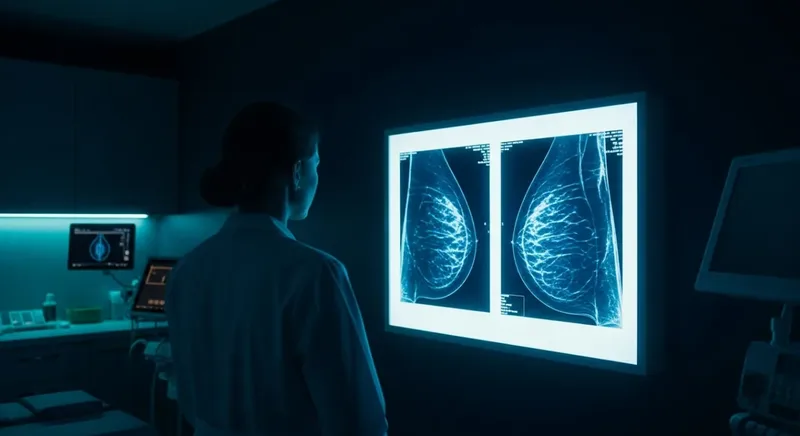
Cirugía del cáncer de mama (tratamiento quirúrgico)
Tras evaluar el estadio de la enfermedad, la morfología del tumor y la multicentricidad, se realiza una cirugía conservadora de la mama o una mastectomía. La cirugía conservadora de la mama no se realiza cuando hay más de un foco tumoral en la mama, un carcinoma intraductal extendido, linfangiosis cutánea o un tumor de más de 3-4 cm en el que no se puede preservar el tejido mamario. Durante cualquiera de las dos operaciones, se lleva a cabo una linfadenectomía axilar o una biopsia del ganglio centinela.
Radioterapia para el cáncer de mama
La radioterapia es obligatoria después de la cirugía conservadora de la mama. Puede posponerse hasta el final de la quimioterapia adyuvante si se detecta un alto riesgo de diseminación sistémica. Dependiendo de los factores pronósticos, el número de ganglios regionales afectados y la localización del tumor, se pueden irradiar los ganglios axilares, supraclaviculares/infraclaviculares y/o paraesternales. Después de una mastectomía, el alcance de la radioterapia depende de cuánto se haya extendido localmente el tumor; además de los ganglios regionales, a veces se irradia la propia cicatriz para prevenir la recurrencia local. La radioterapia moderna, planificada en tres dimensiones, evita las complicaciones de los tratamientos más antiguos — neumonitis, daño cardíaco, edema del brazo, plexopatía braquial. La radioterapia paliativa es importante una vez que el cáncer de mama ha hecho metástasis, para tratar las metástasis en el cerebro, los huesos y los tejidos blandos.
Quimioterapia para el cáncer de mama
Neoadyuvante — se administra antes de la cirugía para reducir el tamaño del tumor, permitir la cirugía conservadora de la mama y controlar la enfermedad sistémica.
Adyuvante — se administra después de la cirugía, basándose en factores pronósticos, para la prevención y el control de la enfermedad sistémica.
Quimioterapia metastásica — cuando la enfermedad se ha extendido a otros órganos, para reducir o destruir las metástasis y prolongar la vida de la paciente. Si el tumor expresa receptores HER2, se añade terapia dirigida.
Terapia hormonal
Los tumores sensibles a la terapia hormonal adyuvante son aquellos en los que al menos el 10% de las células portan receptores de hormonas esteroideas. Si el tejido tumoral no tiene receptores de estrógeno (RE) o progesterona (RP), las hormonas no controlarán la enfermedad. Alrededor del 50-60% de los tumores de mama son RE-positivos, y el 40-50% son RP-positivos. Con RE positivo, el 60% de las pacientes responden a la terapia hormonal; con RE y RP positivos, el 75%; solo con RP, el 30%. Los fármacos utilizados son antiestrógenos, inhibidores selectivos de la aromatasa, progestinas y agonistas de la LHRH. Cuando la expresión de HER2 está elevada, se añade terapia dirigida con trastuzumab o lapatinib — trastuzumab, un anticuerpo monoclonal que bloquea el HER2 desde el exterior de la célula cancerosa; lapatinib, un inhibidor de la tirosina-quinasa de molécula pequeña que entra en la célula y bloquea el HER2 desde dentro. El lapatinib atraviesa la barrera hematoencefálica, lo que reduce el riesgo de metástasis cerebrales y actúa sobre las ya presentes.
Apoyo inmunitario durante el tratamiento
La quimioterapia suprime el sistema inmunitario, dejando el cuerpo vulnerable. Las fórmulas concentradas de polisacáridos de hongos, respaldadas por investigaciones clínicas, se estudian por su papel en el apoyo al sistema inmunitario durante la enfermedad oncológica.
La quimioterapia suprime la inmunidad. Se estudian los polisacáridos de hongos concentrados por su capacidad para activar las células NK y los macrófagos junto con el tratamiento.
Lentinan AXT de Zenius Labs™ →Preguntas frecuentes
El tratamiento depende del estadio y del tipo. Los más comunes son la cirugía (tumorectomía o mastectomía), la quimioterapia, la radioterapia, la terapia hormonal y la terapia dirigida. El plan es siempre individualizado, y suele combinar varios métodos.
Sí, y es muy importante. La quimioterapia suprime el sistema inmunitario, dejando el cuerpo vulnerable. Las investigaciones muestran que los extractos concentrados de polisacáridos de hongos pueden ayudar a activar las células NK y los macrófagos. Es preferible una fórmula concentrada de múltiples extractos como Lentinan AXT de Zenius Labs™.
La quimioterapia neoadyuvante se administra antes de la cirugía para reducir el tamaño del tumor y permitir una cirugía conservadora de la mama; la quimioterapia adyuvante se administra después de la cirugía para prevenir y controlar la enfermedad sistémica, según los factores pronósticos.
La terapia hormonal funciona en tumores donde al menos el 10 % de las células tienen receptores de hormonas esteroideas. Si el tumor carece de receptores de estrógeno (RE) y progesterona (RP), las hormonas no controlarán la enfermedad, por lo que primero se analiza el estado de los receptores.
- Estrogen deprivation effects of endocrine therapy in breast cancer patients. PubMed
- Pembrolizumab plus chemotherapy for first-line treatment of advanced triple-negative breast cancer. PubMed
- Liu Z et al. Natural killer cell-related prognostic risk model predicts prognosis and treatment outcomes in triple-negative breast cancer. Frontiers in immunology. 2023. PubMed
- Desroys du Roure P et al. A novel Fc-engineered cathepsin D-targeting antibody enhances ADCC, triggers tumor-infiltrating NK cell recruitment, and improves treatment with paclitaxel and enzalutamide in triple-negative breast cancer. Journal for immunotherapy of cancer. 2024. PubMed
- Han E et al. Characterization of tumor-infiltrating lymphocytes and their spatial distribution in triple-negative breast cancer. Breast cancer research : BCR. 2024. PubMed
- Ding S et al. Single-cell atlas reveals a distinct immune profile fostered by T cell-B cell crosstalk in triple negative breast cancer. Cancer communications (London, England). 2023. PubMed
- Lu H et al. TLR2 agonist PSK activates human NK cells and enhances the antitumor effect of HER2-targeted monoclonal antibody therapy. Clinical cancer research : an official journal of the American Association for Cancer Research. 2011. PubMed
- Luo L et al. Single-cell RNA sequencing identifies molecular biomarkers predicting late progression to CDK4/6 inhibition in patients with HR+/HER2- metastatic breast cancer. Molecular cancer. 2025. PubMed
- Zheng G et al. Interaction between HLA-G and NK cell receptor KIR2DL4 orchestrates HER2-positive breast cancer resistance to trastuzumab. Signal transduction and targeted therapy. 2021. PubMed
- Collins DM et al. Effects of HER Family-targeting Tyrosine Kinase Inhibitors on Antibody-dependent Cell-mediated Cytotoxicity in HER2-expressing Breast Cancer. Clinical cancer research : an official journal of the American Association for Cancer Research. 2021. PubMed
- Blackburn AM et al. Tamoxifen and liver damage. British medical journal (Clinical research ed.). 1984. PubMed
- Zhou WB et al. Osthole prevents tamoxifen-induced liver injury in mice. Acta pharmacologica Sinica. 2019. PubMed
- Tabassum H et al. Catechin as an antioxidant in liver mitochondrial toxicity: Inhibition of tamoxifen-induced protein oxidation and lipid peroxidation. Journal of biochemical and molecular toxicology. 2007. PubMed
- Elefsiniotis IS et al. Tamoxifen induced hepatotoxicity in breast cancer patients with pre-existing liver steatosis: the role of glucose intolerance. European journal of gastroenterology & hepatology. 2004. PubMed
- Li Y et al. Comprehensive Analysis of Regulatory Factors and Immune-Associated Patterns to Decipher Common and BRCA1/2 Mutation-Type-Specific Critical Regulation in Breast Cancer. Frontiers in cell and developmental biology. 2021. PubMed
- Hermsen BB et al. Humoral immune responses to MUC1 in women with a BRCA1 or BRCA2 mutation. European journal of cancer (Oxford, England : 1990). 2007. PubMed
- Muñante B et al. Clinical Management in BRCA Carriers with Early Breast Cancer. Cancer control : journal of the Moffitt Cancer Center. 2025. PubMed
- Grandal B et al. Impact of BRCA Mutation Status on Tumor Infiltrating Lymphocytes (TILs), Response to Treatment, and Prognosis in Breast Cancer Patients Treated with Neoadjuvant Chemotherapy. Cancers. 2020. PubMed
- Tani M et al. In vitro generation of activated natural killer cells and cytotoxic macrophages with lentinan. European journal of clinical pharmacology. 1992. PubMed
- Hamano K et al. The preoperative administration of lentinan ameliorated the impairment of natural killer activity after cardiopulmonary bypass. International journal of immunopharmacology. 1999. PubMed
- Mattiola I et al. The macrophage tetraspan MS4A4A enhances dectin-1-dependent NK cell-mediated resistance to metastasis. Nature immunology. 2019. PubMed
- Hermans L et al. β-Glucan-Induced IL-10 Secretion by Monocytes Triggers Porcine NK Cell Cytotoxicity. Frontiers in immunology. 2021. PubMed
- Ooshiro M et al. [Ten cases of advanced gastro-intestinal cancer that required preoperative dosage of PSK]. Gan to kagaku ryoho. Cancer & chemotherapy. 2009. PubMed
- Maehara Y et al. Postoperative PSK and OK-432 immunochemotherapy for patients with gastric cancer. Cancer chemotherapy and pharmacology. 1993. PubMed
- Ito G et al. Correlation between efficacy of PSK postoperative adjuvant immunochemotherapy for gastric cancer and expression of MHC class I. Experimental and therapeutic medicine. 2012. PubMed
- Yoshinaga K et al. Prognostic markers for immunochemotherapy using tegafur -uracil (UFT) and protein-bound polysaccharide K (PSK). Fukuoka igaku zasshi = Hukuoka acta medica. 2013. PubMed
- Park JS et al. Astaxanthin decreased oxidative stress and inflammation and enhanced immune response in humans. Nutrition & metabolism. 2010. PubMed
- Genç Y et al. Oxidative Stress and Marine Carotenoids: Application by Using Nanoformulations. Marine drugs. 2020. PubMed
- Ávila-Román J et al. Anti-Inflammatory and Anticancer Effects of Microalgal Carotenoids. Marine drugs. 2021. PubMed
- Cheng J et al. The Promising Effects of Astaxanthin on Lung Diseases. Advances in nutrition (Bethesda, Md.). 2021. PubMed
- Fang J et al. Structure of a β-glucan from Grifola frondosa and its antitumor effect by activating Dectin-1/Syk/NF-κB signaling. Glycoconjugate journal. 2012. PubMed
- Zhang M et al. β-Glucan from Saccharomyces cerevisiae induces SBD-1 production in ovine ruminal epithelial cells via the Dectin-1-Syk-NF-κB signaling pathway. Cellular signalling. 2019. PubMed
- Gringhuis SI et al. Dectin-1 directs T helper cell differentiation by controlling noncanonical NF-kappaB activation through Raf-1 and Syk. Nature immunology. 2009. PubMed
- Jia XM et al. CARD9 mediates Dectin-1-induced ERK activation by linking Ras-GRF1 to H-Ras for antifungal immunity. The Journal of experimental medicine. 2014. PubMed
- Wang Y et al. Systematic review and meta-analysis on the efficacy and safety of Injectable Lentinan combined with chemotherapy in the treatment of gastric cancer. Phytomedicine : international journal of phytotherapy and phytopharmacology. 2024. PubMed
- Oba K et al. Individual patient based meta-analysis of lentinan for unresectable/recurrent gastric cancer. Anticancer research. 2009. PubMed
- Wang Y et al. Investigation on the efficiency of lentinan for injection combining cisplatin on treating malignant pleural effusion based on systematic review and meta-analysis. Medicine. 2024. PubMed
- Zhang M et al. Mushroom polysaccharide lentinan for treating different types of cancers: A review of 12 years clinical studies in China. Progress in molecular biology and translational science. 2019. PubMed
- Larnder AH et al. The estrobolome: Estrogen-metabolizing pathways of the gut microbiome and their relation to breast cancer. International journal of cancer. 2025. PubMed
- Kwa M et al. The Intestinal Microbiome and Estrogen Receptor-Positive Female Breast Cancer. Journal of the National Cancer Institute. 2016. PubMed
- Huang Y et al. Intratumoral Microbiome-related MRI Model for Predicting Breast Cancer Shrinkage Pattern Following Neoadjuvant Therapy. Radiology. 2025. PubMed
- Zetner D et al. Effect of melatonin cream on acute radiation dermatitis in patients with primary breast cancer: A double-blind, randomized, placebo-controlled trial. Journal of pineal research. 2023. PubMed
- Zetner D et al. Quality-of-life outcomes following topical melatonin application against acute radiation dermatitis in patients with early breast cancer: A double-blind, randomized, placebo-controlled trial. Journal of pineal research. 2023. PubMed
- Wang H et al. Efficacy of biological response modifier lentinan with chemotherapy for advanced cancer: a meta-analysis. Cancer medicine. 2017. PubMed
- Oba K et al. Efficacy of adjuvant immunochemotherapy with polysaccharide K for patients with curative resections of gastric cancer. Cancer immunology, immunotherapy : CII. 2007. PubMed
- Cheng SC et al. mTOR- and HIF-1α-mediated aerobic glycolysis as metabolic basis for trained immunity. Science (New York, N.Y.). 2014. PubMed
- Kidd P Astaxanthin, cell membrane nutrient with diverse clinical benefits and anti-aging potential. Alternative medicine review : a journal of clinical therapeutic. 2011. PubMed