What is cancer?
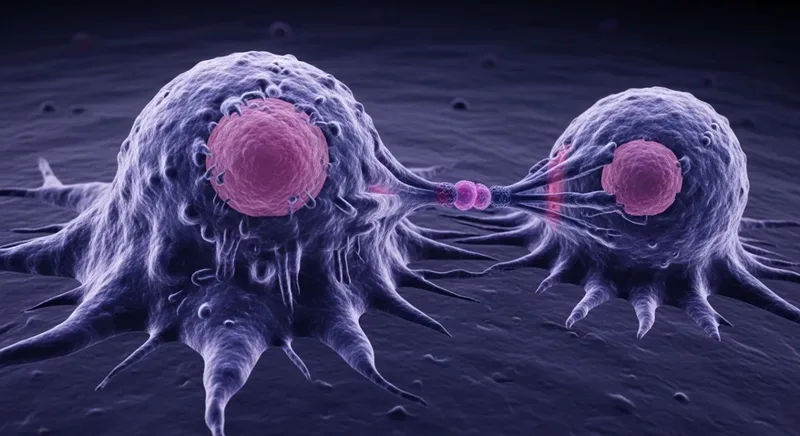
Cancer is a group of diseases (more than 100). Unlike normal cells, cancer cells multiply uncontrollably and form a tumor. Some forms of cancer, such as leukemia (blood cancer), may not form a tumor. Our bodies are made up of trillions of cells, which grow, multiply and die. This ‘program’ is encoded in the DNA of every cell. To put it simply, this program malfunctions (see below for the reason) and the cell carries out only one command – to multiply. This cancer cell no longer ‘knows’ that the body does not need new cells or that it is time for it to die; it simply multiplies and the cancer spreads… Eventually, it spreads to other organs as well.
In most cases, cancer is not a hereditary disease. Genetic changes develop over thousands of years. In the past, cancer was a very rare disease – around the year 1900, there were 63 cases per 100,000 people[13]. It is now estimated that almost one in two people will develop cancer during their lifetime![14] Over the past hundred years, the number of cases has risen (let’s not shy away from the word) catastrophically.
Only by understanding where cancer comes from and identifying the factors that are within our control can we make informed lifestyle changes that can tip the balance in our favor in terms of statistics and quality of life; so let’s discuss the causes.
Why do we get cancer?
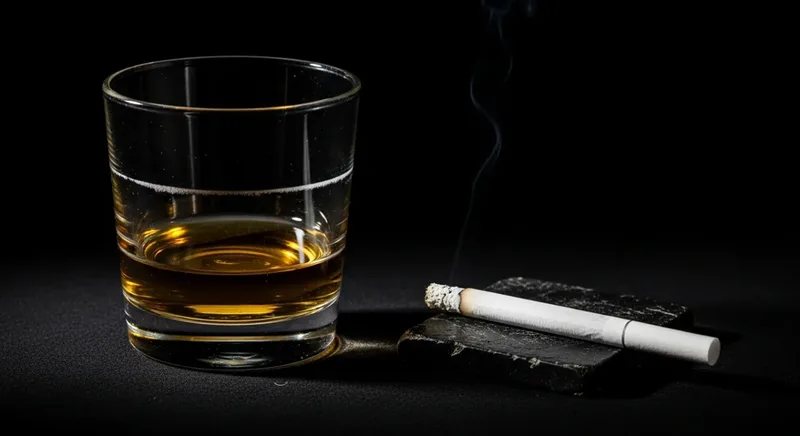
Smoking ranks among the top carcinogens (a carcinogen is a substance that causes or promotes the development of cancerous tumors in the body). Alcohol is not far behind.
If you smoke and drink alcohol, statistics suggest you are unlikely to die of ‘old age’. It has long been recognized that smoking causes cancer. However, alcohol has now also been included in the list of ‘Group 1’ carcinogens.
The International Agency for Research on Cancer (IARC), which is part of the World Health Organization, investigates the causes of cancer and compiles a list of carcinogens.
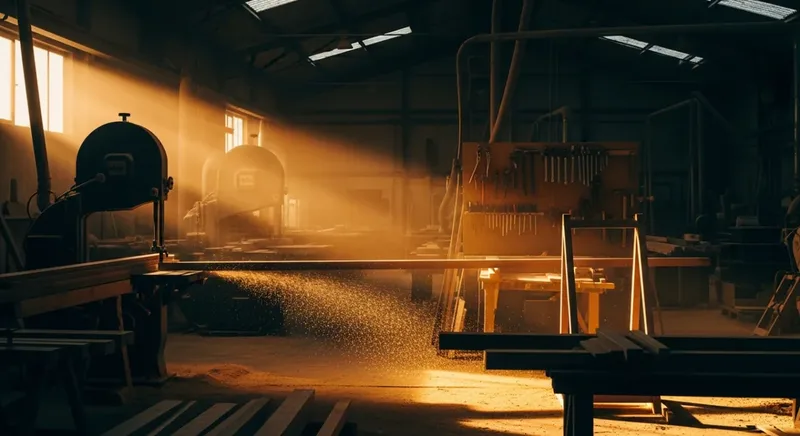
Wood shavings/dust. This is a concern for those working, for example, in the furniture industry or similar woodworking sectors.
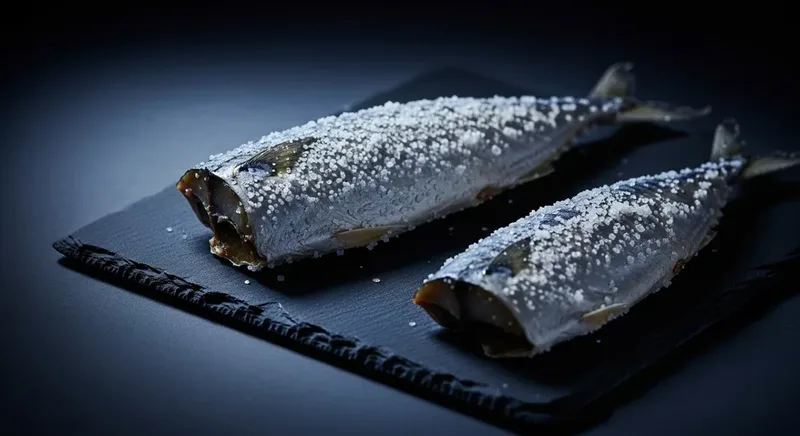
Salted fish. (What?!) A study of 80,000 people in Japan found that heavily salted foods, such as fish, increase the incidence of cancer by up to 15 per cent.
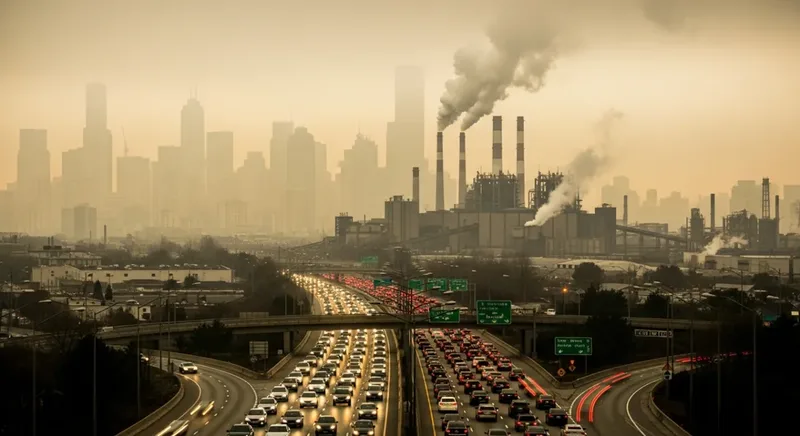
Air pollution. Indoor air pollution and urban air quality are the two biggest problems caused by toxic pollution. According to a 2014 WHO report, around 7 million people died as a result of air pollution in 2012. And how many fell ill?
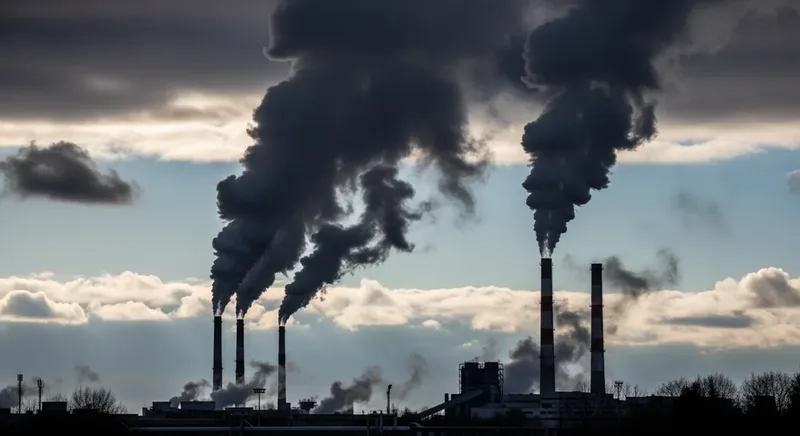
Coal combustion. China and other ‘emerging’ industrialised countries are the main contributors here. Although even the US still has a considerable number of coal-fired power stations in operation.
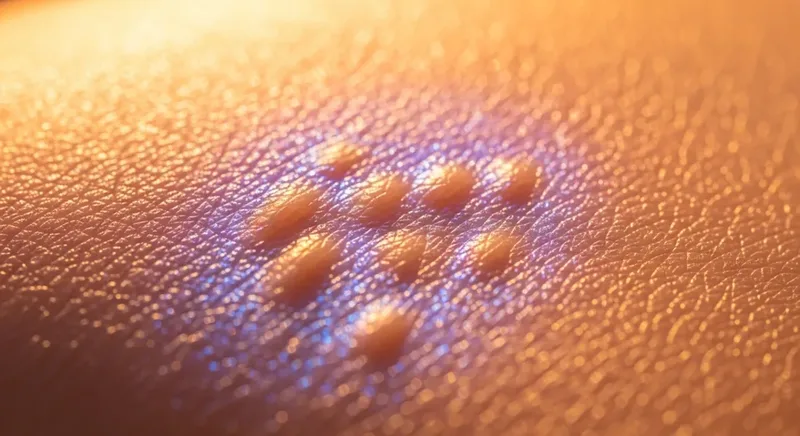
Radiation/Ultraviolet rays. Please note that excessive exposure to the sun can cause cancer; this is a particularly pressing issue in southern countries. However, a lack of sunshine is also a major problem, as the sun is the main source of vitamin D. Northern countries suffer in this respect, as they experience a constant lack of sunshine. Therefore, it is certainly not advisable to avoid the sun; you simply need to enjoy it responsibly.
X-rays and radiotherapy are also included in this list. So, the treatment itself causes cancer.
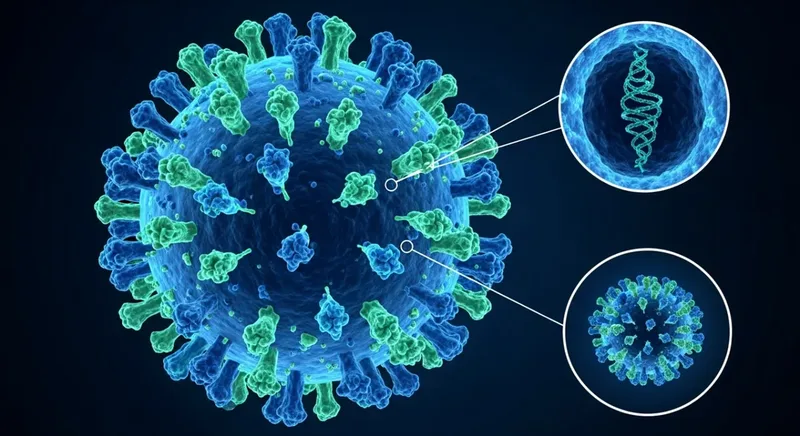
Infections. It has been found that certain bacteria and viruses increase the risk of developing cancer. These include the stomach bacterium Helicobacter pylori (found in people with chronic gastritis and stomach ulcers), and viruses such as the human papillomavirus (HPV), hepatitis B and hepatitis C, amongst others.
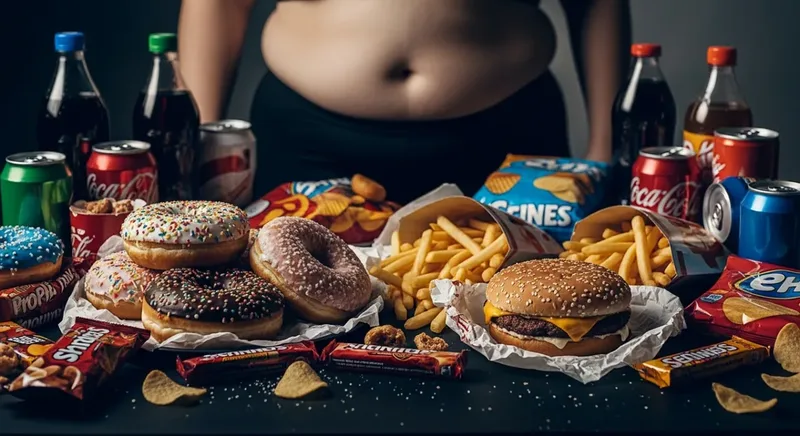
Diet and Being Overweight: healthy eating is a very complex issue. The opinions of specialists and dietitians often contradict one another. Although, in reality, it is simple. Being overweight is a direct risk factor. What causes being overweight? An excess of food and unused calories, particularly sugar and processed carbohydrates. The higher the glycaemic index of a food, the greater the threat it poses.
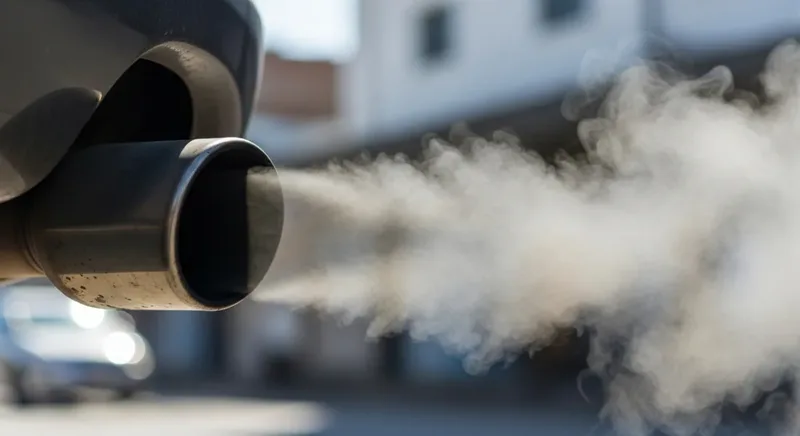
Exhaust gases from diesel engines.
Benzene, which is found in petrol, is also used in the manufacture of rubber, lubricants, paints and pesticides.
Even chimney sweeping causes cancer (soot).
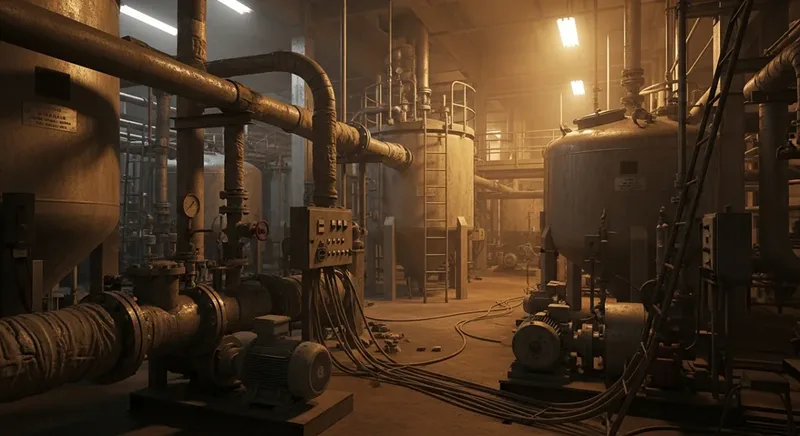
Work in the manufacturing sector: footwear, furniture, glass, paints, rubber, grinding, welding, etc. Anywhere where chemicals are involved.
You can find the full list of Group 1 carcinogens (121 substances) on wiki.org.
In this, list of Group 1 carcinogens contains substances that cause cancer; there is also a list of Group 2 carcinogens (over 300 substances) that are suspected of causing cancer and are still under investigation. You can find the full list at iarc.fr.
Causes of cancer
Many people still believe that cancer is solely hereditary; in that case, avoiding cancer is like winning the lottery. And this is perhaps a very ‘convenient’ position to take, as it means you no longer have to make an effort to live ‘properly’. But it turns out that making the effort does pay off. By using publicly available sources and research, you can adjust your lifestyle and shift the statistics in your favor quite significantly.
It is clear that this is not down to ‘genetic inheritance’; cancer is a modern disease. Let’s summarise what has changed over the last 100 years:
Poor-quality food: we have moved from whole foods to processed and semi-prepared foods. We are not getting enough fiber, which puts a strain on our immune system and increases inflammation in the body [2]. Sugar, which is added to everything, makes people fat – a direct cause of cancer [3]. The widespread use of vegetable fats processed at high temperatures increases inflammation (overactivates the immune system) in the body [4], damages cell integrity [5] and DNA [6], and causes mutations [7].
Unhealthy lifestyle: More time spent sitting[8], less physical activity[9], smoking and, of course, alcohol.
Toxins in the environment and at home: massive air pollution in cities caused by factories and the huge volume of car exhaust fumes.
Over the past few decades, more than 100,000 new chemicals have been used in everyday products and released into the environment, which, in turn, increase inflammation and disrupt the immune system[15].
So what do we actually know about cancer?
First and foremost, we know that this is a very old disease[10]. People were suffering from it centuries ago. Even animals get cancer. And why shouldn’t they? Essentially, these are cells that have ‘lost’ their DNA program code and have become uncontrolled. Every single day, between a few hundred and a few thousand such cells appear in the human body. Cells with a mutated code are part of normal metabolic processes[11]. The point is that if your immune system is functioning properly, it destroys all cells with a mutated code. What we call cancer is the result of the immune system failing to do its job and allowing some of these cells with a mutated code to survive long enough to become established and start multiplying.
When mutated cells grow their own blood vessels to supply themselves with nutrients and other substances necessary for their growth, they begin to produce complex substances such as PD-L1, CD24 or CD47. These are complex protein compounds which, when attached to the surface of cancer cells, send a signal to your immune system saying ‘don’t attack me’. We could describe this tactic employed by cancer cells as a ‘cloak of invisibility’, meaning that your defenses – the macrophages (immune cells) – are unable to detect them[12].
What medicines will help me with my cancer?
You need to balance your diet and other factors that you can influence (from the list above). This will make it easier for your immune system to do its job, and treatment (chemotherapy, etc.) will be more effective. You can influence the behavior of your immune system using natural immunomodulators and direct it to attack cancer cells as effectively as possible.
You’ll be doing yourself a big favor if you do the following:
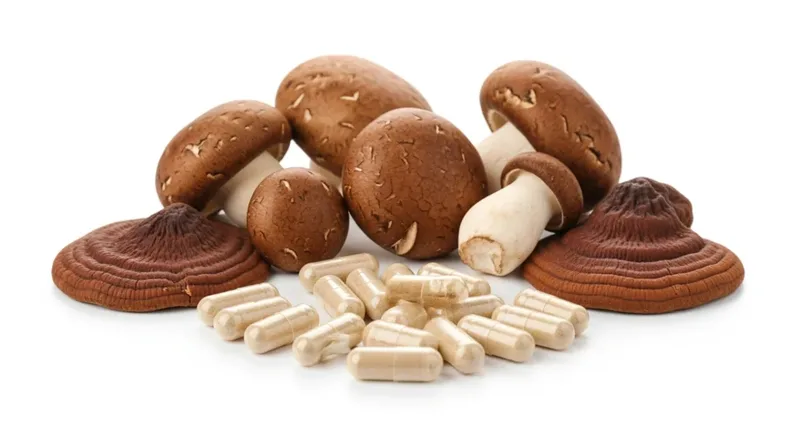
- Lentinan supplements are taken at all stages of cancer treatment. Lentinan enhances the effectiveness of standard treatment, reduces side effects and improves quality of life. These are active substances extracted from medicinal mushrooms, widely used in the East (Japan), as they are powerful immunomodulators that help the immune system to detect and destroy cancer cells. The minimum recommended course of treatment is 3 months. The longer it is taken, the better the results. You can find the best options HERE.
- Breathing exercises – find out more about the Wim Hof Method
- Exercise (do not underestimate it!)
- And be sure to read up on what to eat after chemotherapy
Cancer is adept at sending signals that mask its presence, making it difficult for the immune system to detect it. Lentinan AXT from Zenius Labs™ – an advanced formula of fungal polysaccharides, with a clinically proven composition, designed to support the immune system during cancer treatment.
Cancer is adept at sending signals that mask its presence, making it difficult for the immune system to detect it. Lentinan AXT from Zenius Labs™ – an advanced formula of fungal polysaccharides, with a clinically proven composition, designed to support the immune system during the treatment of cancer.
Frequently Asked Questions
Yes. The immune system plays a decisive role in fighting cancer cells. Certain mushroom polysaccharides may help activate natural killer (NK) cells and macrophages. But to achieve an effect, what is needed is not simple dried-mushroom powder, but a concentrated multi-extract formula — for example, Lentinan AXT by Zenius Labs™.
A tumor can be benign or malignant. Cancer is a malignant tumor, capable of spreading to other tissues and organs (metastasising). Benign tumors usually do not spread into surrounding tissue and are less life-threatening.
The most important factors are smoking, an unhealthy diet, lack of physical activity, excessive alcohol use, certain viral infections, and chronic inflammation in the body. Genetics accounts for less than 5% of all cancer cases — the great majority depends on lifestyle and environmental factors.
Supplements are not a cure for cancer, but certain mushroom-polysaccharide extracts are widely studied as an adjunct alongside primary treatment. They may help support immune-system function, especially during chemotherapy. It is important to choose concentrated formulas rather than simple powders.
Survival rates vary enormously by cancer type and stage. Disease caught early is often treated successfully — for many cancer types, five-year survival exceeds 80% when the disease is found at stage I. But the real challenge begins after treatment: without ongoing immune support and lifestyle change, the risk of recurrence remains high.
- Cancer statistics and research. NCI
- Cancer research data. IARC/WHO
- Wood dust cancer.htm — hse.gov.uk. hse.gov.uk
- Salted foods may increase cancer risk Japanese study — foodnavigator.com. foodnavigator.com
- Cancer global statistics. WHO
- Medical reference. Wikipedia
- Cancer research data. IARC/WHO
- PMC2603616. PMC
- Diet and cancer prevention. AICR
- PubMed 15735094. PubMed
- PMC5616019. PMC
- PubMed 16216463. PubMed
- PubMed 10415435. PubMed
- Cancer causes and prevention. Cancer Council
- Physical activity and cancer risk — cancer.net. cancer.net
- PubMed 25374746. PubMed
- Cancer research. Nature
- Study via medicinenet.com. medicinenet.com
- Medical reference. Wikipedia
- Study via med.stanford.edu. med.stanford.edu
- Study via wimhofmethod.com. wimhofmethod.com
- Study via youtube.com. youtube.com
- Wang H et al. Efficacy of biological response modifier lentinan with chemotherapy for advanced cancer: a meta-analysis. Cancer medicine. 2017. PubMed
- Wang Y et al. Systematic review and meta-analysis on the efficacy and safety of Injectable Lentinan combined with chemotherapy in the treatment of gastric cancer. Phytomedicine : international journal of phytotherapy and phytopharmacology. 2024. PubMed
- Oba K et al. Individual patient based meta-analysis of lentinan for unresectable/recurrent gastric cancer. Anticancer research. 2009. PubMed
- Gringhuis SI et al. Dectin-1 directs T helper cell differentiation by controlling noncanonical NF-kappaB activation through Raf-1 and Syk. Nature immunology. 2009. PubMed
- Jia XM et al. CARD9 mediates Dectin-1-induced ERK activation by linking Ras-GRF1 to H-Ras for antifungal immunity. The Journal of experimental medicine. 2014. PubMed
- Cheng SC et al. mTOR- and HIF-1α-mediated aerobic glycolysis as metabolic basis for trained immunity. Science (New York, N.Y.). 2014. PubMed
- Zhou G et al. Lentinan progress in inflammatory diseases and tumor diseases. European journal of medical research. 2024. PubMed
- Deng S et al. Lentinan inhibits tumor angiogenesis via interferon γ and in a T cell independent manner. Journal of experimental & clinical cancer research : CR. 2018. PubMed
- You J et al. Lentinan induces apoptosis of mouse hepatocellular carcinoma cells through the EGR1/PTEN/AKT signaling axis. Oncology reports. 2023. PubMed
- Amino M et al. [Studies on the effect of lentinan on human immune system. II. In vivo effect on NK activity, MLR induced killer activity and PHA induced blastic response of lymphocytes in cancer patients]. Gan to kagaku ryoho. Cancer & chemotherapy. 1983. PubMed
- Zhen C et al. Comprehensive mechanisms and advanced delivery strategies of lentinan in antitumor therapy: A review. Colloids and surfaces. B, Biointerfaces. 2026. PubMed
- Chihara G Recent progress in immunopharmacology and therapeutic effects of polysaccharides. Developments in biological standardization. 1992. PubMed
- Oba K et al. Efficacy of adjuvant immunochemotherapy with polysaccharide K for patients with curative resections of gastric cancer. Cancer immunology, immunotherapy : CII. 2007. PubMed
- Lu H et al. TLR2 agonist PSK activates human NK cells and enhances the antitumor effect of HER2-targeted monoclonal antibody therapy. Clinical cancer research : an official journal of the American Association for Cancer Research. 2011. PubMed
- Engel AL et al. Protein-bound polysaccharide activates dendritic cells and enhances OVA-specific T cell response as vaccine adjuvant. Immunobiology. 2013. PubMed
- Tanaka H et al. Impact of adjuvant immunochemotherapy using protein-bound polysaccharide-K on overall survival of patients with gastric cancer. Anticancer research. 2012. PubMed
- Chang Y et al. Preclinical and clinical studies of Coriolus versicolor polysaccharopeptide as an immunotherapeutic in China. Discovery medicine. 2017. PubMed
- Standish LJ et al. Trametes versicolor mushroom immune therapy in breast cancer. Journal of the Society for Integrative Oncology. 2008. PubMed
- Kidd P Astaxanthin, cell membrane nutrient with diverse clinical benefits and anti-aging potential. Alternative medicine review : a journal of clinical therapeutic. 2011. PubMed
- Copat C et al. Astaxanthin in cancer therapy and prevention (Review). Biomedical reports. 2025. PubMed
- Li J et al. Astaxanthin Inhibits Proliferation and Induces Apoptosis of Human Hepatocellular Carcinoma Cells via Inhibition of Nf-Κb P65 and Wnt/Β-Catenin in Vitro. Marine drugs. 2015. PubMed
- Lee J et al. Anti-Oxidant and Anti-Inflammatory Effects of Astaxanthin on Gastrointestinal Diseases. International journal of molecular sciences. 2022. PubMed
- Saini RK et al. Dietary carotenoids in cancer chemoprevention and chemotherapy: A review of emerging evidence. Pharmacological research. 2020. PubMed
- Geller AE et al. The induction of peripheral trained immunity in the pancreas incites anti-tumor activity to control pancreatic cancer progression. Nature communications. 2022. PubMed
- Dan A et al. Therapeutic Effects of Medicinal Mushrooms on Gastric, Breast, and Colorectal Cancer: A Scoping Review. Cureus. 2023. PubMed