Why Your Doctor's Advice Might Be Hurting You
Let me guess. You were told to ditch the eggs, butter, and fatty meat, and switch to lean chicken breast, whole grain bread, and margarine. This is a 50-year-old dogma that has long since crumbled into dust, yet somehow, it remains deeply rooted in medical textbooks. It is time to rip it out.
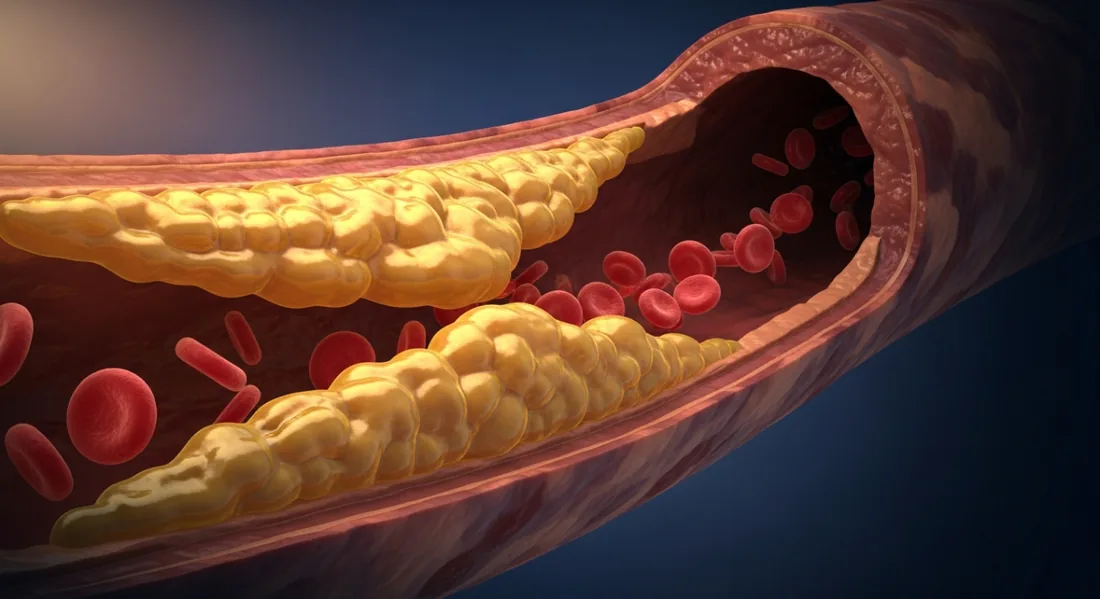
Here is the truth: cholesterol levels in your blood depend very little on how much fat you eat. Your liver produces about 80% of all your cholesterol. Food contributes a measly 15-20%. Do you realize how absurd this is? You torture yourself eating tasteless food, while your body simply produces the missing amount on its own. So why does it do that?
Because cholesterol is not the enemy. It is the firefighter. When a fire (inflammation) breaks out in your body, the liver sends cholesterol to "put it out." High cholesterol in the blood doesn't mean you're eating too much of it; it means something inside you is constantly burning. The real question is — what started the fire?
The answer is sugar and processed carbohydrates. Imagine your cells' power plants — the mitochondria. When you burn sugar (glucose), it's like throwing wet wood into a furnace. Lots of smoke, very little heat. That "smoke" consists of free radicals that damage cells and cause inflammation. But when you burn fat, it's like putting dry, seasoned logs into the furnace — it burns clean, hot, and smoke-free.
It gets worse — sugar literally sticks to your proteins and blood vessel walls. This is called glycation. Imagine chewing gum stuck to the sole of your shoe. These are AGEs (Advanced Glycation End-products), which cause chaos and inflammation. That is where the real fire is! And your doctor is suggesting you throw out the dry logs (fats) and keep burning the wet ones (grains, bread, sugar).
The Blacklist — What You Cannot Eat
Alright, enough theory. Let's get practical. Here is the list of products you need to forget if you want real changes, not just a statistical error on a lab report. This is not a time for compromise. It is time to take out the trash from your kitchen.
| Product | Why it's bad | What to replace it with |
|---|---|---|
| Sugar and fast carbs (sweets, juice, white bread, pasta, pastries) | The main source of inflammation (fire). Turns into AGE products, spikes insulin, forces the liver to produce more cholesterol. | Quit it. Satisfy sugar cravings with berries (in moderation). |
| Seed oils (sunflower, canola, soy, corn) | Polyunsaturated fats that oxidize when heated and turn into toxins. They are in almost all processed foods (mayonnaise, sauces, baked goods). | Butter, ghee (clarified butter), coconut oil, tallow, lard for frying. Olive oil – ONLY cold. |
| Trans fats (margarine, hydrogenated fats) | This is plastic, not food. Artificially created fats that directly damage blood vessels and are a primary cause of atherosclerosis. | Butter. Period. |
| Grains (especially wheat) | Gluten and lectins increase gut permeability. A "leaky" gut lets undigested particles into the blood, causing an autoimmune response and systemic inflammation. | No substitutes. You don't need bread to survive. If you really crave it – baked goods made from almond or coconut flour. |
| Processed meat with additives (sausages, salami) | The problem isn't the meat, it's the nitrates, sugar, flour fillers, and the chemical factory inside. This isn't food; it's a food-like product. | Real meat: ham, loin, bacon. Cook it yourself. |
| Pasteurized, homogenized milk | During processing, the milk protein casein is damaged and causes allergic reactions and inflammation in many people. | Fermented dairy products (kefir, natural yogurt), aged cheeses, sour cream, butter. Or just drink water. |
| Products "enriched" with phytosterols (yogurts, margarine) | These are plant sterols that block cholesterol absorption. Sounds good? No. They accumulate in arterial walls and PROMOTE atherosclerosis themselves. Avoid like the plague. | Eat real food. |
What You Should Actually Be Eating
After taking out the trash, it's time to fill the fridge with real, nutritious, and believe me, very delicious food. Forget calorie counting. Eat when you are hungry, until you are full. Your body knows when to stop when you give it what it needs.
Here is your new shopping list. Eat this and watch how lowering cholesterol becomes a pleasure, not a torture.
| Product | Benefit | Note |
|---|---|---|
| Eggs | The perfect food. Full of choline (for the brain), vitamins A, D, E, K2, selenium. Cholesterol from the egg yolk has zero impact on blood cholesterol levels. | YES, WITH THE YOLKS! Eat 3-4 a day and forget the myths. Choose free-range eggs. |
| Butter and Ghee | Stable saturated fats, ideal for cooking. Full of fat-soluble vitamins. Butyrate in butter feeds your gut bacteria. | Choose the highest fat content possible (at least 82%). Ghee is perfect for those who are intolerant to milk proteins. |
| Fatty fish (wild salmon, mackerel, sardines, herring) | A powerful source of Omega-3 (EPA and DHA). This is the strongest natural anti-inflammatory drug. Lowers triglycerides and improves blood vessel function. | Eat at least 2-3 times a week. Canned sardines (in their own juice or olive oil) are a great and cheap option. |
| Meat (especially grass-fed) | The most bioavailable source of iron, zinc, B12, and creatine. Fatty meat provides stable energy and all necessary amino acids. | Don't fear fatty cuts – bacon, ribeye, lamb. Your liver will thank you. |
| Organ meats (liver, heart) | Nature's multivitamin. Liver has more nutrients than any fruit or vegetable. Copper, vitamin A, B vitamins – all in one place. | 100g per week is enough. If you hate the taste, grind it up and mix it into ground meat. |
| Fermented foods (sauerkraut, pickles, kefir) | A source of probiotics that restores healthy gut flora. A healthy gut = less inflammation. | Choose naturally fermented, without vinegar or sugar. Read the label! |
| Avocados, olives, olive oil | Excellent source of monounsaturated fats and potassium. Reduces oxidative stress and helps reduce bad cholesterol (oxidized LDL). | Olive oil – only cold-pressed (extra virgin) and only for salads. NEVER cook with it. |
Hidden Cholesterol Triggers No One Tells You About
Sometimes, even with a perfectly tuned diet, cholesterol doesn't budge. Why? Because the fire can be stoked by things other than food. Your body is a complex system where everything is connected. Here are a few "secret agents" that might be sabotaging your efforts.
Gluten — and we aren't talking about celiac disease. The wheat gluten protein gliadin has a property that many doctors know nothing about or stay silent on. Gliadin stimulates the release of the protein zonulin in the intestinal wall — and this happens to EVERYONE, not just those with celiac disease. Zonulin acts as a "key" that unlocks the spaces between intestinal cells (called tight junctions). When these gaps open, undigested food particles, bacterial fragments, and other foreign bodies start leaking into the blood. The immune system recognizes them as a threat and launches an inflammatory reaction — but not a local one, a systemic one, throughout the whole body. This process is called "leaky gut" syndrome (Fasano, 2006). And when inflammation becomes chronic, the liver reacts just as you already know — it produces more cholesterol. This means your daily bread could be directly linked to your cholesterol numbers — and no doctor will even mention it.
Seed oils. I will repeat this again because it is endlessly important. They are hiding EVERYWHERE: in store-bought mayonnaise, salad dressings, hummus, canned goods, restaurant food. You might conscientiously cook with butter at home, but consume a whole bottle of canola oil with a business lunch. Read labels. Cook at home.
Environmental toxins. Plastics (BPA), cosmetics (phthalates), pesticides on vegetables. All these chemicals act as endocrine disruptors, causing chaos in the hormonal system and the liver. Drink filtered water, use glass containers, choose more natural cosmetics.
Silent infections. Chronic gum inflammation (periodontitis), untreated root canals, gut dysbiosis (bacterial imbalance). These are constant sources of inflammation that force the liver to produce cholesterol in non-stop mode. Fix your teeth and your gut.
Stress. Chronic stress = constantly high cortisol levels. Cortisol raises blood sugar (even if you aren't eating it!) and directly stimulates the liver to produce more cholesterol. Learn to relax: walks, meditation, deep breathing. This isn't a luxury, it's a necessity.
Why Diet Alone Sometimes Isn't Enough
Okay, you changed your diet. You feel better, you have more energy. But after 3 months, the tests show only slight improvement. Disappointed? Don't be. Imagine that for 20-30 years you poured the wrong fuel into your car. Is pouring the right fuel once enough to make the engine run like new again? Unlikely.
The damage is already done. The liver is exhausted, blood vessel walls are damaged, inflammatory processes are spinning. A diet stops further damage and gives the body a chance to start repairing itself. But sometimes it needs outside help to make that repair process more efficient.
This is where the doctor comes in and offers statins. Statins block cholesterol production in the liver. Let's remember our metaphor: this is the same as shooting all the firefighters. Yes, statistically the number of fires (heart attacks) decreases, but the fire itself (inflammation) doesn't go anywhere – it continues to smolder under the ashes, looking for other ways to manifest.
Instead of blocking the symptom, we must help the organism restore natural balance. We need measures that work comprehensively: reducing inflammation, improving liver function, protecting blood vessels from oxidative damage, and helping regulate the cholesterol metabolism mechanism itself. This is a far smarter path than blindly blocking a single enzyme.
This is exactly where nature's wisdom is revealed. For example, some medicinal mushrooms, used for thousands of years, work not through one pathway, but harmoniously through several. They help the liver handle cholesterol metabolism more efficiently, but also reduce systemic inflammation and act as powerful antioxidants protecting blood vessels. Instead of shooting the firefighters, we give them better equipment and more water. This is the complex approach offered by modern medicinal mushroom formulas for cholesterol regulation.
Regulating Cholesterol the Natural Way
Auricularia polysaccharides affect the same HMG-CoA reductase enzyme that statins block. Scientific studies show that these mushroom polysaccharides can help reduce total cholesterol by 28–44%.
Supplements for cholesterol work best when they hit more than one pathway. AURI 25 combines Auricularia and Pleurotus mushroom polysaccharides with policosanol and monacolin K — the same HMG-CoA reductase enzyme statins target, studied for lowering total cholesterol.
AURI 25 by Zenius Labs™ →Frequently Asked Questions
No. This is one of the biggest nutrition myths. Your body regulates cholesterol production itself. If you eat more cholesterol, the liver produces less. Food accounts for only 15-20% of the cholesterol balance. Eat eggs to your heart's content.
No. Butter is a stable fat. Margarine and seed oils are the real culprits causing inflammation.
No. Natural meat is healthy. Processed meats with additives cause the inflammation that raises cholesterol.
They are likely following outdated medical protocols that haven't caught up with modern nutritional science.
Initial changes appear in 4-8 weeks, with stable results in 3-6 months.