What is non-Hodgkin lymphoma?
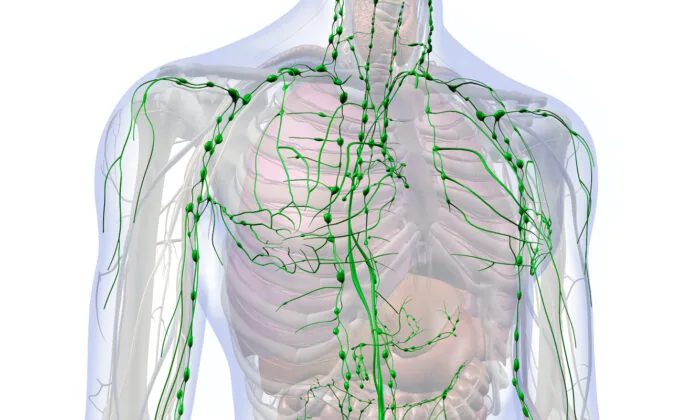
Non-Hodgkin lymphoma is a cancer that develops in the lymphatic system, which is spread throughout the body and is part of your immune system. A clear fluid called lymph flows through the lymphatic vessels, containing white blood cells — lymphocytes — that fight infections. In non-Hodgkin lymphoma, altered lymphocytes begin to multiply too rapidly and accumulate in certain parts of the lymphatic system, such as the lymph nodes. The altered lymphocytes lose their infection-fighting function, leaving you more vulnerable to infection.
Non-Hodgkin lymphoma symptoms
The most common symptom is painless swelling of a lymph node, most often in the neck, armpit or groin. Other symptoms can include: enlarged lymph nodes in the neck, armpits or groin; abdominal pain or swelling; chest pain and cough; persistent fatigue; night sweats; fever; and unexplained weight loss.
Non-Hodgkin lymphoma stages
- Stage 1: one lymph-node region or organ is affected.
- Stage 2: two or more lymph nodes on the same side of the diaphragm.
- Stage 3: lymph nodes on both sides of the diaphragm.
- Stage 4: significant involvement of an organ outside the lymphatic system (such as the lungs or liver).
Causes of non-Hodgkin lymphoma
Non-Hodgkin lymphoma is not contagious and is not hereditary. Some factors that may increase risk: taking immune-system-controlling drugs; certain viral and bacterial infections — viruses such as HIV and Epstein-Barr are associated with this cancer, and the ulcer-causing bacterium Helicobacter pylori; and certain chemicals, such as those used to kill insects and weeds.
Non-Hodgkin lymphoma treatment
There are many subtypes of non-Hodgkin lymphoma, but they can generally be divided into two categories: aggressive non-Hodgkin lymphoma — where the cancer grows quickly and aggressively; and indolent non-Hodgkin lymphoma — where the cancer grows slowly and you may feel no symptoms for many years. Life expectancy and treatment after a non-Hodgkin lymphoma diagnosis vary greatly depending on the exact type, the extent of spread, and the person's age. Low-grade tumors do not necessarily require urgent treatment but are harder to cure completely; high-grade lymphomas need prompt treatment.
Supplements for cancer
You need to balance your diet and the other factors (exercise, smoking, alcohol and so on) that only you can control. Then cancer treatment (such as chemotherapy) will be even more effective. With natural supplements you can help the immune system fight cancer cells. Effectiveness depends on the dose and duration of use. Cancer knows how to send cloaking signals, so the immune system finds it hard to detect — concentrated mushroom-polysaccharide formulas are studied for their role in strengthening the immune response during oncological disease.
Lymphoma cells evade immune detection. Concentrated mushroom polysaccharides are studied for their role in strengthening the immune response alongside treatment.
Lentinan AXT by Zenius Labs™ →Frequently Asked Questions
Non-Hodgkin lymphoma is a group of cancers beginning in the lymphatic system. Unlike Hodgkin lymphoma, it covers many different subtypes that differ in aggressiveness and treatment approach.
Yes. The immune system plays an essential role in fighting lymphoma, and chemotherapy suppresses it further. Concentrated mushroom-polysaccharide extracts are studied for their role in activating NK cells and macrophages. A concentrated multi-extract formula such as Lentinan AXT by Zenius Labs™ is preferable.
The main difference is that non-Hodgkin lymphoma lacks the characteristic Reed-Sternberg cells found in Hodgkin lymphoma. Non-Hodgkin lymphoma is far more common and includes many more subtypes, each treated differently.
The most common symptoms are painless enlargement of lymph nodes, night sweats, unexplained fever, weight loss, and persistent fatigue. Some subtypes progress slowly, others very fast.
Survival depends greatly on subtype and stage. Some indolent (slow-growing) types can be controlled for many years. Even after successful treatment, long-term immune support with concentrated mushroom-polysaccharide formulas is important.