What is anxiety
If you are looking for an answer to this question, it is likely you have already met the shadow of anxiety personally. Although this state is not hard to define, it is far more important to understand its origin. Once we grasp what drives anxiety, we can find natural ways to bring back inner calm — that feeling of lightness many of us remember from childhood, when the world did not yet seem so complicated.
More interesting still: in richer countries anxiety is (considerably) more widespread than in poorer ones. Why is that so? When you really have nowhere to live, when you have to fight daily for food, water or safety, the brain works in “survival mode” — there is no room here for abstract projection of the future.
The price of the modern world: we live with a roof over our heads, a surplus of food and services that guarantee safety, yet we still feel an inner tension. Having everything, we paradoxically lose spiritual calm.
Let us briefly examine what is really happening inside us, so as to understand how to feel elevated and calm again — every single day.
Important: if you feel that your condition is severe and managing on your own becomes too difficult, be sure to seek professional help from specialists.
The variety of anxiety disorders
It is important to understand that anxiety is not one single state — it is a whole group of different disorders. It includes panic attacks, social anxiety, separation anxiety, phobias and the most common one — generalised anxiety disorder. Although the diagnoses differ, they are all united by a common denominator: an exhausting feeling of fear and insecurity. So from here on we will simply call this whole group anxiety.
Prevalence: according to the latest World Health Organization (WHO) data, anxiety disorders are diagnosed in about 4.4% of the world’s population (that is around 360 million people). But in some Western countries, especially after the crises of recent years, this figure ranges from 7% to 18%.
“Pill culture”: unfortunately, a common way of solving it remains suppressing the symptoms with drugs that can cause dependence. For example, in France studies show that about 30–33% of people over 65 take benzodiazepines. Similar trends are observed in other developed countries, such as the USA or Croatia.
The situation is more than serious, but it is rarely spoken about out loud. Since health systems are often oriented to suppressing consequences rather than removing causes, we have to take responsibility for our own well-being. After this short but necessary scientific overview, we will move on to practical solutions that will help bring back calm and start living fully again.
Why does anxiety arise?

So that you understand what works how, and how your daily actions influence (improve or worsen) the activity of the neurotransmitters, we will give a short, simplified explanation.
In our case, proper brain function depends on the balance of 2 neurotransmitters (carriers of information). This system regulates itself through two main forces. Just imagine a set of scales that is always seeking balance.
There are two main neurotransmitters: glutamate and GABA, which act in the brain opposite to each other — glutamate excites, while GABA inhibits. This is how the scales we mentioned form. Together these two neurotransmitters make up more than 90% of all neurotransmitter activity (the other 10% is shared by neurotransmitters such as dopamine, serotonin, acetylcholine, adrenaline, melatonin and others). The interaction of glutamate and GABA largely determines how you perceive your surroundings. This balance decides whether you are calm and safe or troubled by stress and anxiety.
What raises anxiety (glutamate) in your brain
What would be worth giving up or strongly limiting:
Sugar and fast carbohydrates: sweets, baked goods, sweet drinks and even an excessive amount of sweet fruit cause sudden insulin spikes that directly affect mood swings.
Tip: you will get vitamins and minerals far more effectively from dark green vegetables, eggs and fatty fish.
Caffeine and energy drinks: this is fuel for your anxiety. Caffeine stimulates the adrenal glands to produce cortisol, so your body constantly feels in a “fight or flight” state.
Information noise: constant checking of social networks and the stream of negative news keeps the brain irritable. Facebook and Instagram algorithms are designed to cause dopamine spikes, followed by a slump and anxiety.
Food additive E621 (monosodium glutamate): widely used in sauces, convenience foods and snacks. It directly raises the amount of glutamate in the brain, which can provoke inner trembling or even panic attacks.
Gluten: even in people without an established allergy or celiac disease, gluten-caused reactions of the body appear. Modern medicine increasingly recognizes non-celiac gluten sensitivity. The proteins in wheat cause many people a “silent” inflammation, which reaches the brain through the gut and shows up as “brain fog” or anxiety.
Alcohol: and the often-heard “just 50 grams” is not healthy! There is no “healthy” amount. Although alcohol relaxes for a short time, as the body breaks down the alcohol the anxiety level the next day (so-called hangxiety) rises twofold.
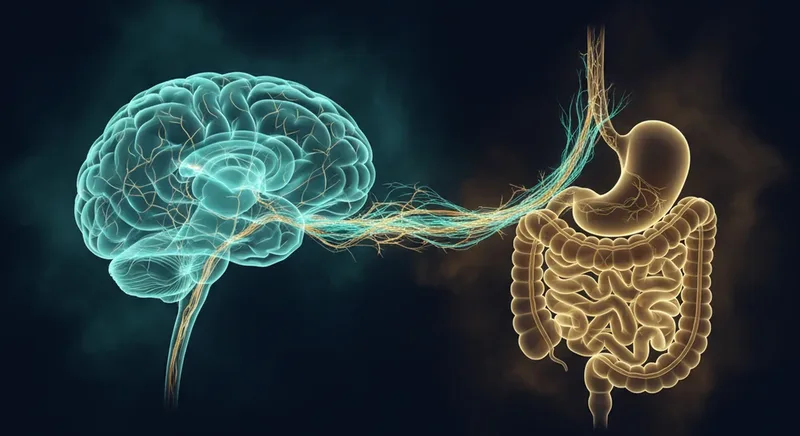
What you eat directly influences how you feel. The gut and the brain have a direct communication channel, so the functioning of your brain depends directly on the state of your belly.
What is this direct gut-brain communication channel? It is the vagus nerve. Through it the communication between the brain and the gut takes place.
So it is obvious that the state of the central nervous system and the treatment of anxiety largely depend on the “living conditions” of the good bacteria in your gut.
Instead of rushing to buy expensive good-bacteria pills, first take care of their “living conditions.” Imagine: does it make sense to invite new residents in if you intend to starve and poison them? It is far more effective to feed the bacteria you already have, so they can keep multiplying successfully.
What your body and the good bacteria do NOT like we have already discussed above; and what should you eat so that you and your population thrive and the anxiety attacks decrease? According to research, for anxiety you need as much water-soluble fiber as possible. The main types and sources: oats, apples, citrus, carrots, flax seeds, legumes and psyllium husk.
How to restore calm: activating GABA
The KETO diet helps fight anxiety and raises GABA neurotransmitters, so for those who follow this (low-carbohydrate) eating plan it not only helps manage anxiety but also improves memory and cognitive functions. More and more specialists recommend dietary correction as the first step before chemical treatment (which non-chemical pills help manage anxiety we will discuss below).
You probably already suspect that exercise raises GABA and helps cope with anxiety. You do not have to sign up to the most fashionable sports club in the city; you can exercise at home, in a little park; yoga, swimming in the pool or simply a brisk walk in the park works as therapy. And a newly bought pool membership might, look, even turn out to be enjoyable! Sauna and cold (hardening) teach the nervous system to adapt to stress, so in everyday life it becomes far more resilient.
Green tea (the L-theanine in it calms) — just do not forget to squeeze lemon into it or toss in some vitamin C; this doubles the absorption of the substances we need.
Breathing exercises are especially useful when quick changes are needed (for example, in the case of a panic attack). The golden rule of breathing: the exhale must be longer than the inhale. Inhale slowly and exhale even more slowly. The inhale activates the sympathetic (stress) nervous system, and the slow exhale the parasympathetic (calm) one.
Natural compounds for anxiety
If lifestyle changes are not enough, nature offers two powerful active compounds that can rival medications in effectiveness, without their side effects. There is sufficient research to form a picture of their impressive effect on the brain, so using both together is suggested for those who want to balance brain activity and live calmly amid the enormous information flow of everyday life. These are the flavonoid vitexin and the medicinal mushroom Hericium erinaceus (Lion's Mane).
Vitexin — nature's pulse of calm
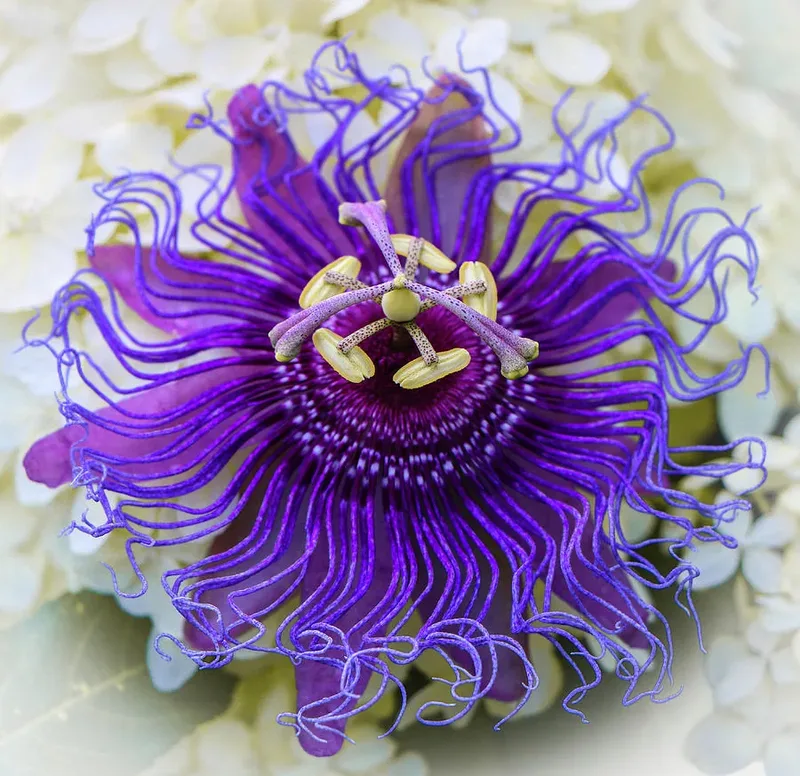
From mung beans to buckwheat, vitexin is an antioxidant found in many plants, used as a medicine across continents since ancient times.64 This flavonoid, placed under the scientists' magnifying glass, genuinely surprised researchers with its very broad pharmacological effect.65 Its antioxidant and anti-inflammatory effects are studied, along with neuroprotective, anti-spasm and other properties.66 Scientifically, vitexin is classified as an apigenin flavone glycoside, found in bamboo leaves, passionflower, buckwheat, lavender, mung beans and many more. But eating these foods is not enough to obtain a meaningful amount — strong, specific extracts are needed. Vitexin is studied for acting through the GABA-A receptor pathway in a way comparable to benzodiazepines, but as a modulator rather than a suppressor — which is why it is studied for reducing anxiety without sedation or dependence risk.
Hericium erinaceus (Lion's Mane) — the brain regenerator
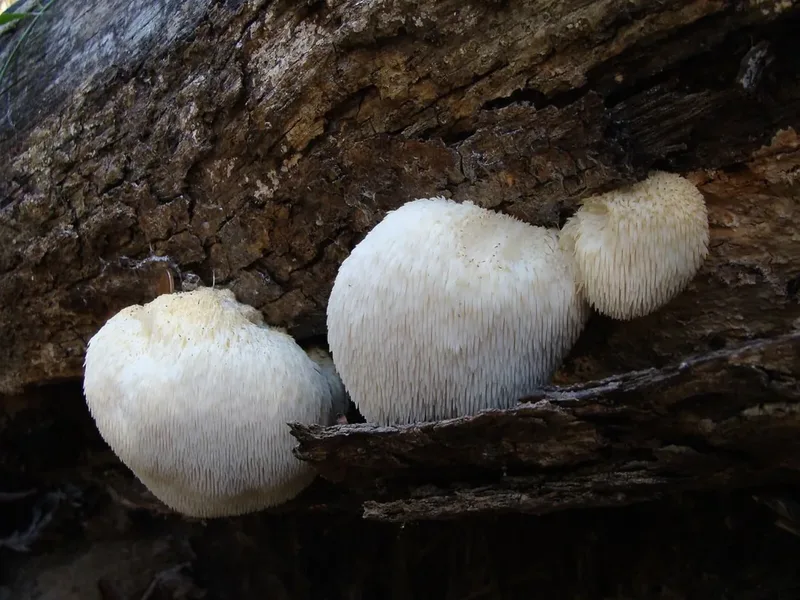
H. erinaceus is a medicinal mushroom of especially rare effect, titled the "brain mushroom." Its extract is studied as particularly suited to feelings of anxiety. Neuroregeneration: it is studied for stimulating nerve growth factor (NGF) — in human neuron samples, this mushroom's extract effectively increased neurite outgrowth by 60.6%.86 Research also examines its role in supporting mood and cognitive function. The right extract type, amount and strength matter for effect.
Vitexin is studied for acting through the GABA-A pathway like benzodiazepines but as a modulator, without dependence risk - examined across 80+ clinical studies.
Vitexin 90 by Zenius Labs™ →Frequently Asked Questions
Anxiety is a natural brain response to threat, regulated by the balance of GABA and glutamate. The problem arises when this system is chronically activated without a real threat. Modern factors — stress, poor sleep, an abundance of refined carbohydrates — continually raise glutamate and lower GABA activity, creating a state of chronic anxiety.
Some plant compounds are studied clinically. Vitexin (from Passiflora incarnata) is studied for acting through GABA-A receptors in a way comparable to benzodiazepines, but without dependence risk. This has been examined across patient groups in more than 80 clinical studies. Always discuss any approach with a healthcare professional.
Prescription sedatives (benzodiazepines) directly suppress the central nervous system and can cause dependence, memory problems and slowed movement. Vitexin 90 by Zenius Labs™ is studied for acting through the same GABA-A receptor pathway but as a modulator rather than a suppressant — studied for reducing anxiety without sedation or dependence.
Mild situational anxiety can. But chronic anxiety linked to neurochemical changes usually does not lessen without intervention — and may strengthen over time. It is important to address the cause early (sleep, diet, physical activity, GABA support) rather than wait for symptoms to worsen. Seek professional support where appropriate.
No, but they often go together. Anxiety is an excess of activation and fear; depression is emotional and energetic exhaustion. Both are associated with GABA/serotonin imbalance, which is why some interventions (such as Passiflora incarnata extract) are studied for effects on both.
Chronic anxiety can harm over time: raising cortisol, weakening the immune system and increasing cardiovascular risk. Short-term anxiety is normal and even useful. The problem is when it becomes a background mode of life — so it is important not to leave it unaddressed.
- Moreno-Agostino D et al. Characterising patterns of health behaviours in middle-aged and older adults. BMC Public Health. 2020. biomedcentral.com
- Missing: https://www.who.int/news-room/fact-sheets/detail/anxiety-disorders
- Missing: https://presse.inserm.fr/en/benzodiazepine-use-and-dementia-in-the-over-65s/47631/
- Missing: https://www.researchgate.net/publication/396450394_The_Use_of_Benzodiazepines_in_the_Elderly_Population_Epidemiology_Risks_and_Withdrawal_Management
- Miczke A et al. GABA and anxiety: IntechOpen chapter. IntechOpen. intechopen.com
- Gibson GR et al. Dietary prebiotics: current status and new definition. J Nutr. 2010. oup.com
- Nuss P. Anxiety disorders and GABA neurotransmission: a disturbance of modulation. Neuropsychiatric disease and treatment. 2015. PubMed Central
- Nutrients and neurotransmitters: IntechOpen chapter. IntechOpen. intechopen.com
- American Addiction Centers. Long-term effects of Xanax use. AmericanAddictionCenters.org. americanaddictioncenters.org
- MedlinePlus. Alprazolam (Xanax) drug information. MedlinePlus (NIH). medlineplus.gov
- Wang C et al. Glucose inhibits GABA release by pancreatic beta-cells through an increase in GABA shunt activity. Am J Physiol Endocrinol Metab. 2006. PubMed
- Levin BE et al. Regulation of energy homeostasis by peripheral signals. Am J Physiol Regul Integr Comp Physiol. 2017. physiology.org
- Kose J et al. A Comparison of Sugar Intake between Individuals with High and Low Trait Anxiety: Results from the NutriNet-Santé Study. Nutrients. 2021. PubMed
- Alasmari F. Caffeine induces neurobehavioral effects through modulating neurotransmitters. Saudi Pharm J. 2020. PubMed
- John J et al. Caffeine promotes glutamate and histamine release in the posterior hypothalamus. American journal of physiology. Regulatory, integrative and comparative physiology. 2014. PubMed Central
- Solinas M et al. Caffeine induces dopamine and glutamate release in the shell of the nucleus accumbens. The Journal of neuroscience : the official journal of the Society for Neuroscience. 2002. PubMed Central
- Psychology Today. Anxiety and social media use. PsychologyToday.com. 2020. psychologytoday.com
- Shensa A et al. Social Media Use and Depression and Anxiety Symptoms: A Cluster Analysis. American journal of health behavior. 2018. PubMed Central
- Harvard Graduate School of Education. Social media and teen anxiety. Harvard GSE. 2017. gse.harvard.edu
- Vannucci A et al. Social media use and anxiety in emerging adults. Scand J Psychol. 2017. wiley.com
- Onaolapo OJ et al. Monosodium glutamate-associated alterations in open field, anxiety-related and conditioned place preference behaviours in mice. Naunyn Schmiedebergs Arch Pharmacol. 2017. PubMed
- Ureña-Guerrero ME et al. Excitotoxic neonatal damage induced by monosodium glutamate reduces several GABAergic markers in the cerebral cortex and hippocampus in adulthood. Int J Dev Neurosci. 2009. PubMed
- Quines CB et al. Monosodium glutamate, a food additive, induces depressive-like and anxiogenic-like behaviors in young rats. Life Sci. 2014. PubMed
- Porcelli B et al. Celiac and non-celiac gluten sensitivity: a review on the association with schizophrenia and mood disorders. Auto Immun Highlights. 2014. PubMed
- Casella G et al. Mood disorders and non-celiac gluten sensitivity. Minerva Gastroenterol Dietol. 2017. PubMed
- Losurdo G et al. Extra-intestinal manifestations of non-celiac gluten sensitivity: An expanding paradigm. World J Gastroenterol. 2018. PubMed
- Addolorato G et al. Anxiety and depression in celiac disease. Intern Emerg Med. 2014. springer.com
- Verywell Health. Gluten-related neurological symptoms. VeryWellHealth.com. verywellhealth.com
- WHO Europe. Alcohol use and mental health. WHO. 2018. euro.who.int
- Norwitz NG et al. Nutrition as Metabolic Treatment for Anxiety. Front Psychiatry. 2021. PubMed
- Bear TLK et al. The Role of the Gut Microbiota in Dietary Interventions for Depression and Anxiety. Adv Nutr. 2020. PubMed
- Firth J et al. Food and mood: how do diet and nutrition affect mental wellbeing?. BMJ. 2020. PubMed
- Adan RAH et al. Nutritional psychiatry: Towards improving mental health by what you eat. Eur Neuropsychopharmacol. 2019. PubMed
- Marx W et al. Nutritional psychiatry: the present state of the evidence. Proc Nutr Soc. 2017. PubMed
- Chao L et al. Effects of Probiotics on Depressive or Anxiety Variables in Healthy Participants Under Stress Conditions or With a Depressive or Anxiety Diagnosis: A Meta-Analysis of Randomized Controlled Trials. Front Neurol. 2020. PubMed
- Sun LJ et al. Gut hormones in microbiota-gut-brain cross-talk. Chin Med J (Engl). 2020. PubMed
- Luna RA et al. Gut brain axis: diet microbiota interactions and implications for modulation of anxiety and depression. Curr Opin Biotechnol. 2015. PubMed
- Evrensel A et al. Immune-Kynurenine Pathways and the Gut Microbiota-Brain Axis in Anxiety Disorders. Adv Exp Med Biol. 2020. PubMed
- Martin CR et al. The Brain-Gut-Microbiome Axis. Cell Mol Gastroenterol Hepatol. 2018. PubMed
- Schmidt K et al. Prebiotic intake reduces the waking cortisol response and alters emotional bias in healthy volunteers. Psychopharmacology (Berl). 2015. PubMed
- Simpson CA et al. The gut microbiota in anxiety and depression. Front Psychiatry. 2018. frontiersin.org
- Rieder R et al. Microbes and mental health: A review. Brain Behav Immun. 2017. PubMed
- Messaoudi M et al. Beneficial psychological effects of a probiotic formulation (Lactobacillus helveticus R0052 and Bifidobacterium longum R0175) in healthy human volunteers. Gut Microbes. 2011. PubMed
- Steenbergen L et al. A randomized controlled trial to test the effect of multispecies probiotics on cognitive reactivity to sad mood. Brain Behav Immun. 2015. PubMed
- Taylor AM et al. A review of dietary and microbial connections to depression, anxiety, and stress. Nutr Neurosci. 2020. PubMed
- Dahl WJ et al. Dietary fibre and gut microbiome interactions. Nature Scientific Reports. 2021. nature.com
- New Brain Nutrition. Can prebiotics treat anxiety and depression?. NewBrainNutrition.com. newbrainnutrition.com
- Kao AC et al. The Influence of Prebiotics on Neurobiology and Behavior. Int Rev Neurobiol. 2016. PubMed
- Szklany K et al. Supplementation of dietary non-digestible oligosaccharides from birth onwards improve social and reduce anxiety-like behaviour in male BALB/c mice. Nutr Neurosci. 2020. PubMed
- Diabetes.co.uk. Ketogenic diet and mental health. Diabetes.co.uk. diabetes.co.uk
- Włodarczyk A et al. Ketogenic Diet: A Dietary Modification as an Anxiolytic Approach?. Nutrients. 2020. PubMed Central
- Kandola A et al. Exercise and Anxiety. Adv Exp Med Biol. 2020. PubMed
- Streeter CC et al. Yoga Asana sessions increase brain GABA levels: a pilot study. J Altern Complement Med. 2007. PubMed
- Hayasaka S et al. Effects of charcoal kiln saunas (Jjimjilbang) on psychological states. Complement Ther Clin Pract. 2008. PubMed
- Cain T et al. Effects of cold-water immersion on health and wellbeing: A systematic review and meta-analysis. PLoS One. 2025. PubMed
- Vignes M et al. Anxiolytic properties of green tea polyphenol (-)-epigallocatechin gallate (EGCG). Brain Res. 2006. PubMed
- Peters CM et al. Formulation with ascorbic acid and sucrose modulates catechin bioavailability from green tea. Food research international (Ottawa, Ont.). 2010. PubMed Central
- Jerath R et al. Self-regulation of breathing as a primary treatment for anxiety. Appl Psychophysiol Biofeedback. 2015. PubMed
- Psychology Today. Longer exhalations ease anxiety. PsychologyToday.com. 2019. psychologytoday.com
- Feathered Pipe Foundation. How breath affects the nervous system. FeatheredPipe.com. featheredpipe.com
- Kim M et al. Role Identification of Passiflora Incarnata Linnaeus: A Mini Review. Journal of menopausal medicine. 2017. PubMed Central
- Appel K et al. Modulation of the γ-aminobutyric acid (GABA) system by Passiflora incarnata L. Phytother Res. 2011. sciencedirect.com
- Babaei F et al. Review of the effects of vitexin in oxidative stress-related diseases. Food science & nutrition. 2020. PubMed Central
- Akhondzadeh S et al. Passionflower in the treatment of generalized anxiety: a pilot double-blind randomized controlled trial with oxazepam. J Clin Pharm Ther. 2001. PubMed
- Christoffoli MT et al. Assessment of Passiflora incarnata L for conscious sedation of patients during the extraction of mandibular third molars: a randomized, split-mouth, double-blind, crossover study. Quintessence Int. 2021. PubMed
- Janda K et al. Passiflora incarnata in Neuropsychiatric Disorders-A Systematic Review. Nutrients. 2020. PubMed Central
- Luscher C et al. GABA(A) receptor trafficking-mediated plasticity of inhibitory synapses. Neuron. 2000. nature.com
- Abbasi E et al. Neuroprotective effects of vitexin, a flavonoid, on pentylenetetrazole-induced seizure in rats. Chem Biol Drug Des. 2012. PubMed
- Grundmann O et al. Anxiolytic activity of a phytochemically characterized Passiflora incarnata extract is mediated via the GABAergic system. Planta Med. 2008. PubMed
- Oliveira DR et al. Flavones-bound in benzodiazepine site on GABA(A) receptor: Concomitant anxiolytic-like and cognitive-enhancing effects produced by Isovitexin and 6-C-glycoside-Diosmetin. Eur J Pharmacol. 2018. PubMed
- Šurkienė G et al. Benzodiazepinų vartojimo paplitimas Lietuvoje. Psichiatrija.lt. 2019. psichiatrija.lt
- Lakhan SE et al. Nutritional and herbal supplements for anxiety and anxiety-related disorders: systematic review. Nutrition journal. 2010. PubMed Central
- Nojoumi M et al. Effects of Passion Flower Extract, as an Add-On Treatment to Sertraline, on Reaction Time in Patients with Generalized Anxiety Disorder: A Double-Blind Placebo-Controlled Study. Iranian journal of psychiatry. 2016. PubMed Central
- Qi Y et al. Vitexin improves neuron apoptosis and memory impairment induced by isoflurane via regulation of miR-409 expression. Adv Clin Exp Med. 2020. PubMed
- Kim GH et al. Improvement in neurogenesis and memory function by administration of Passiflora incarnata L. extract applied to sleep disorder in rodent models. J Chem Neuroanat. 2019. PubMed
- Sveikatos apsaugos ministerija. Raminamųjų bei migdomųjų vaistų vartojimo grėsmės. SAM.lrv.lt. sam.lrv.lt
- Akhondzadeh S et al. Passionflower in the treatment of opiates withdrawal: a double-blind randomized controlled trial. J Clin Pharm Ther. 2001. PubMed
- Dhawan K. Drug/substance reversal effects of a novel tri-substituted benzoflavone moiety (BZF) isolated from Passiflora incarnata Linn.–a brief perspective. Addict Biol. 2003. PubMed
- de Oliveira DD et al. Vitexin Possesses Anticonvulsant and Anxiolytic-Like Effects in Murine Animal Models. Frontiers in pharmacology. 2020. PubMed Central
- Nassiri-Asl M et al. Anticonvulsant effects of aerial parts of Passiflora incarnata extract in mice: involvement of benzodiazepine and opioid receptors. BMC complementary and alternative medicine. 2007. PubMed Central
- Bourin M et al. A combination of plant extracts in the treatment of outpatients with adjustment disorder with anxious mood: controlled study versus placebo. Fundam Clin Pharmacol. 1997. PubMed
- Singh B et al. Dual protective effect of Passiflora incarnata in epilepsy and associated post-ictal depression. J Ethnopharmacol. 2012. PubMed
- Lai PL et al. Neurotrophic properties of the Lion’s mane medicinal mushroom, Hericium erinaceus (Higher Basidiomycetes) from Malaysia. Int J Med Mushrooms. 2013. PubMed
- Kolotushkina EV et al. The influence of Hericium erinaceus extract on myelination process in vitro. Fiziol Zh (1994). 2003. PubMed
- Wong KH et al. Neuroregenerative potential of lion’s mane mushroom, Hericium erinaceus (Bull.: Fr.) Pers. (higher Basidiomycetes), in the treatment of peripheral nerve injury (review). Int J Med Mushrooms. 2012. PubMed
- He X et al. Structures, biological activities, and industrial applications of the polysaccharides from Hericium erinaceus (Lion’s Mane) mushroom: A review. Int J Biol Macromol. 2017. PubMed
- Park YS et al. Effect of an exo-polysaccharide from the culture broth of Hericium erinaceus on enhancement of growth and differentiation of rat adrenal nerve cells. Cytotechnology. 2002. PubMed Central
- Samberkar S et al. Lion’s Mane, Hericium erinaceus and Tiger Milk, Lignosus rhinocerotis (Higher Basidiomycetes) Medicinal Mushrooms Stimulate Neurite Outgrowth in Dissociated Cells of Brain, Spinal Cord, and Retina: An In Vitro Study. Int J Med Mushrooms. 2015. PubMed
- Nagano M et al. Reduction of depression and anxiety by 4 weeks Hericium erinaceus intake. Biomed Res. 2010. PubMed
- Vigna L et al. Hericium erinaceus Improves Mood and Sleep Disorders in Patients Affected by Overweight or Obesity: Could Circulating Pro-BDNF and BDNF Be Potential Biomarkers?. Evid Based Complement Alternat Med. 2019. PubMed
- Friedman M. Chemistry, Nutrition, and Health-Promoting Properties of Hericium erinaceus (Lion’s Mane) Mushroom Fruiting Bodies and Mycelia and Their Bioactive Compounds. J Agric Food Chem. 2015. PubMed
- Chong PS et al. Neurogenesis-dependent antidepressant-like activity of Hericium erinaceus in an animal model of depression. Chin Med. 2021. PubMed
- Brandalise F et al. Dietary Supplementation of Hericium erinaceus Increases Mossy Fiber-CA3 Hippocampal Neurotransmission and Recognition Memory in Wild-Type Mice. Evidence-based complementary and alternative medicine : eCAM. 2017. PubMed Central
- Zhang J et al. The Neuroprotective Properties of Hericium erinaceus in Glutamate-Damaged Differentiated PC12 Cells and an Alzheimer’s Disease Mouse Model. International journal of molecular sciences. 2016. PubMed Central
- Mori K et al. Improving effects of the mushroom Yamabushitake (Hericium erinaceus) on mild cognitive impairment: a double-blind placebo-controlled clinical trial. Phytother Res. 2009. PubMed
- Chong PS et al. Therapeutic Potential of Hericium erinaceus for Depressive Disorder. Int J Mol Sci. 2019. PubMed
- Kim YO et al. Hericium erinaceus suppresses LPS-induced pro-inflammation gene activation in RAW264.7 macrophages. Immunopharmacol Immunotoxicol. 2012. PubMed
- Qin M et al. Anti-Inflammatory Effects of Ethanol Extract of Lion’s Mane Medicinal Mushroom, Hericium erinaceus (Agaricomycetes), in Mice with Ulcerative Colitis. Int J Med Mushrooms. 2016. PubMed
- Mori K et al. Effects of Hericium erinaceus on amyloid β(25-35) peptide-induced learning and memory deficits in mice. Biomed Res. 2011. PubMed
- Velasquez ACA et al. Effects of Passiflora incarnata and Valeriana officinalis in the control of anxiety due to tooth extraction: a randomized controlled clinical trial. Oral and maxillofacial surgery. 2024. PubMed
- Miyasaka LS et al. Passiflora for anxiety disorder. The Cochrane database of systematic reviews. 2007. PubMed
- Wolfman C et al. Possible anxiolytic effects of chrysin, a central benzodiazepine receptor ligand isolated from Passiflora coerulea. Pharmacology, biochemistry, and behavior. 1994. PubMed
- Krenn L [Passion Flower (Passiflora incarnata L.)–a reliable herbal sedative]. Wiener medizinische Wochenschrift (1946). 2002. PubMed
- Medina JH et al. Chrysin (5,7-di-OH-flavone), a naturally-occurring ligand for benzodiazepine receptors, with anticonvulsant properties. Biochemical pharmacology. 1990. PubMed
- Al Hasan MS et al. Assessment of sedative activity of Chrysin: Behavioral approach with pharmacokinetics, toxicological profile and molecular docking. Sleep medicine. 2025. PubMed
- Nagano M et al. Reduction of depression and anxiety by 4 weeks Hericium erinaceus intake. Biomedical research (Tokyo, Japan). 2010. PubMed
- Vigna L et al. Hericium erinaceus Improves Mood and Sleep Disorders in Patients Affected by Overweight or Obesity: Could Circulating Pro-BDNF and BDNF Be Potential Biomarkers?. Evidence-based complementary and alternative medicine : eCAM. 2019. PubMed
- Koszła O et al. Biotransformation of Ganoderma lucidum and Hericium erinaceus for ex vivo gut-brain axis modulation and mood-related outcomes in humans: CREB/BDNF signaling and microbiota-driven synergies. Journal of ethnopharmacology. 2025. PubMed
- Mori K et al. Nerve growth factor-inducing activity of Hericium erinaceus in 1321N1 human astrocytoma cells. Biological & pharmaceutical bulletin. 2008. PubMed
- Lai PL et al. Neurotrophic properties of the Lion’s mane medicinal mushroom, Hericium erinaceus (Higher Basidiomycetes) from Malaysia. International journal of medicinal mushrooms. 2013. PubMed
- Cipriano GL et al. Beyond Neurotrophins: A Proposed Neurotrophic-Epigenetic Axis Mediated by Non-Coding RNA Networks for Hericium erinaceus Bioactives-A Hypothesis-Driven Review. International journal of molecular sciences. 2026. PubMed
- Roda E et al. Cognitive Healthy Aging in Mice: Boosting Memory by an Ergothioneine-Rich Hericium erinaceus Primordium Extract. Biology. 2023. PubMed
- Ratto D et al. Hericium erinaceus Improves Recognition Memory and Induces Hippocampal and Cerebellar Neurogenesis in Frail Mice during Aging. Nutrients. 2019. PubMed
- Priori EC et al. Hericium erinaceus Extract Exerts Beneficial Effects on Gut-Neuroinflammaging-Cognitive Axis in Elderly Mice. Biology. 2023. PubMed
- Jeanclos E et al. Improved cognition, mild anxiety-like behavior and decreased motor performance in pyridoxal phosphatase-deficient mice. Biochimica et biophysica acta. Molecular basis of disease. 2019. PubMed
- Kasaragod VB et al. Pyridoxal kinase inhibition by artemisinins down-regulates inhibitory neurotransmission. Proceedings of the National Academy of Sciences of the United States of America. 2020. PubMed
- Singhuber J et al. GABA(A) receptor modulators from Chinese herbal medicines traditionally applied against insomnia and anxiety. Phytomedicine : international journal of phytotherapy and phytopharmacology. 2012. PubMed
- Evans AK et al. Pharmacology of the beta-carboline FG-7,142, a partial inverse agonist at the benzodiazepine allosteric site of the GABA A receptor: neurochemical, neurophysiological, and behavioral effects. CNS drug reviews. 2007. PubMed
- Zhong H et al. Neonatal inflammation via persistent TGF-β1 downregulation decreases GABA(A)R expression in basolateral amygdala leading to the imbalance of the local excitation-inhibition circuits and anxiety-like phenotype in adult mice. Neurobiology of disease. 2022. PubMed
- Pétursson H The benzodiazepine withdrawal syndrome. Addiction (Abingdon, England). 1994. PubMed
- Soyka M Treatment of Benzodiazepine Dependence. The New England journal of medicine. 2017. PubMed
- O’brien CP Benzodiazepine use, abuse, and dependence. The Journal of clinical psychiatry. 2005. PubMed
- Akhondzadeh S et al. Passionflower in the treatment of generalized anxiety: a pilot double-blind randomized controlled trial with oxazepam. Journal of clinical pharmacy and therapeutics. 2001. PubMed
- Stein MB Neurobiology of generalized anxiety disorder. The Journal of clinical psychiatry. 2009. PubMed
- Pollack MH Refractory generalized anxiety disorder. The Journal of clinical psychiatry. 2009. PubMed
- Richier C et al. Brain Age Prediction in Generalized Anxiety Disorder using a Convolutional Neural Network. Research square. 2025. PubMed
- Amigó J et al. The absence of 5-HT(4) receptors modulates depression- and anxiety-like responses and influences the response of fluoxetine in olfactory bulbectomised mice: Adaptive changes in hippocampal neuroplasticity markers and 5-HT(1A) autoreceptor. Neuropharmacology. 2016. PubMed
- Paliokha R et al. Effects of pre-gestational exposure to the stressors and perinatal mirtazapine administration on the excitability of hippocampal glutamate and brainstem monoaminergic neurons, hippocampal neuroplasticity, and anxiety-like behavior in rats. Molecular psychiatry. 2026. PubMed
- Cryan JF et al. The Microbiota-Gut-Brain Axis. Physiological reviews. 2019. PubMed
- Rutsch A et al. The Gut-Brain Axis: How Microbiota and Host Inflammasome Influence Brain Physiology and Pathology. Frontiers in immunology. 2020. PubMed
- Foster JA et al. Stress & the gut-brain axis: Regulation by the microbiome. Neurobiology of stress. 2017. PubMed
- Bear T et al. The Microbiome-Gut-Brain Axis and Resilience to Developing Anxiety or Depression under Stress. Microorganisms. 2021. PubMed