A cocktail at a party, a glass of wine at the weekend, or a beer among friends — alcohol is an important part of life for many people. The question is whether it can be combined with chemotherapy. The short answer is no.
Why alcohol and chemotherapy are incompatible
- Most drugs used to treat cancer are broken down by the liver. Alcohol is also broken down by the liver, so this can cause inflammation, impair the action of chemotherapy drugs, and increase chemotherapy's side effects.
- Mouth ulcers (mucositis) are a common chemotherapy side effect, and alcohol can make this problem worse.
- Other medications — for pain, insomnia or nausea — can also react with alcohol, causing strong side effects.
- Alcohol damages nerves,4 and neuropathy after chemotherapy can become even worse.5
But maybe just one glass of wine?
Whether wine or spirits, all alcohol is ethanol. Ethanol is a substance that causes cancer. Acetaldehyde (formed in the body after drinking alcohol) is the most toxic alcohol metabolite — it disrupts DNA synthesis and repair,6 which further contributes to cancer growth. Statements like "a glass of wine is nothing" or "a shot of brandy is healthy" are not supported by the research.
So what to drink during chemotherapy, when others are drinking alcohol and "having fun"?
With cancer, especially in later stages, the emotional state becomes no less important than the physical. People often reach for alcohol as emotional support or a way to lift the mood — but in oncology, alcohol is digging a hole: it suppresses the immune system, burdens the liver and triggers inflammatory processes.
But this does not mean you have to isolate yourself. You can take full part in celebrations, choosing drinks that not only do no harm but actively help your body and mind.
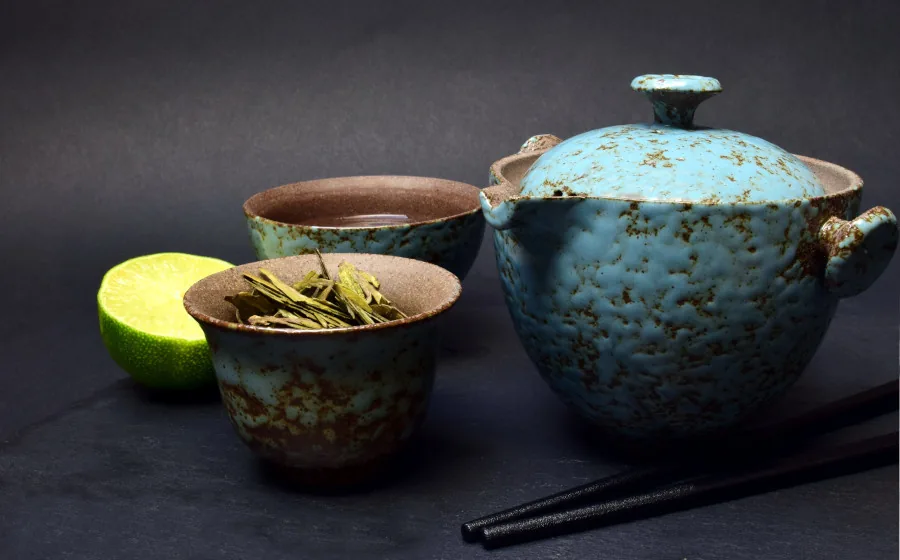
1. Bitter green tea: your DNA “repair tool”
Green tea is one of the strongest natural weapons against stress and cell damage. Its effect is the opposite of alcohol’s:
- Emotional balance: it lowers the stress hormone cortisol, eases anxiety and depression, and fosters calm.
- Cognitive function: it improves memory and mood — especially important against “chemo fog.”
- Cell protection: unlike alcohol, green tea helps the body manage DNA damage.
An important trick: to draw out the maximum EGCG (catechins) and L-theanine, brew the tea with boiling water and let it steep at least 15 minutes, until it turns bitter. And to raise absorption up to 11-fold, be sure to add vitamin C (ascorbic acid) or squeeze in plenty of lemon juice.
2. Kombucha (tea mushroom): a healthy alternative to “the bubbles”
If you miss the festive buzz, the feel of a fizzy drink, or simply want something refreshing, kombucha is an excellent choice.
- Digestive support: chemotherapy often destroys the good gut bacteria. Kombucha is a natural probiotic that helps rebuild the microbiome — directly tied to stronger immunity.
- Detoxification: it is rich in glucaric acid, which helps the liver clear toxins and chemotherapy residues more efficiently.
- The social factor: kombucha has a complex, slightly sour, fizzy taste, so poured into a glass it stands in beautifully for wine or beer — letting you feel part of the celebration with no harm to your health.
- Sugar: choose the least-sweetened kinds, since cancer cells “like” sugar.
- Pasteurisation: if your immune system after chemotherapy is very weak (low white-cell count), choose store-bought, safely prepared kombucha rather than homemade versions, to avoid the risk of unwanted moulds or bacteria.
Your choice is your power
Instead of using alcohol to “escape” the illness for a moment, choose drinks that give real, biological help to your cells. These are not just drinks — they are part of your strategy to overcome the disease and stay strong, both physically and emotionally.
Alcohol impairs chemotherapy and the immune system. Concentrated mushroom polysaccharides are studied for supporting immunity during treatment.
Lentinan AXT by Zenius Labs™ →What I can do in the fight against cancer
You will help yourself strongly by doing these things:
- Alcohol is toxic to liver cells, so drinking it can speed up liver damage and bring fatal consequences closer. It is best to give up alcohol.
- Quitting smoking can directly affect survival time.
- Fructose (fruit, juices, sweets) is toxic to the liver. Get your vitamins and minerals from vegetables, fish and eggs.
- Mushrooms have been used as medicine for thousands of years for their unmatched pharmacological range. Lentinan, from the Lentinus edodes medicinal mushroom, is the most thoroughly studied and documented anti-cancer compound, best known for stimulating immunity (activating and coordinating cytokines, macrophages, NK, LAK, T and other cells).
Frequently Asked Questions
No. Most chemotherapy drugs are broken down by the liver, as is alcohol, so combining them can cause inflammation, impair drug action and increase side effects. Alcohol also worsens mouth ulcers (mucositis) and nerve damage (neuropathy), and can react with pain, sleep and anti-nausea medications.
All alcohol is ethanol, a cancer-causing substance. Its metabolite acetaldehyde disrupts DNA synthesis and repair, contributing to cancer growth. The research does not support claims that a small amount is harmless or healthy.
You can take full part in celebrations with drinks that help rather than harm: bitter green tea (studied as a DNA-repair support), herbal teas, mineral water, and freshly made vegetable juices.
Yes. Alcohol damages nerves, and neuropathy after chemotherapy can become even worse with alcohol use.
- Alcoholic neuropathy: possible mechanisms and future treatment possibilities. PubMed
- Managing Peripheral Neuropathy. cancer.org
- Effects of acetaldehyde-induced DNA lesions on DNA metabolism. Genes and Environment
- There is no safe level of alcohol, new study confirms. WHO
- The effects of tea on psychophysiological stress responsivity and post-stress recovery: a randomised double-blind trial. PubMed
- Green tea effects on cognition, mood and human brain function: A systematic review. PubMed
- Effect of Green Tea Phytochemicals on Mood and Cognition. PubMed
- Green Tea, Coffee, and Caffeine Consumption Are Inversely Associated with Self-Report Lifetime Depression. PubMed
- Cognitive function and tea consumption in community dwelling older Chinese in Singapore. PubMed
- The science of tea’s mood-altering magic. Nature
- Targeting DNA Repair Endonuclease ERCC1-XPF with Green Tea Polyphenol EGCG to Enhance Cisplatin Efficacy in Cancer Cells. PubMed
- Biophysical Approach to Mechanisms of Cancer Prevention and Treatment with Green Tea Catechins. PubMed
- Digestive stability and absorption of green tea polyphenols: Influence of acid and xylitol addition. ScienceDirect
- Balbo S et al. Implications of acetaldehyde-derived DNA adducts for understanding alcohol-related carcinogenesis. Advances in experimental medicine and biology. 2015. PubMed
- Wang H et al. Efficacy of biological response modifier lentinan with chemotherapy for advanced cancer: a meta-analysis. Cancer medicine. 2017. PubMed
- Oba K et al. Efficacy of adjuvant immunochemotherapy with polysaccharide K for patients with curative resections of gastric cancer. Cancer immunology, immunotherapy : CII. 2007. PubMed
- Cheng SC et al. mTOR- and HIF-1α-mediated aerobic glycolysis as metabolic basis for trained immunity. Science (New York, N.Y.). 2014. PubMed