Chemotherapy – What Is It?
Chemotherapy is a treatment that uses drugs to destroy or stop the growth of cancer cells, usually administered intravenously. Since cancer cells grow and divide faster than healthy cells, most anticancer drugs are designed to destroy rapidly growing cells. However, there are also healthy cells that multiply more quickly, so chemotherapy also affects these cells. This is what usually causes side effects. The rapidly growing healthy cells affected by chemotherapy include blood cells formed in the bone marrow, cells of the digestive tract, as well as those of the reproductive system (genital organs) and hair (affecting hair follicles), which is why hair falls out and head coverings are used after chemotherapy. Do not be alarmed—we will definitely discuss how to minimize unwanted effects and improve your well-being.
How long does a chemotherapy course last?
The duration of a chemotherapy course varies, depending on the type and stage of cancer, the patient's condition, the drugs administered, and their dosage. Before starting treatment, your doctor will discuss the planned course of treatment with you; be sure to ask if you are not informed. Three weeks is called a treatment cycle, and several cycles make up a chemotherapy course, which can last from 3 to 6 months.
Possible side effects of chemotherapy
- Fatigue
- Nausea and vomiting
- Pain
- Hair loss
- Anemia
- Infections
- Blood clotting problems
- Mouth, gum, and throat problems
- Diarrhea and constipation
- Nerve and muscle problems
- Skin and nail problems
- Kidney and bladder problems
- Flu-like symptoms
- Fluid retention
- Problems with genitals and sexuality
How long do the side effects of chemotherapy last?
Cells should gradually recover after chemotherapy, so side effects should gradually decrease. However, chemotherapy can also cause long-term changes, affecting your quality of life, so it is essential to take care of your body's recovery, because, unfortunately, the rehabilitation system is somewhat creaky…
Some people avoid serious long-term effects of chemotherapy, but this is not a coincidence! You yourself must remain responsible for your own health. Admit it, modern medicine does not engage in prevention. Modern medicine treats symptoms and consequences (and does it well), but does nothing to ensure you never return to the hospital… and that you stay healthy!
If you have already been diagnosed with cancer – you will not avoid chemotherapy, radiotherapy, and other modern treatments, and you certainly should not avoid them, because you are already too late for prevention. However, now you can and must take control and no longer entrust your health to anyone. You will have to take it upon yourself to be among the percentage of people who successfully overcome cancer, recover, and experience no side effects. You can truly do this. We will now discuss how to shift the statistics in your favor.
Body recovery after chemotherapy
To be effective, cancer drugs and treatments are aggressive, so the body's immune, digestive, and other systems are left in a difficult state after chemotherapy. As mentioned, the modern medical system for prevention and rehabilitation after chemotherapy is failing, and you will have to fill this gap yourself. You will need to restore your immune system and supply your body with vitamins, minerals, fiber, antioxidants, immune-boosting, and other substances so that your body has the resources to manage and heal.
The human body tends to heal and manage itself, but you must help it.
You need to identify and eliminate what is unhealthy, feeds cancer, and pollutes the body. First of all – processed carbohydrates and all sugar-containing products – this is cancer food [1]. You need to avoid sugar, pastries, juices, sodas, cakes, loaves, buns, chocolates, alcohol, candies, semi-finished products… Any product containing sugar: glucose, sucrose, dextrose, fructose, galactose, maltose… and any other "-ose". Yes, all these names are sugar. Besides the fact that sugar causes addiction no less than some heavily banned substances [2], it causes inflammation [3], and it feeds cells that have become cancerous. Do you agree that it would be logical to avoid excess sugar in the body?
Nutrition during cancer
It is recommended to restore vitamins, minerals, and bacterial balance through proper nutrition; then you will not need countless supplements. When you obtain necessary substances naturally from food, the body absorbs them maximally. Moreover, the absorption of synthetic supplements in the body is still debated, so choose only natural supplements. And when you obtain necessary substances naturally from food, the body absorbs them maximally.
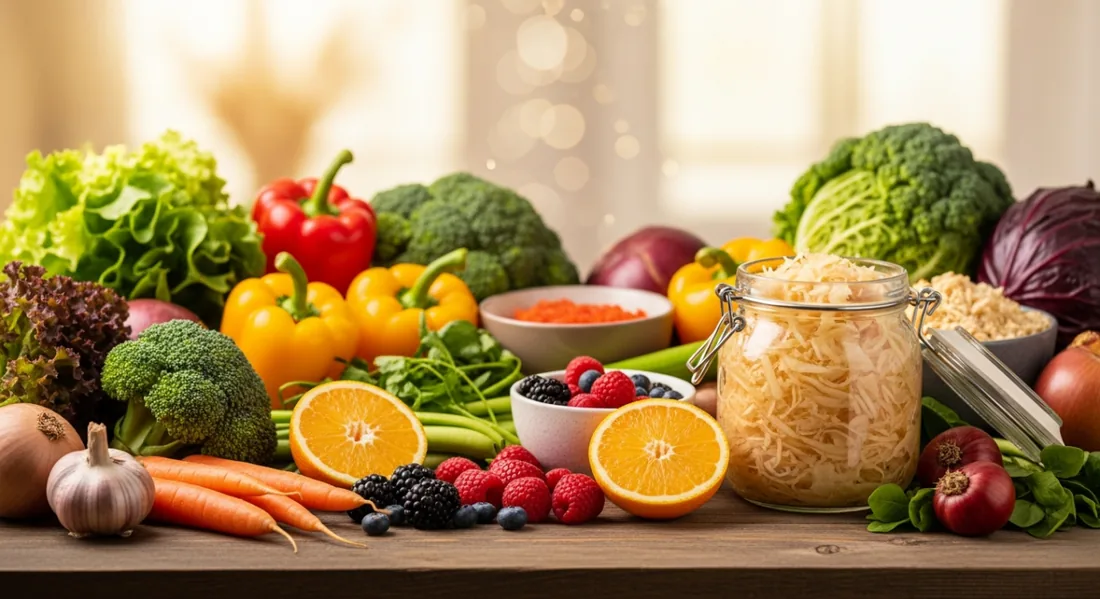
It is recommended to eat sauerkraut daily. It may seem funny, but sauerkraut contains a very wide range of minerals and vitamins. During fermentation, not only do the nutrients in cabbage increase, but their bioavailability also improves. Sauerkraut is also a source of probiotics – it improves digestion and promotes the growth of healthy intestinal flora. In the October 23, 2002 issue of the Journal of Agriculture and Food Chemistry , Finnish scientists reported that isothiocyanates produced during sauerkraut fermentation inhibit the growth of cancer cells.
It has been proven [4]that Omega 3 helps preserve muscle mass and function in cancer patients even during active treatment. Also, during chemotherapy, omega-3 fatty acids can contribute to a reduced inflammatory response. You can take supplements or eat plenty of fatty fish such as herring, mackerel, or tench.
Your best friend must become vegetables, and as many raw, unprocessed ones as possible, because you need to fill up with life – good bacteria, enzymes, fiber, probiotics, vitamins, minerals. No processed foods, only pure food. No calorie restriction, eat as much as you want and as many good (unheated) fats as possible. Make sure these products are definitely in your diet: mushrooms, nuts, berries (not jam), seeds (sunflower seeds, flaxseeds), avocado, fish. [5]Due to daily rushing and convenience, we have unconsciously started eating processed foods and drinking inferior beverages, yet real food is so delicious and there are so many recipes. It is advisable to limit only 'simple' carbohydrates. Complex carbohydrates [6] – these are sugar molecules joined into more complex chains, found in plants, often accompanied by fiber, so they do not raise blood sugar levels and are absorbed more slowly and healthily. Such real food does not need to be limited: whole grains, buckwheat, oats, nuts, potatoes, etc. Legumes are especially recommended: peas, beans, lentils, mung beans, asparagus, chickpeas, and particularly black beans, because promising studies have emerged [7] showing they contribute to DNA maintenance [8].
How to Maximally Restore the Body
The best example is probably Japan. The healthcare system strives to combine the achievements of modern medicine with treatment practices refined over centuries. This is also the case with cancer. Extracts derived from Shiitake mushrooms are prescribed for oncology. These active substances are administered before, during, and after chemotherapy. As it should be, because numerous studies have been conducted to clarify the effects of active substances extracted from Shiitake.
The 'pioneer' in this field can be considered Dr. Kisaku Mori, who founded the 'Institute of Mushroom Research' in Tokyo in 1936 (Institute of Mushroom Research). One of the first experiments was conducted on mice: mice suffering from sarcoma were treated with small doses of Shiitake extract. In 6 out of 10 mice, the tumor completely regressed. Increasing the concentration achieved 100% efficacy – the tumor regressed in all mice. The study revealing Shiitake's anti-tumor properties sparked enormous interest and a wave of subsequent research. Soon Hamuro and Chihara confirmed obtaining the same results. Thus, the first researchers, including Mori, Ikekawa, Hamuro, Chihara, Maeda, Taguchi, Nanba, Aoki and many others have indisputably proven that certain active compounds of mushrooms result in:
- Very strong cancer prevention
- Significant cancer regression rates
- High cancer regression rates in early stages of cancer
Anticancer mushroom substances
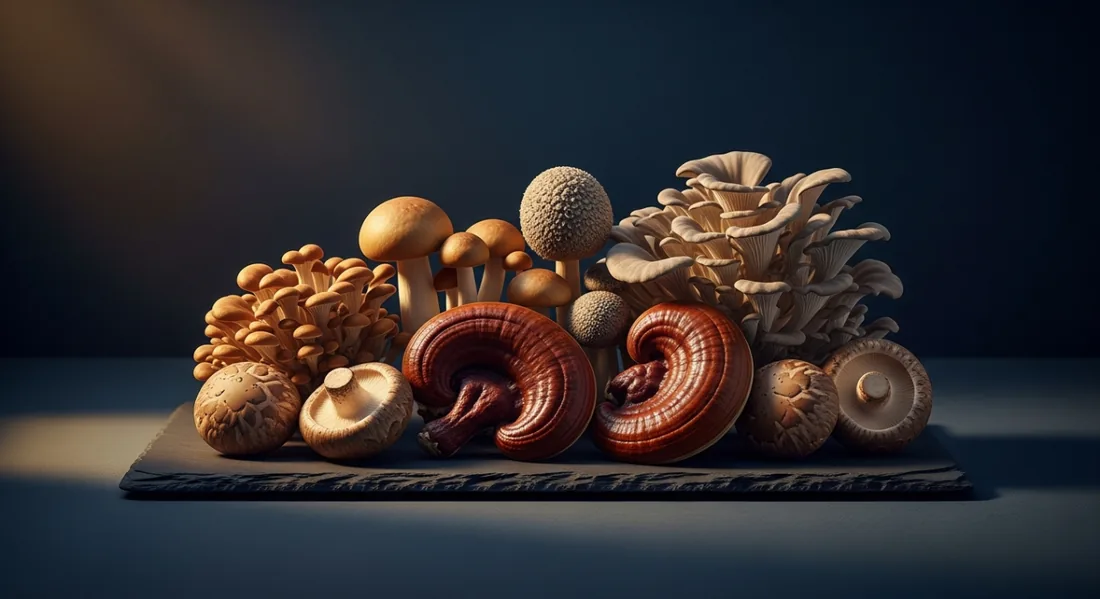
Dr. Chihara was the first to isolate the compound Lentinan from Shiitake (lat. Lentinus edodes). This polysaccharide exhibits antibacterial, antimicrobial, antiviral, anticancer, and immune-stimulating properties. It can also protect chromosomes from damage caused by anticancer drugs. This was observed in experiments with mice in Japan: when treated with this polysaccharide before chemotherapy, the white blood cell count did not decrease at all.
How Lentinan improves chemotherapy outcomes
There is not just one active compound, and many of them have various mechanisms of anticancer activity. Undoubtedly, the most important of these is the stimulation and strengthening of the immune system, which initiates immunobiological changes. Although it sounds simple, these are quite complex processes – these compounds, also called bio-modulators, influence the complex functioning of the immune system, acting both generally and directly cancer cells. One such bio-modulator is Lentinan, derived from the Shiitake mushroom. Lentinan binds to the surface of lymphocytes, activating macrophages, T-helper cells, and NK cells (natural killer cells – Natural Killer (NK) cells)). All of this increases antibody production, including interleukins (IL-2 and others) and interferon (IFN-g). Then the "attack" on altered cells begins. The activity and interaction of these cells is what we call the immune system.
What human studies have been conducted?
There are quite a few human studies on the anticancer effects of medicinal mushrooms, including strictly controlled clinical trials. Unlike cancer cell studies in laboratories or (impressive result) studies in animals, one cannot recklessly conduct experiments on humans for obvious ethical reasons... Therefore, most of the studies already conducted were carried out alongside conventional cancer treatment (chemotherapy). In these studies, the result was always the same: the anticancer substances of medicinal mushrooms are effective when used together with surgical treatment, chemotherapy, radiotherapy, and the results are much better than with conventional/standard cancer treatment alone [9]. Due to these results, such cancer treatment, combining medicinal mushroom extract with "standard" treatment, is common practice, most widespread in China and Japan. Dr. Taguchi conducted studies with 275 cancer patients. They used Lentinan together with chemotherapy for 3 months. Results:
- Statistically significantly prolongs life.
- Reduces cancer damage to the body.
- Improves the patient's immune response to cancer.
- The tumor shrinks or stops growing.
- Side effects are rare, mild, and quickly resolve.
Chemotherapy suppresses the immune system, so it requires active support. Lentinan AXT from Zenius Labs™ is a concentrated formula of polysaccharide extracts from several mushrooms, designed to strengthen the immune system during oncological diseases.
What else to take? Antioxidants
Antioxidants. One of the main causes of adverse reactions to chemotherapy, especially drugs targeting DNA, is an increased number of reactive oxygen species (oxidants). Numerous studies have been and are being conducted to reduce the number of these free radicals.
A common question has been whether antioxidants taken alongside chemotherapy diminish its effect, as they might appear to counteract each other, but in the human body, it is not so simple. After studying the effect of antioxidant use during and after chemotherapy and comparing 93 clinical trials, [10] it turned out that in 70% of cases, chemotherapy effectiveness increases, in 88% of cases, antioxidant use reduces toxicity, and in 63% of cases, survival time is prolonged.
Quite a number of substances have antioxidant properties, but not all of them are equally potent. Perhaps the most well-known antioxidant is vitamin C, but it is not the strongest. Here are several popular antioxidants, ranked from strongest compared to vitamin C:
| Antioxidant | Potency (compared to vit. C) |
|---|---|
| Astaxanthin | 6000 times stronger |
| Vitamin E | 12 times stronger |
| Coenzyme Q10 | 7.5 times stronger |
| Resveratrol | 2 times stronger |
The use of antioxidants in cancer is indisputable. Make sure that along with Lentinan you get astaxanthin.
Lentinan AXT from Zenius Labs™ combines in one formula not only the most potent mushroom polysaccharide extracts but also the maximum dose of astaxanthin. It is one of the most powerful known antioxidants, protecting cellular DNA from oxidative stress. One formula – comprehensive support.
What you need to know before buying Lentinan
Only water-based polysaccharide extracts are used. There are also ethanol (alcohol)-based extracts; this extraction method is cheaper and faster, therefore it does not yield the substances we need. Carefully read the supplement composition.
Extract amount and strength. The higher the polysaccharide content (as a percentage), the more mushrooms were needed during production to extract the active substance from the mushroom… It can be 5%, 15%, 30% (very rarely more). Naturally, 30% is 6 times more effective than 5%. The polysaccharide content must also be stated on the packaging.
Daily extract amount. The minimum recommended daily amount of 30% extract is 1200mg.
How and how much to take supplements after chemotherapy?
- The effect of Lentinan is directly dependent on the dose – the higher the dose, the greater the effectiveness.
- Side effects may occur if you are allergic to mushrooms (very rare).
- The shortest recommended usage period is 3 months (for prevention and stage 1–2 cases). For more severe conditions, longer use is recommended.
- Breaks are not recommended – consistent, uninterrupted use ensures the best results.
- The longer the extracts are used, the better the results.
Where to buy the best Lentinan supplements?
To achieve results, it is very important to use the highest quality, potent, and reliable products. You can purchase the recommended Lentinan at the Zenius Labs™ store.
Frequently asked questions
Chemotherapy is a treatment using drugs that destroy rapidly dividing cells in the body. It affects not only cancer cells but also some healthy ones, thus causing side effects. The goal of treatment is to stop or slow down tumor growth.
Yes, and it is very important. Chemotherapy strongly suppresses the immune system, making the body vulnerable. Concentrated mushroom polysaccharide extracts can help activate NK cells and macrophages. It is important to choose a concentrated multi-extract formula such as Lentinan AXT from Zenius Labs™.
A chemotherapy course typically lasts from 3 to 6 months, but may be longer. Treatment occurs in cycles – drug administration is followed by a rest period during which the body recovers.
The most common are fatigue, nausea, hair loss, loss of appetite, mouth sores, and increased susceptibility to infections. Side effects are usually temporary and subside after the treatment course is completed.
The most important factors are proper nutrition (high-quality animal fats – eggs, butter, wild fish, duck – which support hormone production and prevent weight loss during chemotherapy), adequate rest, physical activity, and immune system support. Concentrated mushroom polysaccharide formulas combined with astaxanthin can help protect cell DNA and accelerate recovery.
National Cancer Institute International Agency for Research on Cancer
- Ketogenic diets as an adjuvant cancer therapy: History and potential mechanism. PubMed
- Sugar addiction: pushing the drug-sugar analogy to the limit. PubMed
- Dietary sugars, not lipids, drive hypothalamic inflammation. PubMed
- Omega-3 fatty acids in cancer. PubMed
- Mitochondria: The ketogenic diet–A metabolism-based therapy. PubMed
- Complex carbohydrates. MedlinePlus
- Black bean (Phaseolus vulgaris L.) as a protective agent against DNA damage in mice. PubMed
- Black Bean Diet Reduces DNA Damage. Cabi.org
- Potential of Mushroom Compounds as Immunomodulators in Cancer Immunotherapy: A Review. PubMed
- Antioxidants as precision weapons in war against cancer chemotherapy induced toxicity. PubMed
- Wang H et al. Efficacy of biological response modifier lentinan with chemotherapy for advanced cancer: a meta-analysis. Cancer medicine. 2017. PubMed
- Wang Y et al. Systematic review and meta-analysis on the efficacy and safety of Injectable Lentinan combined with chemotherapy in the treatment of gastric cancer. Phytomedicine : international journal of phytotherapy and phytopharmacology. 2024. PubMed
- Yin X et al. A meta-analysis of lentinan injection combined with chemotherapy in the treatment of nonsmall cell lung cancer. Indian journal of cancer. 2015. PubMed
- Zhang D et al. Network Meta-Analysis of Chinese Herbal Injections Plus the FOLFOX Regimen for the Treatment of Colorectal Cancer in China. Integrative cancer therapies. 2019. PubMed
- Zhao C et al. Lentinan combined with cisplatin for the treatment of non-small cell lung cancer. Medicine. 2021. PubMed
- Wang Y et al. Investigation on the efficiency of lentinan for injection combining cisplatin on treating malignant pleural effusion based on systematic review and meta-analysis. Medicine. 2024. PubMed
- Sun M et al. Lentinan reduces tumor progression by enhancing gemcitabine chemotherapy in urothelial bladder cancer. Surgical oncology. 2015. PubMed
- Kataoka H et al. Lentinan with S-1 and paclitaxel for gastric cancer chemotherapy improve patient quality of life. Hepato-gastroenterology. 2009. PubMed
- Huo X et al. Lentinan Enhances the Function of Oxaliplatin on the Esophageal Tumors by Persuading Immunogenic Cell Death. Computational and mathematical methods in medicine. 2022. PubMed
- Wang JL et al. Combination therapy with lentinan improves outcomes in patients with esophageal carcinoma. Molecular medicine reports. 2012. PubMed
- Wang Z et al. Apaf1 nanoLuc biosensors identified lentinan as a potent synergizer of cisplatin in targeting hepatocellular carcinoma cells. Biochemical and biophysical research communications. 2021. PubMed
- Yagi M et al. [Provision for adverse effect of S-1 containing chemotherapy in patients with advanced digestive cancer--combination with superfine dispersed lentinan]. Gan to kagaku ryoho. Cancer & chemotherapy. 2010. PubMed
- Yoshino S et al. Improvement of QOL and prognosis by treatment of superfine dispersed lentinan in patients with advanced gastric cancer. Hepato-gastroenterology. 2010. PubMed
- Zhen C et al. Comprehensive mechanisms and advanced delivery strategies of lentinan in antitumor therapy: A review. Colloids and surfaces. B, Biointerfaces. 2026. PubMed
- Oba K et al. Efficacy of adjuvant immunochemotherapy with polysaccharide K for patients with curative resections of gastric cancer. Cancer immunology, immunotherapy : CII. 2007. PubMed
- Pilkington K et al. Coriolus (Trametes) versicolor mushroom to reduce adverse effects from chemotherapy or radiotherapy in people with colorectal cancer. The Cochrane database of systematic reviews. 2022. PubMed
- Ito G et al. Correlation between efficacy of PSK postoperative adjuvant immunochemotherapy for gastric cancer and expression of MHC class I. Experimental and therapeutic medicine. 2012. PubMed
- Tanaka H et al. Impact of adjuvant immunochemotherapy using protein-bound polysaccharide-K on overall survival of patients with gastric cancer. Anticancer research. 2012. PubMed
- Gringhuis SI et al. Dectin-1 directs T helper cell differentiation by controlling noncanonical NF-kappaB activation through Raf-1 and Syk. Nature immunology. 2009. PubMed
- Lu H et al. TLR2 agonist PSK activates human NK cells and enhances the antitumor effect of HER2-targeted monoclonal antibody therapy. Clinical cancer research : an official journal of the American Association for Cancer Research. 2011. PubMed
- Amino M et al. [Studies on the effect of lentinan on human immune system. II. In vivo effect on NK activity, MLR induced killer activity and PHA induced blastic response of lymphocytes in cancer patients]. Gan to kagaku ryoho. Cancer & chemotherapy. 1983. PubMed
- Patchen ML et al. In vitro and in vivo hematopoietic activities of Betafectin PGG-glucan. Experimental hematology. 1998. PubMed
- Hamano K et al. The preoperative administration of lentinan ameliorated the impairment of natural killer activity after cardiopulmonary bypass. International journal of immunopharmacology. 1999. PubMed
- Shalaby AM et al. The possible role of astaxanthin in cisplatin-induced nephrotoxicity in rats: interplay between non-coding RNA, redox state, inflammation, and ferroptosis: a histological, immunohistochemical, and biochemical study. Journal of molecular histology. 2026. PubMed
- Krestinin R et al. Astaxanthin Protects Against H(2)O(2)- and Doxorubicin-Induced Cardiotoxicity in H9c2 Rat Myocardial Cells. Life (Basel, Switzerland). 2024. PubMed
- El-Agamy SE et al. Astaxanthin Ameliorates Doxorubicin-Induced Cognitive Impairment (Chemobrain) in Experimental Rat Model: Impact on Oxidative, Inflammatory, and Apoptotic Machineries. Molecular neurobiology. 2018. PubMed
- Bonet IJM et al. Second messengers mediating high-molecular-weight hyaluronan-induced antihyperalgesia in rats with chemotherapy-induced peripheral neuropathy. Pain. 2022. PubMed
- Laderian A et al. Hepatoprotective effect of astaxanthin against cholestasis liver fibrosis induced by bile duct ligation in adult Wistar rats. Journal of biochemical and molecular toxicology. 2024. PubMed
- Yu X et al. Astaxanthin Ameliorates Skeletal Muscle Atrophy in Mice With Cancer Cachexia. Nutrition and cancer. 2024. PubMed
- Saini RK et al. Dietary carotenoids in cancer chemoprevention and chemotherapy: A review of emerging evidence. Pharmacological research. 2020. PubMed
- Ma Y et al. Can polysaccharide K improve therapeutic efficacy and safety in gastrointestinal cancer? a systematic review and network meta-analysis. Oncotarget. 2017. PubMed
- Cotte AK et al. Lysophosphatidylcholine acyltransferase 2-mediated lipid droplet production supports colorectal cancer chemoresistance. Nature communications. 2018. PubMed
- Zou X et al. Radioprotective effect of edible and medicinal mushrooms against ionizing radiation: Components, potential mechanisms, and applications. Food research international (Ottawa, Ont.). 2025. PubMed