- Dietary cholesterol has minimal impact on blood cholesterol levels for most people; the liver regulates production based on intake [1].
- Inflammation caused by sugar and refined carbohydrates is the primary driver of arterial damage, not saturated fat [2].
- Seed oils (vegetable oils) are prone to oxidation and may contribute significantly to cardiovascular inflammation [3].
- Nutrient-dense foods like eggs, organ meats, and fatty fish provide essential lipids for cellular repair and hormonal health [4].
Why Your Doctor's Advice Might Be Harmful
Let me guess. You were told to ditch eggs, butter, and red meat in favor of lean chicken breast, whole grain bread, and margarine. This is 50-year-old dogma that has long since crumbled under the weight of modern biochemistry, yet somehow, it remains deeply entrenched in medical textbooks. It is time to uproot it.
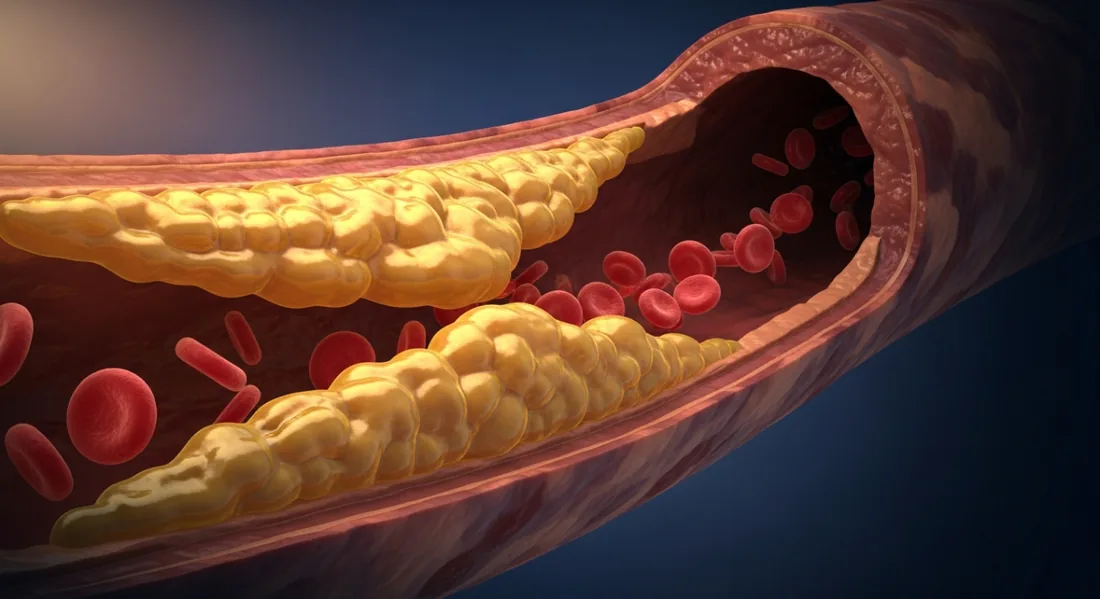
Here is the reality: cholesterol levels in your blood are almost entirely independent of how much fat you eat. Your liver produces about 80% of your total cholesterol endogenously. Dietary intake accounts for a measly 15-20% [1]. Do you understand the absurdity here? You torture yourself eating tasteless cardboard, while your body simply synthesizes the missing amount itself. Why does it do this?
Because cholesterol is not the enemy. It is the firefighter. When a fire (inflammation) breaks out in your body, the liver sends cholesterol to "put it out" and repair the damage. High cholesterol in the blood does not mean you are eating too much of it; it means something inside you is constantly burning. The real question is: who started the fire?
The answer is sugar and processed carbohydrates. Imagine your cellular power plants—the mitochondria. When you burn sugar (glucose), it is like throwing wet wood into a furnace. Lots of smoke, very little heat. That "smoke" consists of reactive oxygen species (ROS) or free radicals that damage cells and trigger inflammation [2]. Conversely, burning fat is like using dry, seasoned hardwood—it burns clean, hot, and smokeless.
It gets worse. Sugar literally sticks to your proteins and blood vessel walls. This is called glycation. Imagine chewing gum stuck to the sole of your shoe. These are Advanced Glycation End-products (AGEs), and they cause chaos and vascular inflammation [5]. This is the real fire! Yet, your doctor suggests you throw away the dry wood (fats) and keep burning the wet logs (grains, bread, sugar).
The Blacklist: What Not to Eat
Enough theory. Let's get practical. Here is the list of products you must forget if you want real physiological changes, not just a statistical error on a lab report. This is not a time for compromise. It is time to take out the trash.
| Product | Why It's Harmful | Replacement |
|---|---|---|
| Sugar & Fast Carbs (Sweets, juice, white bread, pasta) |
The primary source of inflammation. They convert to AGEs, spike insulin, and force the liver to produce triglycerides and VLDL cholesterol [6]. | Eliminate. Satisfy sweet cravings with berries (in moderation). |
| Seed Oils (Sunflower, canola, soybean, corn) |
Rich in Omega-6 polyunsaturated fats which oxidize easily when heated, turning into inflammatory compounds [3]. Found in almost all processed foods. | Butter, ghee, coconut oil, tallow, lard for cooking. Olive oil—ONLY cold/raw. |
| Trans Fats (Margarine, hydrogenated oils) |
This is plastic, not food. Artificial fats that directly damage endothelial lining and are a primary driver of atherosclerosis [7]. | Butter. Period. |
| Grains (Especially wheat) |
Gluten and lectins increase intestinal permeability. A "leaky" gut allows undigested particles into the bloodstream, triggering autoimmune responses and systemic inflammation [8]. | No substitutes needed. You don't need bread to survive. If desperate: almond or coconut flour bakes. |
| Processed Meat (Sausages, cheap salami) |
The problem isn't the meat; it's the nitrates, sugar, fillers, and chemical factory additives. This is a food-like product, not food. | Real meat: steak, chops, pork belly. Cook it yourself. |
| Pasteurized, Homogenized Milk | Processing denatures proteins and can make casein inflammatory for many adults. | Fermented dairy (kefir, yogurt), aged cheese, heavy cream, butter. Or just drink water. |
| "Heart Healthy" Margarines (Enriched with phytosterols) |
Plant sterols block cholesterol absorption, which sounds good until you realize high levels of plant sterols in the blood are themselves atherogenic [9]. Avoid like the plague. | Eat real food. |
What You Should Actually Eat
Once the garbage is out, it is time to fill the fridge with real, nutrient-dense, and frankly, delicious food. Forget calorie counting. Eat when you are hungry, until you are satiated. Your body knows when to stop when you feed it what it actually needs.
Here is your new shopping list. Eat this and watch how managing cardiovascular health stops being torture and starts being a pleasure.
| Product | Benefit | Note |
|---|---|---|
| Eggs | Nature's multivitamin. Packed with choline (for the brain), vitamins A, D, E, K2, and selenium. Dietary cholesterol in yolks has negligible impact on blood cholesterol [1]. | YES, WITH THE YOLKS! Eat 3-4 a day. Choose free-range or pasture-raised. |
| Butter & Ghee | Stable saturated fats, ideal for cooking. Rich in fat-soluble vitamins. Butyrate in butter nourishes your gut lining [10]. | Choose the highest fat content possible (82%+). Ghee is excellent for those sensitive to dairy proteins. |
| Fatty Fish (Wild salmon, mackerel, sardines) |
Potent source of Omega-3s (EPA and DHA). The strongest natural anti-inflammatory agent. Lowers triglycerides and improves endothelial function [11]. | Eat at least 2-3 times a week. Canned sardines (in water or olive oil)—cheap and effective. |
| Meat (Especially grass-fed ruminants) |
The most bioavailable source of iron, zinc, B12, and creatine. Fatty meat provides stable energy and complete amino acids. | Don't fear the fat—ribeye, lamb, pork belly. Your liver will thank you. |
| Organ Meats (Liver, heart) |
Nutritional powerhouses. Liver contains more nutrients gram-for-gram than any fruit or vegetable. Copper, Vitamin A, B-complex—all in one place [4]. | 100g per week is sufficient. If you hate the taste, grind it into ground beef. |
| Fermented Foods (Sauerkraut, pickles, kefir) |
Probiotics that restore gut flora diversity. A healthy gut = less systemic inflammation. | Choose naturally fermented, unpasteurized, without vinegar or added sugar. Read the label! |
| Avocados & Olive Oil | Excellent sources of monounsaturated fats and potassium. Reduces oxidative stress and helps protect LDL particles from oxidation [12]. | Olive oil—extra virgin only, for salads. NEVER cook with it at high heat. |
Hidden Cholesterol Triggers No One Tells You About
Sometimes, even after perfectly cleaning up your diet, your lipid panel refuses to budge. Why? Because the fire can be stoked by more than just food. Your body is a complex system where everything is interconnected. Here are the "secret agents" sabotaging your efforts.
Gluten—and not just Celiac disease. The wheat protein gliadin has a property many doctors ignore. Gliadin stimulates the release of zonulin in the intestinal wall—and this happens in EVERYONE, not just Celiacs. Zonulin acts as a "key" that unlocks the tight junctions between intestinal cells. When these gates open, undigested food particles and bacterial fragments leak into the bloodstream. The immune system identifies them as threats and launches a systemic inflammatory response [8]. This is "Leaky Gut." When inflammation becomes chronic, the liver responds by producing more cholesterol to patch the damage. Your daily bread could be directly driving your cholesterol numbers.
Seed Oils. I will repeat this because it is critical. They are hiding EVERYWHERE: store-bought mayonnaise, salad dressings, hummus, canned foods, restaurant meals. You might cook with butter at home but consume a cup of oxidized canola oil during a business lunch. Read labels. Cook at home.
Environmental Toxins. Plastics (BPA), phthalates in cosmetics, pesticides on vegetables. These chemicals act as endocrine disruptors, causing hormonal chaos and liver stress [13]. Drink filtered water, use glass containers, and choose cleaner personal care products.
Silent Infections. Chronic gum inflammation (periodontitis), untreated root canals, or gut dysbiosis. These are constant sources of inflammatory cytokines that force the liver into cholesterol-production overdrive [14]. Fix your teeth and your gut.
Stress. Chronic stress equals chronically high cortisol. Cortisol raises blood sugar (even if you haven't eaten any!) and directly stimulates lipid synthesis in the liver. Learn to decompress: walking, meditation, deep breathing. This is not a luxury; it is a physiological necessity for anxiety and stress management.
Why Diet Alone Sometimes Isn't Enough
Okay, you changed your diet. You feel better, you have more energy. But after 3 months, the labs show only minor improvement. Disappointed? Don't be. Imagine you poured the wrong fuel into your car for 30 years. Does one tank of premium fuel suddenly fix the engine wear?
The damage is cumulative. The liver is exhausted, endothelial walls are damaged, and inflammatory pathways are entrenched. Diet stops further damage and gives the body a fighting chance. But sometimes, it needs exogenous help to accelerate repair.
This is where mainstream medicine usually steps in with statins. Statins block cholesterol production in the liver. Returning to our metaphor: this is like shooting the firefighters. Yes, statistically the number of fires (heart attacks) might drop slightly in high-risk groups, but the fire itself (inflammation) remains, smoldering under the ashes. Furthermore, statins deplete CoQ10, a vital nutrient for heart muscle function [15].
Instead of blocking a symptom, we must help the body restore balance. We need tools that work systemically: reducing inflammation, supporting liver function, and protecting blood vessels from oxidative stress. This is where nature's pharmacy often outperforms synthetic blockade.
Certain medicinal functional mushrooms, used for millennia, operate through multiple harmonious pathways. They don't just hammer one enzyme; they modulate the immune system and lipid metabolism. For example, polysaccharides from Auricularia auricula-judae (Wood Ear mushroom) have been shown to inhibit HMG-CoA reductase (the same target as statins) but without the severe side effects, while simultaneously reducing oxidative stress [16].
Products like AURI 25 by Zenius Labs™ use Auricularia auricula-judae to support healthy lipid metabolism and vascular integrity.
Supplements for cholesterol work best when they hit more than one pathway. AURI 25 combines Auricularia and Pleurotus mushroom polysaccharides with policosanol and monacolin K — the same HMG-CoA reductase enzyme statins target, studied for lowering total cholesterol.
AURI 25 by Zenius Labs™ →Frequently Asked Questions
No. Butter is a stable saturated fat containing beneficial nutrients like butyrate. The real danger lies in trans fats (margarine) and oxidized vegetable oils [3].
Unprocessed meat does not. The issue is processed meats loaded with preservatives and sugar. Fresh meat is a vital source of bioavailable nutrients [4].
Medical guidelines change slowly. Many practitioners are still following outdated protocols established in the 1970s, despite modern evidence contradicting the diet-heart hypothesis.
You may see changes in inflammatory markers in 4-8 weeks, but stabilizing lipid panels often takes 3-6 months. If metabolic damage is severe, it may take longer.
- Fernandez M. L. (2012). Dietary cholesterol provided by eggs and plasma lipoproteins in healthy populations. Current opinion in clinical nutrition and metabolic care. PubMed
- DiNicolantonio, J. J., & O'Keefe, J. H. (2018). Added sugars drive coronary heart disease via insulin resistance and hyperinsulinaemia. Open heart. PubMed
- DiNicolantonio, J. J., & O'Keefe, J. H. (2018). Omega-6 vegetable oils as a driver of coronary heart disease: the oxidized linoleic acid hypothesis. Open heart. PubMed
- Williams, P. (2007). Nutritional composition of red meat. Nutrition & dietetics. PubMed
- Goldin, A., et al. (2006). Advanced glycation end products: sparking the development of diabetic vascular injury. Circulation. PubMed
- Stanhope, K. L. (2016). Sugar consumption, metabolic disease and obesity: The state of the controversy. Critical reviews in clinical laboratory sciences. PubMed
- Mozaffarian, D., et al. (2006). Trans fatty acids and cardiovascular disease. The New England journal of medicine. PubMed
- Fasano A. (2020). All disease begins in the (leaky) gut: role of zonulin-mediated gut permeability in the pathogenesis of some chronic inflammatory diseases. F1000Research. PubMed
- Weingärtner, O., et al. (2008). Vascular effects of diet supplementation with plant sterols. Journal of the American College of Cardiology. PubMed
- Guilloteau, P., et al. (2010). From the gut to the peripheral tissues: the multiple effects of butyrate. Nutrition research reviews. PubMed
- Calder P. C. (2017). Omega-3 fatty acids and inflammatory processes: from molecules to man. Biochemical Society transactions. PubMed
- Covas, M. I., et al. (2006). The effect of polyphenols in olive oil on heart disease risk factors: a randomized trial. Annals of internal medicine. PubMed
- Gore, A. C., et al. (2015). EDC-2: The Endocrine Society's Second Scientific Statement on Endocrine-Disrupting Chemicals. Endocrine reviews. PubMed
- Schenkein, H. A., & Loos, B. G. (2013). Inflammatory mechanisms linking periodontal diseases to cardiovascular diseases. Journal of periodontology. PubMed
- Okuyama, H., et al. (2015). Statins stimulate atherosclerosis and heart failure: pharmacological mechanisms. Expert review of clinical pharmacology. PubMed
- Reza, M. A., et al. (2015). Hypolipidemic and antioxidant effects of Auricularia auricula-judae ethanolic extract in hyperlipidemic rats. Biotechnology and Bioprocess Engineering. (DOI-linked study, widely cited in ethnomycology). PubMed