- Lęk to grupa zaburzeń (zaburzenia paniczne, lęk społeczny, zaburzenia lękowe uogólnione, fobie), dotykająca 2,5–7% osób — których wspólną cechą jest wyczerpujący strach i poczucie niepewności.
- Jego źródłem jest równowaga między dwoma neuroprzekaźnikami: glutaminianem (działa pobudzająco) a GABA (działa uspokajająco); w przypadku przewlekłego lęku glutaminian dominuje nad GABA.
- Najpierw styl życia: ogranicz spożycie cukru, rafinowanych węglowodanów i substancji pobudzających, popraw jakość snu; obecnie trwają badania nad dietą ketogeniczną pod kątem jej potencjalnego wpływu na podwyższenie poziomu GABA.
- Badane są dwa związki naturalne: witeksyna (modulator GABA-A, brak zależności) oraz Hericium erinaceus / Lion’s Mane (neuroregeneracja, NGF).
Czym jest lęk
Jeśli szukasz odpowiedzi na to pytanie, prawdopodobnie już osobiście zetknąłeś się z cieniem niepokoju. Chociaż stan ten nie jest trudny do zdefiniowania, o wiele ważniejsze jest zrozumienie jego źródła. Gdy już zorientujemy się, co wywołuje niepokój, możemy znaleźć naturalne sposoby na przywrócenie wewnętrznego spokoju – tego poczucia swobody, które wielu z nas pamięta z dzieciństwa, kiedy świat nie wydawał się jeszcze tak skomplikowany. Nasza równowaga neurologiczna często zmienia się bardzo powoli. Jest to proces trwający lata, więc zmiany są trudne do zauważenia. Najczęściej zastanawiamy się nad tym dopiero wtedy, gdy nagle ataki paniki uderzą lub gdy codzienne życie ogarnia nieustanne poczucie niepokoju.
Różnorodność zaburzeń lękowych
Warto zrozumieć, że lęk nie jest jednym stanem — to cała grupa różnych zaburzeń. Obejmuje ona ataki paniki, lęk społeczny, lęk przed rozłąką, fobie oraz, być może najczęściej występujące, zaburzenie lękowe uogólnione. Chociaż diagnozy się różnią, łączy je jeden wspólny mianownik: wyczerpujące uczucie strachu i niepewności. Lęk dotyka od 2,5% do 7% osób, w zależności od kraju.2
Dlaczego pojawia się niepokój?
Prawidłowe funkcjonowanie mózgu zależy od równowagi między dwoma neuroprzekaźnikami (nośnikami informacji). Układ ten sam się reguluje dzięki działaniu dwóch głównych sił — wyobraź sobie wagę, która nieustannie dąży do osiągnięcia równowagi.8 Dwa kluczowe neuroprzekaźniki to glutaminian i GABA, które działają w sposób przeciwstawny: glutaminian pobudza,9 podczas gdy GABA hamuje.10 To właśnie zapewnia nam równowagę psychiczną. Gdy glutaminian dominuje nad GABA, skutkiem tego jest stan nadmiernego pobudzenia i niepokoju, który odczuwamy jako lęk.
Co powoduje wzrost poziomu glutaminianu w mózgu
Aby opanować niepokój, nie wystarczy wprowadzać nowych nawyków — najpierw trzeba wyeliminować to, co nieustannie pobudza układ nerwowy. Główny cel: zrównoważyć poziom glutaminianu (neuroprzekaźnika pobudzającego) i GABA (neuroprzekaźnika uspokajającego). Z czego należy zrezygnować lub co zdecydowanie ograniczyć: Cukier i szybkie węglowodany — słodycze, wypieki, słodkie napoje, a nawet nadmierne spożycie słodkich owoców powodują gwałtowne skoki poziomu insuliny, które mają bezpośredni wpływ na wahania nastroju.14 Nadmiar substancji pobudzających, słaba jakość snu i przewlekły stres także utrzymują wysoki poziom glutaminianu. Wskazówka: znacznie skuteczniej dostarczaj sobie witamin i minerałów, sięgając po ciemnozielone warzywa liściaste.
Jak przywrócić spokój: aktywacja GABA
Jeśli glutaminian jest „pedałem gazu” mózgu, to GABA (kwas gamma-aminomasłowy) jest jego „hamulcem”. Aby pokonać lęk, musimy uruchomić te hamulce — poprzez zmiany stylu życia i substancje pochodzenia naturalnego. Dieta ketogeniczna pomaga zwalczać lęk i zwiększa poziom GABA.53 Dla osób stosujących tę dietę niskowęglowodanową oznacza to więc nie tylko pomoc w radzeniu sobie z lękiem, ale także poprawę pamięci i funkcji poznawczych. Coraz więcej specjalistów zaleca zmianę diety jako pierwszy krok przed rozpoczęciem leczenia farmakologicznego.54
Naturalne substancje łagodzące niepokój
Jeśli zmiany stylu życia nie wystarczą, natura oferuje dwa silnie działające związki, które pod względem skuteczności mogą rywalizować z lekami, nie powodując przy tym skutków ubocznych. Istnieje wystarczająco dużo badań, aby nakreślić obraz ich imponującego wpływu na mózg, dlatego osobom pragnącym zrównoważyć aktywność mózgu i żyć spokojnie w obliczu ogromnego napływu informacji w codziennym życiu zaleca się stosowanie obu tych składników łącznie. Są to flawonoid witeksyna oraz grzyb leczniczy Hericium erinaceus (Lion's Mane).
Vitexin — naturalny eliksir spokoju
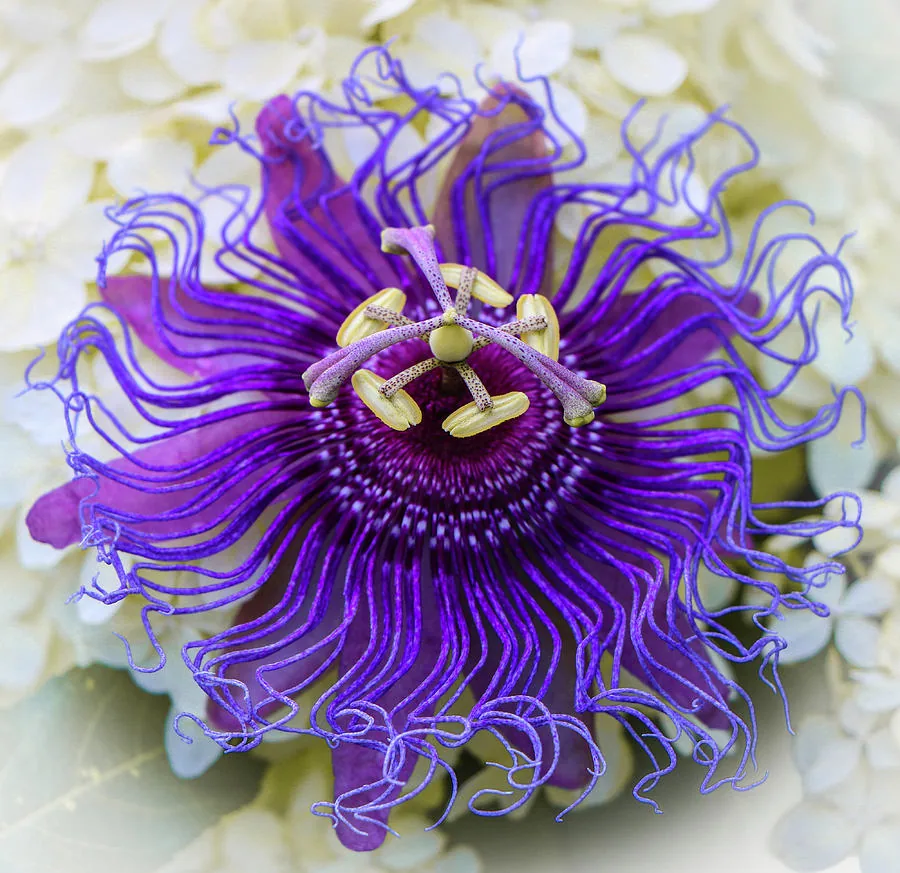
Od fasoli mung po kaszę gryczaną – witeksyna to przeciwutleniacz występujący w wielu roślinach, stosowany jako środek leczniczy na różnych kontynentach od czasów starożytnych.64 Ten flawonoid, który znalazł się pod lupą naukowców, naprawdę zaskoczył badaczy swoim niezwykle szerokim działaniem farmakologicznym.65 Badane są jego właściwości przeciwutleniające i przeciwzapalne, a także neuroprotekcyjne, przeciwskurczowe i inne.66 Z naukowego punktu widzenia witeksyna jest klasyfikowana jako glikozyd flawonu apigeniny, występujący w liściach bambusa, passiflory, gryki, lawendy, fasoli mung i wielu innych roślinach. Jednak spożywanie tych produktów nie wystarcza do uzyskania znaczącej ilości tej substancji — konieczne są silne, wyspecjalizowane ekstrakty. Witeksyna jest obecnie badana pod kątem potencjalnego oddziaływania poprzez szlak receptorowy GABA-A w sposób porównywalny do benzodiazepin, jednak jako modulator, a nie środek hamujący — dlatego też bada się jej potencjalną rolę w zmniejszaniu lęku bez ryzyka sedacji lub uzależnienia.
Hericium erinaceus (Lion's Mane) — środek wspomagający regenerację mózgu
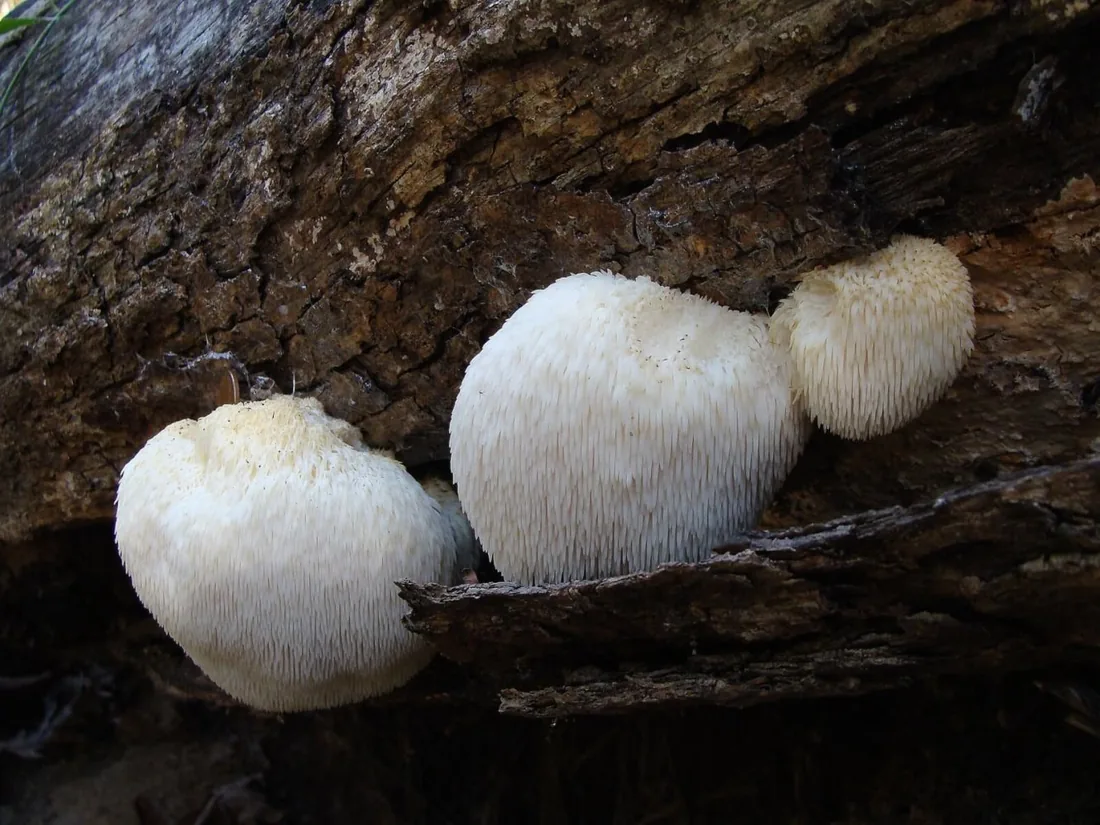
H. erinaceus to grzyb leczniczy o wyjątkowo rzadkich właściwościach, nazywany „grzybem mózgowym”. Jego ekstrakt jest badany pod kątem szczególnej skuteczności w łagodzeniu uczucia niepokoju. Regeneracja neuronów: Badania dotyczą jego potencjalnej roli w stymulowaniu czynnika wzrostu nerwów (NGF) — w próbkach ludzkich neuronów ekstrakt z tego grzyba skutecznie zwiększył wzrost neurytów o 60,6%.86 W badaniach analizuje się również jego rolę we wspieraniu nastroju i funkcji poznawczych. Aby uzyskać pożądany efekt, istotne znaczenie mają odpowiedni rodzaj ekstraktu, jego ilość oraz stężenie.
Witeksyna jest obecnie badana pod kątem swojej potencjalnej roli w oddziaływaniu poprzez szlak GABA-A, podobnie jak benzodiazepiny, ale jako modulator, bez ryzyka uzależnienia – zweryfikowano to w ponad 80 badaniach klinicznych.
Vitexin 90 autorstwa Zenius Labs™ →Lęk jest naturalną reakcją mózgu na zagrożenie, regulowaną przez równowagę między GABA a glutaminianem. Problem pojawia się, gdy system ten jest chronicznie aktywowany bez rzeczywistego zagrożenia. Współczesne czynniki — stres, zły sen, nadmiar rafinowanych węglowodanów — nieustannie podnoszą poziom glutaminianu i obniżają aktywność GABA, powodując stan przewlekłego lęku.
Niektóre związki roślinne są przedmiotem badań klinicznych. Badania nad witeksyną (pochodzącą z Passiflora incarnata) koncentrują się na jej potencjalnym działaniu poprzez receptory GABA-A w sposób porównywalny do benzodiazepin, ale bez ryzyka uzależnienia. Zjawisko to zostało zbadane w różnych grupach pacjentów w ramach ponad 80 badań klinicznych. Wszelkie działania należy zawsze omówić z pracownikiem służby zdrowia.
Leki uspokajające na receptę (benzodiazepiny) bezpośrednio hamują działanie ośrodkowego układu nerwowego i mogą powodować uzależnienie, zaburzenia pamięci oraz spowolnienie ruchowe. Badania nad Vitexin 90 firmy Zenius Labs™ mają na celu określenie jego potencjalnej roli w działaniu poprzez ten sam szlak receptorowy GABA-A, jednak jako modulatora, a nie środka hamującego — badany jest pod kątem zmniejszania lęku bez wywoływania sedacji lub uzależnienia. Niniejszy tekst ma charakter informacyjny i nie stanowi porady medycznej.
Łagodny lęk sytuacyjny może ustąpić. Jednak przewlekły lęk związany ze zmianami neurochemicznymi zazwyczaj nie ustępuje bez odpowiedniej interwencji — a z czasem może się nasilać. Ważne jest, aby wcześnie zająć się przyczyną (sen, dieta, aktywność fizyczna, wsparcie GABA), zamiast czekać, aż objawy się pogorszą. W razie potrzeby należy zwrócić się o profesjonalną pomoc.
Nie, ale często występują razem. Lęk to nadmierna aktywacja i strach; depresja to wyczerpanie emocjonalne i energetyczne. Oba stany wiążą się z zaburzeniami równowagi GABA/serotoniny, dlatego też bada się wpływ niektórych środków (takich jak ekstrakt z Passiflora incarnata) na oba te stany.
Przewlekły niepokój może z czasem wyrządzić szkodę: powoduje wzrost poziomu kortyzolu, osłabia układ odpornościowy i zwiększa ryzyko chorób sercowo-naczyniowych. Krótkotrwały niepokój jest zjawiskiem normalnym, a nawet pożytecznym. Problem pojawia się, gdy staje się on stałym elementem życia — dlatego ważne jest, aby nie pozostawiać go bez uwagi.
- Moreno-Agostino D et al. Characterising patterns of health behaviours in middle-aged and older adults. BMC Public Health. 2020. biomedcentral.com
- Missing: https://www.who.int/news-room/fact-sheets/detail/anxiety-disorders
- Missing: https://presse.inserm.fr/en/benzodiazepine-use-and-dementia-in-the-over-65s/47631/
- Missing: https://www.researchgate.net/publication/396450394_The_Use_of_Benzodiazepines_in_the_Elderly_Population_Epidemiology_Risks_and_Withdrawal_Management
- Miczke A et al. GABA and anxiety: IntechOpen chapter. IntechOpen. intechopen.com
- Gibson GR et al. Dietary prebiotics: current status and new definition. J Nutr. 2010. oup.com
- Nuss P. Anxiety disorders and GABA neurotransmission: a disturbance of modulation. Neuropsychiatric disease and treatment. 2015. PubMed Central
- Nutrients and neurotransmitters: IntechOpen chapter. IntechOpen. intechopen.com
- American Addiction Centers. Long-term effects of Xanax use. AmericanAddictionCenters.org. americanaddictioncenters.org
- MedlinePlus. Alprazolam (Xanax) drug information. MedlinePlus (NIH). medlineplus.gov
- Wang C et al. Glucose inhibits GABA release by pancreatic beta-cells through an increase in GABA shunt activity. Am J Physiol Endocrinol Metab. 2006. PubMed
- Levin BE et al. Regulation of energy homeostasis by peripheral signals. Am J Physiol Regul Integr Comp Physiol. 2017. physiology.org
- Kose J et al. A Comparison of Sugar Intake between Individuals with High and Low Trait Anxiety: Results from the NutriNet-Santé Study. Nutrients. 2021. PubMed
- Alasmari F. Caffeine induces neurobehavioral effects through modulating neurotransmitters. Saudi Pharm J. 2020. PubMed
- John J et al. Caffeine promotes glutamate and histamine release in the posterior hypothalamus. American journal of physiology. Regulatory, integrative and comparative physiology. 2014. PubMed Central
- Solinas M et al. Caffeine induces dopamine and glutamate release in the shell of the nucleus accumbens. The Journal of neuroscience : the official journal of the Society for Neuroscience. 2002. PubMed Central
- Psychology Today. Anxiety and social media use. PsychologyToday.com. 2020. psychologytoday.com
- Shensa A et al. Social Media Use and Depression and Anxiety Symptoms: A Cluster Analysis. American journal of health behavior. 2018. PubMed Central
- Harvard Graduate School of Education. Social media and teen anxiety. Harvard GSE. 2017. gse.harvard.edu
- Vannucci A et al. Social media use and anxiety in emerging adults. Scand J Psychol. 2017. wiley.com
- Onaolapo OJ et al. Monosodium glutamate-associated alterations in open field, anxiety-related and conditioned place preference behaviours in mice. Naunyn Schmiedebergs Arch Pharmacol. 2017. PubMed
- Ureña-Guerrero ME et al. Excitotoxic neonatal damage induced by monosodium glutamate reduces several GABAergic markers in the cerebral cortex and hippocampus in adulthood. Int J Dev Neurosci. 2009. PubMed
- Quines CB et al. Monosodium glutamate, a food additive, induces depressive-like and anxiogenic-like behaviors in young rats. Life Sci. 2014. PubMed
- Porcelli B et al. Celiac and non-celiac gluten sensitivity: a review on the association with schizophrenia and mood disorders. Auto Immun Highlights. 2014. PubMed
- Casella G et al. Mood disorders and non-celiac gluten sensitivity. Minerva Gastroenterol Dietol. 2017. PubMed
- Losurdo G et al. Extra-intestinal manifestations of non-celiac gluten sensitivity: An expanding paradigm. World J Gastroenterol. 2018. PubMed
- Addolorato G et al. Anxiety and depression in celiac disease. Intern Emerg Med. 2014. springer.com
- Verywell Health. Gluten-related neurological symptoms. VeryWellHealth.com. verywellhealth.com
- WHO Europe. Alcohol use and mental health. WHO. 2018. euro.who.int
- Norwitz NG et al. Nutrition as Metabolic Treatment for Anxiety. Front Psychiatry. 2021. PubMed
- Bear TLK et al. The Role of the Gut Microbiota in Dietary Interventions for Depression and Anxiety. Adv Nutr. 2020. PubMed
- Firth J et al. Food and mood: how do diet and nutrition affect mental wellbeing?. BMJ. 2020. PubMed
- Adan RAH et al. Nutritional psychiatry: Towards improving mental health by what you eat. Eur Neuropsychopharmacol. 2019. PubMed
- Marx W et al. Nutritional psychiatry: the present state of the evidence. Proc Nutr Soc. 2017. PubMed
- Chao L et al. Effects of Probiotics on Depressive or Anxiety Variables in Healthy Participants Under Stress Conditions or With a Depressive or Anxiety Diagnosis: A Meta-Analysis of Randomized Controlled Trials. Front Neurol. 2020. PubMed
- Sun LJ et al. Gut hormones in microbiota-gut-brain cross-talk. Chin Med J (Engl). 2020. PubMed
- Luna RA et al. Gut brain axis: diet microbiota interactions and implications for modulation of anxiety and depression. Curr Opin Biotechnol. 2015. PubMed
- Evrensel A et al. Immune-Kynurenine Pathways and the Gut Microbiota-Brain Axis in Anxiety Disorders. Adv Exp Med Biol. 2020. PubMed
- Martin CR et al. The Brain-Gut-Microbiome Axis. Cell Mol Gastroenterol Hepatol. 2018. PubMed
- Schmidt K et al. Prebiotic intake reduces the waking cortisol response and alters emotional bias in healthy volunteers. Psychopharmacology (Berl). 2015. PubMed
- Simpson CA et al. The gut microbiota in anxiety and depression. Front Psychiatry. 2018. frontiersin.org
- Rieder R et al. Microbes and mental health: A review. Brain Behav Immun. 2017. PubMed
- Messaoudi M et al. Beneficial psychological effects of a probiotic formulation (Lactobacillus helveticus R0052 and Bifidobacterium longum R0175) in healthy human volunteers. Gut Microbes. 2011. PubMed
- Steenbergen L et al. A randomized controlled trial to test the effect of multispecies probiotics on cognitive reactivity to sad mood. Brain Behav Immun. 2015. PubMed
- Taylor AM et al. A review of dietary and microbial connections to depression, anxiety, and stress. Nutr Neurosci. 2020. PubMed
- Dahl WJ et al. Dietary fibre and gut microbiome interactions. Nature Scientific Reports. 2021. nature.com
- New Brain Nutrition. Can prebiotics treat anxiety and depression?. NewBrainNutrition.com. newbrainnutrition.com
- Kao AC et al. The Influence of Prebiotics on Neurobiology and Behavior. Int Rev Neurobiol. 2016. PubMed
- Szklany K et al. Supplementation of dietary non-digestible oligosaccharides from birth onwards improve social and reduce anxiety-like behaviour in male BALB/c mice. Nutr Neurosci. 2020. PubMed
- Diabetes.co.uk. Ketogenic diet and mental health. Diabetes.co.uk. diabetes.co.uk
- Włodarczyk A et al. Ketogenic Diet: A Dietary Modification as an Anxiolytic Approach?. Nutrients. 2020. PubMed Central
- Kandola A et al. Exercise and Anxiety. Adv Exp Med Biol. 2020. PubMed
- Streeter CC et al. Yoga Asana sessions increase brain GABA levels: a pilot study. J Altern Complement Med. 2007. PubMed
- Hayasaka S et al. Effects of charcoal kiln saunas (Jjimjilbang) on psychological states. Complement Ther Clin Pract. 2008. PubMed
- Cain T et al. Effects of cold-water immersion on health and wellbeing: A systematic review and meta-analysis. PLoS One. 2025. PubMed
- Vignes M et al. Anxiolytic properties of green tea polyphenol (-)-epigallocatechin gallate (EGCG). Brain Res. 2006. PubMed
- Peters CM et al. Formulation with ascorbic acid and sucrose modulates catechin bioavailability from green tea. Food research international (Ottawa, Ont.). 2010. PubMed Central
- Jerath R et al. Self-regulation of breathing as a primary treatment for anxiety. Appl Psychophysiol Biofeedback. 2015. PubMed
- Psychology Today. Longer exhalations ease anxiety. PsychologyToday.com. 2019. psychologytoday.com
- Feathered Pipe Foundation. How breath affects the nervous system. FeatheredPipe.com. featheredpipe.com
- Kim M et al. Role Identification of Passiflora Incarnata Linnaeus: A Mini Review. Journal of menopausal medicine. 2017. PubMed Central
- Appel K et al. Modulation of the γ-aminobutyric acid (GABA) system by Passiflora incarnata L. Phytother Res. 2011. sciencedirect.com
- Babaei F et al. Review of the effects of vitexin in oxidative stress-related diseases. Food science & nutrition. 2020. PubMed Central
- Akhondzadeh S et al. Passionflower in the treatment of generalized anxiety: a pilot double-blind randomized controlled trial with oxazepam. J Clin Pharm Ther. 2001. PubMed
- Christoffoli MT et al. Assessment of Passiflora incarnata L for conscious sedation of patients during the extraction of mandibular third molars: a randomized, split-mouth, double-blind, crossover study. Quintessence Int. 2021. PubMed
- Janda K et al. Passiflora incarnata in Neuropsychiatric Disorders-A Systematic Review. Nutrients. 2020. PubMed Central
- Luscher C et al. GABA(A) receptor trafficking-mediated plasticity of inhibitory synapses. Neuron. 2000. nature.com
- Abbasi E et al. Neuroprotective effects of vitexin, a flavonoid, on pentylenetetrazole-induced seizure in rats. Chem Biol Drug Des. 2012. PubMed
- Grundmann O et al. Anxiolytic activity of a phytochemically characterized Passiflora incarnata extract is mediated via the GABAergic system. Planta Med. 2008. PubMed
- Oliveira DR et al. Flavones-bound in benzodiazepine site on GABA(A) receptor: Concomitant anxiolytic-like and cognitive-enhancing effects produced by Isovitexin and 6-C-glycoside-Diosmetin. Eur J Pharmacol. 2018. PubMed
- Šurkienė G et al. Benzodiazepinų vartojimo paplitimas Lietuvoje. Psichiatrija.lt. 2019. psichiatrija.lt
- Lakhan SE et al. Nutritional and herbal supplements for anxiety and anxiety-related disorders: systematic review. Nutrition journal. 2010. PubMed Central
- Nojoumi M et al. Effects of Passion Flower Extract, as an Add-On Treatment to Sertraline, on Reaction Time in Patients with Generalized Anxiety Disorder: A Double-Blind Placebo-Controlled Study. Iranian journal of psychiatry. 2016. PubMed Central
- Qi Y et al. Vitexin improves neuron apoptosis and memory impairment induced by isoflurane via regulation of miR-409 expression. Adv Clin Exp Med. 2020. PubMed
- Kim GH et al. Improvement in neurogenesis and memory function by administration of Passiflora incarnata L. extract applied to sleep disorder in rodent models. J Chem Neuroanat. 2019. PubMed
- Sveikatos apsaugos ministerija. Raminamųjų bei migdomųjų vaistų vartojimo grėsmės. SAM.lrv.lt. sam.lrv.lt
- Akhondzadeh S et al. Passionflower in the treatment of opiates withdrawal: a double-blind randomized controlled trial. J Clin Pharm Ther. 2001. PubMed
- Dhawan K. Drug/substance reversal effects of a novel tri-substituted benzoflavone moiety (BZF) isolated from Passiflora incarnata Linn.–a brief perspective. Addict Biol. 2003. PubMed
- de Oliveira DD et al. Vitexin Possesses Anticonvulsant and Anxiolytic-Like Effects in Murine Animal Models. Frontiers in pharmacology. 2020. PubMed Central
- Nassiri-Asl M et al. Anticonvulsant effects of aerial parts of Passiflora incarnata extract in mice: involvement of benzodiazepine and opioid receptors. BMC complementary and alternative medicine. 2007. PubMed Central
- Bourin M et al. A combination of plant extracts in the treatment of outpatients with adjustment disorder with anxious mood: controlled study versus placebo. Fundam Clin Pharmacol. 1997. PubMed
- Singh B et al. Dual protective effect of Passiflora incarnata in epilepsy and associated post-ictal depression. J Ethnopharmacol. 2012. PubMed
- Lai PL et al. Neurotrophic properties of the Lion’s mane medicinal mushroom, Hericium erinaceus (Higher Basidiomycetes) from Malaysia. Int J Med Mushrooms. 2013. PubMed
- Kolotushkina EV et al. The influence of Hericium erinaceus extract on myelination process in vitro. Fiziol Zh (1994). 2003. PubMed
- Wong KH et al. Neuroregenerative potential of lion’s mane mushroom, Hericium erinaceus (Bull.: Fr.) Pers. (higher Basidiomycetes), in the treatment of peripheral nerve injury (review). Int J Med Mushrooms. 2012. PubMed
- He X et al. Structures, biological activities, and industrial applications of the polysaccharides from Hericium erinaceus (Lion’s Mane) mushroom: A review. Int J Biol Macromol. 2017. PubMed
- Park YS et al. Effect of an exo-polysaccharide from the culture broth of Hericium erinaceus on enhancement of growth and differentiation of rat adrenal nerve cells. Cytotechnology. 2002. PubMed Central
- Samberkar S et al. Lion’s Mane, Hericium erinaceus and Tiger Milk, Lignosus rhinocerotis (Higher Basidiomycetes) Medicinal Mushrooms Stimulate Neurite Outgrowth in Dissociated Cells of Brain, Spinal Cord, and Retina: An In Vitro Study. Int J Med Mushrooms. 2015. PubMed
- Nagano M et al. Reduction of depression and anxiety by 4 weeks Hericium erinaceus intake. Biomed Res. 2010. PubMed
- Vigna L et al. Hericium erinaceus Improves Mood and Sleep Disorders in Patients Affected by Overweight or Obesity: Could Circulating Pro-BDNF and BDNF Be Potential Biomarkers?. Evid Based Complement Alternat Med. 2019. PubMed
- Friedman M. Chemistry, Nutrition, and Health-Promoting Properties of Hericium erinaceus (Lion’s Mane) Mushroom Fruiting Bodies and Mycelia and Their Bioactive Compounds. J Agric Food Chem. 2015. PubMed
- Chong PS et al. Neurogenesis-dependent antidepressant-like activity of Hericium erinaceus in an animal model of depression. Chin Med. 2021. PubMed
- Brandalise F et al. Dietary Supplementation of Hericium erinaceus Increases Mossy Fiber-CA3 Hippocampal Neurotransmission and Recognition Memory in Wild-Type Mice. Evidence-based complementary and alternative medicine : eCAM. 2017. PubMed Central
- Zhang J et al. The Neuroprotective Properties of Hericium erinaceus in Glutamate-Damaged Differentiated PC12 Cells and an Alzheimer’s Disease Mouse Model. International journal of molecular sciences. 2016. PubMed Central
- Mori K et al. Improving effects of the mushroom Yamabushitake (Hericium erinaceus) on mild cognitive impairment: a double-blind placebo-controlled clinical trial. Phytother Res. 2009. PubMed
- Chong PS et al. Therapeutic Potential of Hericium erinaceus for Depressive Disorder. Int J Mol Sci. 2019. PubMed
- Kim YO et al. Hericium erinaceus suppresses LPS-induced pro-inflammation gene activation in RAW264.7 macrophages. Immunopharmacol Immunotoxicol. 2012. PubMed
- Qin M et al. Anti-Inflammatory Effects of Ethanol Extract of Lion’s Mane Medicinal Mushroom, Hericium erinaceus (Agaricomycetes), in Mice with Ulcerative Colitis. Int J Med Mushrooms. 2016. PubMed
- Mori K et al. Effects of Hericium erinaceus on amyloid β(25-35) peptide-induced learning and memory deficits in mice. Biomed Res. 2011. PubMed
- Velasquez ACA et al. Effects of Passiflora incarnata and Valeriana officinalis in the control of anxiety due to tooth extraction: a randomized controlled clinical trial. Oral and maxillofacial surgery. 2024. PubMed
- Miyasaka LS et al. Passiflora for anxiety disorder. The Cochrane database of systematic reviews. 2007. PubMed
- Wolfman C et al. Possible anxiolytic effects of chrysin, a central benzodiazepine receptor ligand isolated from Passiflora coerulea. Pharmacology, biochemistry, and behavior. 1994. PubMed
- Krenn L [Passion Flower (Passiflora incarnata L.)–a reliable herbal sedative]. Wiener medizinische Wochenschrift (1946). 2002. PubMed
- Medina JH et al. Chrysin (5,7-di-OH-flavone), a naturally-occurring ligand for benzodiazepine receptors, with anticonvulsant properties. Biochemical pharmacology. 1990. PubMed
- Al Hasan MS et al. Assessment of sedative activity of Chrysin: Behavioral approach with pharmacokinetics, toxicological profile and molecular docking. Sleep medicine. 2025. PubMed
- Nagano M et al. Reduction of depression and anxiety by 4 weeks Hericium erinaceus intake. Biomedical research (Tokyo, Japan). 2010. PubMed
- Vigna L et al. Hericium erinaceus Improves Mood and Sleep Disorders in Patients Affected by Overweight or Obesity: Could Circulating Pro-BDNF and BDNF Be Potential Biomarkers?. Evidence-based complementary and alternative medicine : eCAM. 2019. PubMed
- Koszła O et al. Biotransformation of Ganoderma lucidum and Hericium erinaceus for ex vivo gut-brain axis modulation and mood-related outcomes in humans: CREB/BDNF signaling and microbiota-driven synergies. Journal of ethnopharmacology. 2025. PubMed
- Mori K et al. Nerve growth factor-inducing activity of Hericium erinaceus in 1321N1 human astrocytoma cells. Biological & pharmaceutical bulletin. 2008. PubMed
- Lai PL et al. Neurotrophic properties of the Lion’s mane medicinal mushroom, Hericium erinaceus (Higher Basidiomycetes) from Malaysia. International journal of medicinal mushrooms. 2013. PubMed
- Cipriano GL et al. Beyond Neurotrophins: A Proposed Neurotrophic-Epigenetic Axis Mediated by Non-Coding RNA Networks for Hericium erinaceus Bioactives-A Hypothesis-Driven Review. International journal of molecular sciences. 2026. PubMed
- Roda E et al. Cognitive Healthy Aging in Mice: Boosting Memory by an Ergothioneine-Rich Hericium erinaceus Primordium Extract. Biology. 2023. PubMed
- Ratto D et al. Hericium erinaceus Improves Recognition Memory and Induces Hippocampal and Cerebellar Neurogenesis in Frail Mice during Aging. Nutrients. 2019. PubMed
- Priori EC et al. Hericium erinaceus Extract Exerts Beneficial Effects on Gut-Neuroinflammaging-Cognitive Axis in Elderly Mice. Biology. 2023. PubMed
- Jeanclos E et al. Improved cognition, mild anxiety-like behavior and decreased motor performance in pyridoxal phosphatase-deficient mice. Biochimica et biophysica acta. Molecular basis of disease. 2019. PubMed
- Kasaragod VB et al. Pyridoxal kinase inhibition by artemisinins down-regulates inhibitory neurotransmission. Proceedings of the National Academy of Sciences of the United States of America. 2020. PubMed
- Singhuber J et al. GABA(A) receptor modulators from Chinese herbal medicines traditionally applied against insomnia and anxiety. Phytomedicine : international journal of phytotherapy and phytopharmacology. 2012. PubMed
- Evans AK et al. Pharmacology of the beta-carboline FG-7,142, a partial inverse agonist at the benzodiazepine allosteric site of the GABA A receptor: neurochemical, neurophysiological, and behavioral effects. CNS drug reviews. 2007. PubMed
- Zhong H et al. Neonatal inflammation via persistent TGF-β1 downregulation decreases GABA(A)R expression in basolateral amygdala leading to the imbalance of the local excitation-inhibition circuits and anxiety-like phenotype in adult mice. Neurobiology of disease. 2022. PubMed
- Pétursson H The benzodiazepine withdrawal syndrome. Addiction (Abingdon, England). 1994. PubMed
- Soyka M Treatment of Benzodiazepine Dependence. The New England journal of medicine. 2017. PubMed
- O’brien CP Benzodiazepine use, abuse, and dependence. The Journal of clinical psychiatry. 2005. PubMed
- Akhondzadeh S et al. Passionflower in the treatment of generalized anxiety: a pilot double-blind randomized controlled trial with oxazepam. Journal of clinical pharmacy and therapeutics. 2001. PubMed
- Stein MB Neurobiology of generalized anxiety disorder. The Journal of clinical psychiatry. 2009. PubMed
- Pollack MH Refractory generalized anxiety disorder. The Journal of clinical psychiatry. 2009. PubMed
- Richier C et al. Brain Age Prediction in Generalized Anxiety Disorder using a Convolutional Neural Network. Research square. 2025. PubMed
- Amigó J et al. The absence of 5-HT(4) receptors modulates depression- and anxiety-like responses and influences the response of fluoxetine in olfactory bulbectomised mice: Adaptive changes in hippocampal neuroplasticity markers and 5-HT(1A) autoreceptor. Neuropharmacology. 2016. PubMed
- Paliokha R et al. Effects of pre-gestational exposure to the stressors and perinatal mirtazapine administration on the excitability of hippocampal glutamate and brainstem monoaminergic neurons, hippocampal neuroplasticity, and anxiety-like behavior in rats. Molecular psychiatry. 2026. PubMed
- Cryan JF et al. The Microbiota-Gut-Brain Axis. Physiological reviews. 2019. PubMed
- Rutsch A et al. The Gut-Brain Axis: How Microbiota and Host Inflammasome Influence Brain Physiology and Pathology. Frontiers in immunology. 2020. PubMed
- Foster JA et al. Stress & the gut-brain axis: Regulation by the microbiome. Neurobiology of stress. 2017. PubMed
- Bear T et al. The Microbiome-Gut-Brain Axis and Resilience to Developing Anxiety or Depression under Stress. Microorganisms. 2021. PubMed