- Angst is een groep stoornissen (paniekaanvallen, sociale angst, gegeneraliseerde angststoornis, fobieën) die bij 2,5–7% van de mensen voorkomt en die gekenmerkt wordt door een slopende angst en onzekerheid.
- De oorzaak ligt in het evenwicht tussen twee neurotransmitters: glutamaat (stimuleert) versus GABA (kalmeert); bij chronische angst overheerst glutamaat ten opzichte van GABA.
- Leefstijl staat voorop: verminder de inname van suiker, geraffineerde koolhydraten en stimulerende middelen, en zorg voor een betere nachtrust; er wordt onderzoek gedaan naar de mogelijke rol van een ketogeen dieet bij het verhogen van GABA.
- Er worden twee natuurlijke verbindingen onderzocht: vitexine (GABA-A-modulator, geen afhankelijkheid) en Hericium erinaceus / Lion’s Mane (neuroregeneratie, NGF).
Wat is angst?
Als je op zoek bent naar het antwoord op deze vraag, heb je waarschijnlijk al persoonlijk kennisgemaakt met de schaduw van angst. Hoewel deze toestand niet moeilijk te omschrijven is, is het veel belangrijker om de oorzaak ervan te begrijpen. Zodra we begrijpen wat angst veroorzaakt, kunnen we natuurlijke manieren vinden om onze innerlijke rust te herstellen — dat gevoel van gemak dat velen van ons zich nog herinneren uit onze kindertijd, toen de wereld nog niet zo ingewikkeld leek. Ons neurologisch evenwicht verschuift vaak heel langzaam. Het is een proces dat jaren duurt, waardoor de veranderingen moeilijk op te merken zijn. Meestal staan we er pas bij stil wanneer er plotselinge paniekaanvallen toeslaan, of wanneer het dagelijks leven wordt overschaduwd door een voortdurend gevoel van onbehagen.
De verschillende soorten angststoornissen
Het is belangrijk om te beseffen dat angst niet één enkele toestand is, maar een hele groep verschillende stoornissen. Hieronder vallen paniekaanvallen, sociale angst, verlatingsangst, fobieën en, misschien wel de meest voorkomende, gegeneraliseerde angststoornis. Hoewel de diagnoses verschillen, hebben ze één ding gemeen: een uitputtend gevoel van angst en onzekerheid. Angststoornissen komen voor bij 2,5% tot 7% van de mensen, afhankelijk van het land.2
Waarom ontstaat angst?
Een goede werking van de hersenen hangt af van het evenwicht tussen twee neurotransmitters (informatiedragers). Dit systeem reguleert zichzelf via twee hoofdkrachten — stel je een weegschaal voor die altijd op zoek is naar evenwicht.8 De twee belangrijkste neurotransmitters zijn glutamaat en GABA, die tegengesteld werken: glutamaat werkt stimulerend,9 terwijl GABA remt.10 Dit zorgt voor ons mentale evenwicht. Wanneer glutamaat de overhand krijgt ten opzichte van GABA, leidt dit tot de overactieve, rusteloze toestand die we ervaren als angst.
Wat zorgt voor angst (glutamaat) in je hersenen
Om angst onder controle te krijgen, is het niet voldoende om nieuwe gewoontes aan te leren — je moet eerst alles wegwerken wat je zenuwstelsel voortdurend prikkelt. Het belangrijkste doel: een evenwicht vinden tussen glutamaat (de stimulerende neurotransmitter) en GABA (de kalmerende neurotransmitter). Wat je moet opgeven of sterk moet beperken: Suiker en snelle koolhydraten — snoep, gebak, suikerhoudende dranken en zelfs een overdaad aan zoet fruit zorgen voor sterke insulinepieken die een directe invloed hebben op stemmingswisselingen.14 Te veel stimulerende middelen, slecht slapen en chronische stress zorgen er ook voor dat het glutamaatgehalte hoog blijft. De tip: haal vitamines en mineralen veel effectiever uit donkergroene bladgroenten.
Hoe de rust te herstellen: GABA activeren
Als glutamaat het ‘gaspedaal’ van de hersenen is, dan is GABA (gamma-aminoboterzuur) de ‘rem’. Om angst te overwinnen, moeten we deze remmen activeren — door middel van veranderingen in levensstijl en natuurlijke stoffen. Een ketogeen dieet helpt bij het bestrijden van angst en verhoogt het GABA-gehalte.53 Voor degenen die dit koolhydraatarme dieet volgen, helpt het dus niet alleen om angstgevoelens onder controle te houden, maar verbetert het ook het geheugen en de cognitieve functies. Steeds meer specialisten raden een aanpassing van het voedingspatroon aan als eerste stap, nog vóór een behandeling met medicijnen.54
Natuurlijke stoffen tegen angst
Als veranderingen in levensstijl niet voldoende zijn, biedt de natuur twee krachtige werkzame stoffen die qua effectiviteit niet onderdoen voor medicijnen, maar dan zonder de bijwerkingen daarvan. Er is voldoende onderzoek gedaan om een beeld te krijgen van hun indrukwekkende effect op de hersenen, dus wordt het gebruik van beide in combinatie aanbevolen voor mensen die hun hersenactiviteit in balans willen brengen en rustig willen leven temidden van de enorme informatiestroom van het dagelijks leven. Het gaat om de flavonoïde vitexine en de medicinale paddenstoel Hericium erinaceus (Lion's Mane).
Vitexin — de rustgevende kracht van de natuur
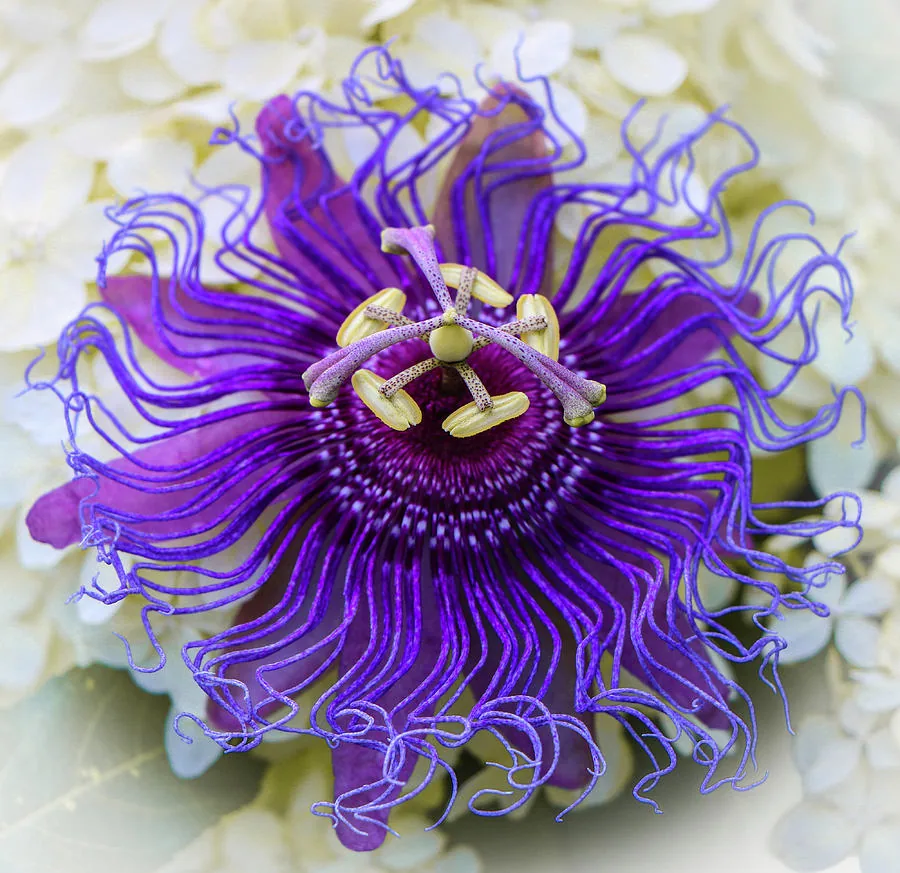
Van mungbonen to boekweit: vitexine is een antioxidant die in veel planten voorkomt en al sinds de oudheid op alle continenten als geneesmiddel wordt gebruikt.64 Deze flavonoïde, die door de wetenschappers onder de loep werd genomen, verraste de onderzoekers oprecht met zijn zeer brede farmacologische werking.65 Er wordt onderzoek gedaan naar de antioxiderende en ontstekingsremmende effecten ervan, evenals naar de neuroprotectieve, krampstillende en andere eigenschappen.66 Wetenschappelijk gezien wordt vitexine ingedeeld als een apigenine-flavonglycoside, dat voorkomt in bamboebladeren, passiebloem, boekweit, lavendel, mungbonen en nog veel meer. Maar het eten van deze voedingsmiddelen is niet voldoende om een noemenswaardige hoeveelheid binnen te krijgen — daarvoor zijn krachtige, specifieke extracten nodig. Vitexine wordt momenteel onderzocht vanwege zijn mogelijke werking via de GABA-A-receptorroute, op een manier die vergelijkbaar is met die van benzodiazepinen, maar dan als modulator in plaats van als remmer — daarom wordt het onderzocht op zijn mogelijke rol bij het verminderen van angst zonder risico op sedatie of verslaving.
Hericium erinaceus (Leeuwenmanen) — het middel voor hersenregeneratie
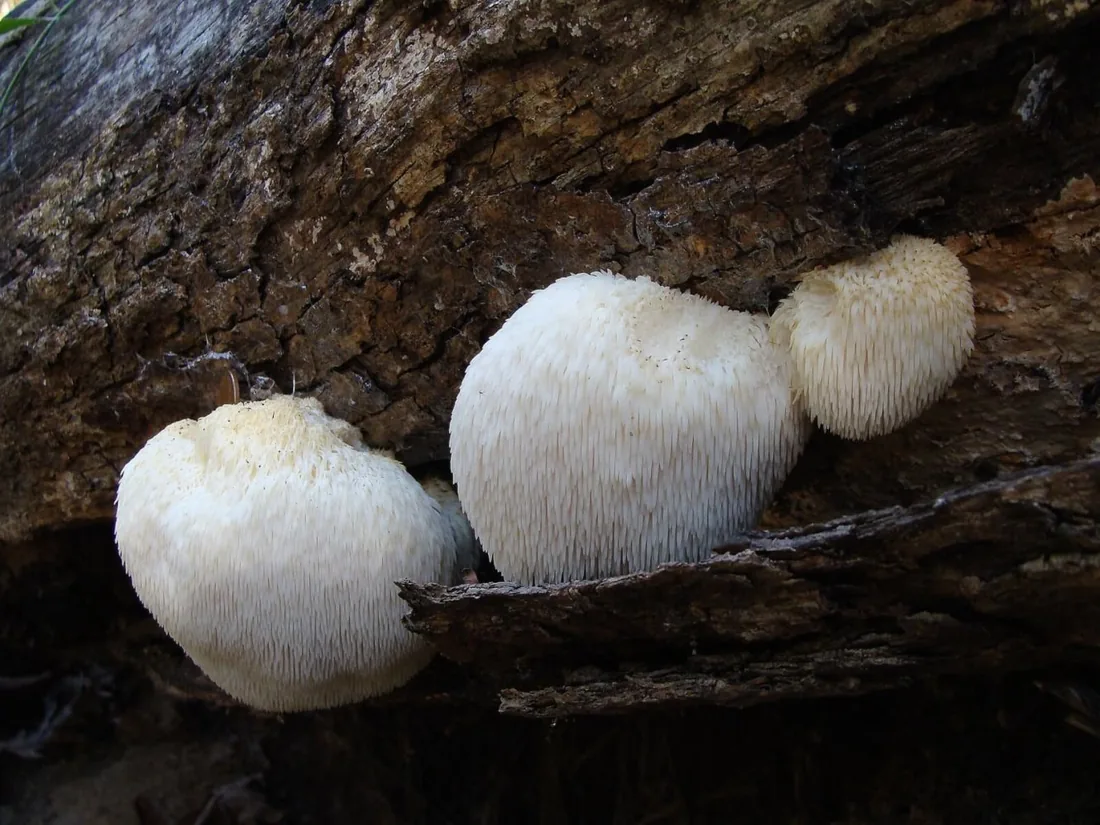
H. erinaceus is een medicinale paddenstoel met een bijzonder zeldzame werking, die ook wel de „hersenpaddenstoel” wordt genoemd. Er wordt onderzocht of het extract ervan bijzonder geschikt is bij gevoelens van angst. Neuroregeneratie: Er wordt onderzoek gedaan naar de mogelijke rol ervan bij het stimuleren van de zenuwgroeifactor (NGF) — in monsters van menselijke neuronen zorgde het extract van deze paddenstoel voor een effectieve toename van de uitgroei van neurieten met 60,6%.86 Onderzoek richt zich ook op de rol ervan bij het ondersteunen van de gemoedstoestand en de cognitieve functies. Het juiste type extract, de juiste hoeveelheid en de juiste sterkte zijn bepalend voor het effect.
Vitexin wordt momenteel onderzocht op zijn mogelijke rol in de GABA-A-route, net als benzodiazepinen, maar dan als modulator en zonder risico op verslaving – dit is onderzocht in meer dan 80 klinische studies.
Vitexin 90 door Zenius Labs™ →Angst is een natuurlijke reactie van de hersenen op een bedreiging, die wordt gereguleerd door het evenwicht tussen GABA en glutamaat. Het probleem ontstaat wanneer dit systeem chronisch wordt geactiveerd zonder dat er sprake is van een daadwerkelijke bedreiging. Moderne factoren — stress, slecht slapen, een overvloed aan geraffineerde koolhydraten — zorgen ervoor dat het glutamaatgehalte voortdurend stijgt en de activiteit van GABA daalt, waardoor een toestand van chronische angst ontstaat.
Sommige plantaardige stoffen worden klinisch onderzocht. Vitexin (uit Passiflora incarnata) wordt momenteel onderzocht op zijn mogelijke werking via GABA-A-receptoren, op een manier die vergelijkbaar is met die van benzodiazepinen, maar zonder risico op verslaving. Dit is bij verschillende patiëntengroepen onderzocht in meer dan 80 klinische studies. Overleg altijd met een zorgverlener over elke aanpak.
Op recept verkrijgbare kalmeringsmiddelen (benzodiazepinen) remmen het centrale zenuwstelsel rechtstreeks en kunnen leiden tot verslaving, geheugenproblemen en vertraagde bewegingen. Vitexin 90 van Zenius Labs™ wordt onderzocht op zijn mogelijke rol in het beïnvloeden van dezelfde GABA-A-receptorroute, maar dan als modulator in plaats van als remmer — met het oog op het verminderen van angst zonder sedatie of verslaving. Dit is louter informatief en geen medisch advies.
Lichte situationele angst kan wel afnemen. Maar chronische angst die verband houdt met neurochemische veranderingen neemt meestal niet vanzelf af zonder behandeling — en kan na verloop van tijd zelfs verergeren. Het is belangrijk om de oorzaak in een vroeg stadium aan te pakken (slaap, voeding, lichaamsbeweging, ondersteuning via GABA) in plaats van te wachten tot de symptomen verergeren. Zoek indien nodig professionele hulp.
Nee, maar ze gaan vaak hand in hand. Angst is een overmatige prikkelbaarheid en vrees; depressie is emotionele en energetische uitputting. Beide worden in verband gebracht met een verstoring van de GABA/serotoninebalans, en daarom wordt onderzocht of bepaalde behandelingen (zoals Passiflora incarnata-extract) op beide aandoeningen een gunstig effect hebben.
Chronische angst kan op den duur schadelijk zijn: het verhoogt het cortisolgehalte, verzwakt het immuunsysteem en verhoogt het risico op hart- en vaatziekten. Kortstondige angst is normaal en zelfs nuttig. Het probleem ontstaat pas wanneer het een vast onderdeel van je leven wordt — daarom is het belangrijk om er iets aan te doen.
- Moreno-Agostino D et al. Characterising patterns of health behaviours in middle-aged and older adults. BMC Public Health. 2020. biomedcentral.com
- Missing: https://www.who.int/news-room/fact-sheets/detail/anxiety-disorders
- Missing: https://presse.inserm.fr/en/benzodiazepine-use-and-dementia-in-the-over-65s/47631/
- Missing: https://www.researchgate.net/publication/396450394_The_Use_of_Benzodiazepines_in_the_Elderly_Population_Epidemiology_Risks_and_Withdrawal_Management
- Miczke A et al. GABA and anxiety: IntechOpen chapter. IntechOpen. intechopen.com
- Gibson GR et al. Dietary prebiotics: current status and new definition. J Nutr. 2010. oup.com
- Nuss P. Anxiety disorders and GABA neurotransmission: a disturbance of modulation. Neuropsychiatric disease and treatment. 2015. PubMed Central
- Nutrients and neurotransmitters: IntechOpen chapter. IntechOpen. intechopen.com
- American Addiction Centers. Long-term effects of Xanax use. AmericanAddictionCenters.org. americanaddictioncenters.org
- MedlinePlus. Alprazolam (Xanax) drug information. MedlinePlus (NIH). medlineplus.gov
- Wang C et al. Glucose inhibits GABA release by pancreatic beta-cells through an increase in GABA shunt activity. Am J Physiol Endocrinol Metab. 2006. PubMed
- Levin BE et al. Regulation of energy homeostasis by peripheral signals. Am J Physiol Regul Integr Comp Physiol. 2017. physiology.org
- Kose J et al. A Comparison of Sugar Intake between Individuals with High and Low Trait Anxiety: Results from the NutriNet-Santé Study. Nutrients. 2021. PubMed
- Alasmari F. Caffeine induces neurobehavioral effects through modulating neurotransmitters. Saudi Pharm J. 2020. PubMed
- John J et al. Caffeine promotes glutamate and histamine release in the posterior hypothalamus. American journal of physiology. Regulatory, integrative and comparative physiology. 2014. PubMed Central
- Solinas M et al. Caffeine induces dopamine and glutamate release in the shell of the nucleus accumbens. The Journal of neuroscience : the official journal of the Society for Neuroscience. 2002. PubMed Central
- Psychology Today. Anxiety and social media use. PsychologyToday.com. 2020. psychologytoday.com
- Shensa A et al. Social Media Use and Depression and Anxiety Symptoms: A Cluster Analysis. American journal of health behavior. 2018. PubMed Central
- Harvard Graduate School of Education. Social media and teen anxiety. Harvard GSE. 2017. gse.harvard.edu
- Vannucci A et al. Social media use and anxiety in emerging adults. Scand J Psychol. 2017. wiley.com
- Onaolapo OJ et al. Monosodium glutamate-associated alterations in open field, anxiety-related and conditioned place preference behaviours in mice. Naunyn Schmiedebergs Arch Pharmacol. 2017. PubMed
- Ureña-Guerrero ME et al. Excitotoxic neonatal damage induced by monosodium glutamate reduces several GABAergic markers in the cerebral cortex and hippocampus in adulthood. Int J Dev Neurosci. 2009. PubMed
- Quines CB et al. Monosodium glutamate, a food additive, induces depressive-like and anxiogenic-like behaviors in young rats. Life Sci. 2014. PubMed
- Porcelli B et al. Celiac and non-celiac gluten sensitivity: a review on the association with schizophrenia and mood disorders. Auto Immun Highlights. 2014. PubMed
- Casella G et al. Mood disorders and non-celiac gluten sensitivity. Minerva Gastroenterol Dietol. 2017. PubMed
- Losurdo G et al. Extra-intestinal manifestations of non-celiac gluten sensitivity: An expanding paradigm. World J Gastroenterol. 2018. PubMed
- Addolorato G et al. Anxiety and depression in celiac disease. Intern Emerg Med. 2014. springer.com
- Verywell Health. Gluten-related neurological symptoms. VeryWellHealth.com. verywellhealth.com
- WHO Europe. Alcohol use and mental health. WHO. 2018. euro.who.int
- Norwitz NG et al. Nutrition as Metabolic Treatment for Anxiety. Front Psychiatry. 2021. PubMed
- Bear TLK et al. The Role of the Gut Microbiota in Dietary Interventions for Depression and Anxiety. Adv Nutr. 2020. PubMed
- Firth J et al. Food and mood: how do diet and nutrition affect mental wellbeing?. BMJ. 2020. PubMed
- Adan RAH et al. Nutritional psychiatry: Towards improving mental health by what you eat. Eur Neuropsychopharmacol. 2019. PubMed
- Marx W et al. Nutritional psychiatry: the present state of the evidence. Proc Nutr Soc. 2017. PubMed
- Chao L et al. Effects of Probiotics on Depressive or Anxiety Variables in Healthy Participants Under Stress Conditions or With a Depressive or Anxiety Diagnosis: A Meta-Analysis of Randomized Controlled Trials. Front Neurol. 2020. PubMed
- Sun LJ et al. Gut hormones in microbiota-gut-brain cross-talk. Chin Med J (Engl). 2020. PubMed
- Luna RA et al. Gut brain axis: diet microbiota interactions and implications for modulation of anxiety and depression. Curr Opin Biotechnol. 2015. PubMed
- Evrensel A et al. Immune-Kynurenine Pathways and the Gut Microbiota-Brain Axis in Anxiety Disorders. Adv Exp Med Biol. 2020. PubMed
- Martin CR et al. The Brain-Gut-Microbiome Axis. Cell Mol Gastroenterol Hepatol. 2018. PubMed
- Schmidt K et al. Prebiotic intake reduces the waking cortisol response and alters emotional bias in healthy volunteers. Psychopharmacology (Berl). 2015. PubMed
- Simpson CA et al. The gut microbiota in anxiety and depression. Front Psychiatry. 2018. frontiersin.org
- Rieder R et al. Microbes and mental health: A review. Brain Behav Immun. 2017. PubMed
- Messaoudi M et al. Beneficial psychological effects of a probiotic formulation (Lactobacillus helveticus R0052 and Bifidobacterium longum R0175) in healthy human volunteers. Gut Microbes. 2011. PubMed
- Steenbergen L et al. A randomized controlled trial to test the effect of multispecies probiotics on cognitive reactivity to sad mood. Brain Behav Immun. 2015. PubMed
- Taylor AM et al. A review of dietary and microbial connections to depression, anxiety, and stress. Nutr Neurosci. 2020. PubMed
- Dahl WJ et al. Dietary fibre and gut microbiome interactions. Nature Scientific Reports. 2021. nature.com
- New Brain Nutrition. Can prebiotics treat anxiety and depression?. NewBrainNutrition.com. newbrainnutrition.com
- Kao AC et al. The Influence of Prebiotics on Neurobiology and Behavior. Int Rev Neurobiol. 2016. PubMed
- Szklany K et al. Supplementation of dietary non-digestible oligosaccharides from birth onwards improve social and reduce anxiety-like behaviour in male BALB/c mice. Nutr Neurosci. 2020. PubMed
- Diabetes.co.uk. Ketogenic diet and mental health. Diabetes.co.uk. diabetes.co.uk
- Włodarczyk A et al. Ketogenic Diet: A Dietary Modification as an Anxiolytic Approach?. Nutrients. 2020. PubMed Central
- Kandola A et al. Exercise and Anxiety. Adv Exp Med Biol. 2020. PubMed
- Streeter CC et al. Yoga Asana sessions increase brain GABA levels: a pilot study. J Altern Complement Med. 2007. PubMed
- Hayasaka S et al. Effects of charcoal kiln saunas (Jjimjilbang) on psychological states. Complement Ther Clin Pract. 2008. PubMed
- Cain T et al. Effects of cold-water immersion on health and wellbeing: A systematic review and meta-analysis. PLoS One. 2025. PubMed
- Vignes M et al. Anxiolytic properties of green tea polyphenol (-)-epigallocatechin gallate (EGCG). Brain Res. 2006. PubMed
- Peters CM et al. Formulation with ascorbic acid and sucrose modulates catechin bioavailability from green tea. Food research international (Ottawa, Ont.). 2010. PubMed Central
- Jerath R et al. Self-regulation of breathing as a primary treatment for anxiety. Appl Psychophysiol Biofeedback. 2015. PubMed
- Psychology Today. Longer exhalations ease anxiety. PsychologyToday.com. 2019. psychologytoday.com
- Feathered Pipe Foundation. How breath affects the nervous system. FeatheredPipe.com. featheredpipe.com
- Kim M et al. Role Identification of Passiflora Incarnata Linnaeus: A Mini Review. Journal of menopausal medicine. 2017. PubMed Central
- Appel K et al. Modulation of the γ-aminobutyric acid (GABA) system by Passiflora incarnata L. Phytother Res. 2011. sciencedirect.com
- Babaei F et al. Review of the effects of vitexin in oxidative stress-related diseases. Food science & nutrition. 2020. PubMed Central
- Akhondzadeh S et al. Passionflower in the treatment of generalized anxiety: a pilot double-blind randomized controlled trial with oxazepam. J Clin Pharm Ther. 2001. PubMed
- Christoffoli MT et al. Assessment of Passiflora incarnata L for conscious sedation of patients during the extraction of mandibular third molars: a randomized, split-mouth, double-blind, crossover study. Quintessence Int. 2021. PubMed
- Janda K et al. Passiflora incarnata in Neuropsychiatric Disorders-A Systematic Review. Nutrients. 2020. PubMed Central
- Luscher C et al. GABA(A) receptor trafficking-mediated plasticity of inhibitory synapses. Neuron. 2000. nature.com
- Abbasi E et al. Neuroprotective effects of vitexin, a flavonoid, on pentylenetetrazole-induced seizure in rats. Chem Biol Drug Des. 2012. PubMed
- Grundmann O et al. Anxiolytic activity of a phytochemically characterized Passiflora incarnata extract is mediated via the GABAergic system. Planta Med. 2008. PubMed
- Oliveira DR et al. Flavones-bound in benzodiazepine site on GABA(A) receptor: Concomitant anxiolytic-like and cognitive-enhancing effects produced by Isovitexin and 6-C-glycoside-Diosmetin. Eur J Pharmacol. 2018. PubMed
- Šurkienė G et al. Benzodiazepinų vartojimo paplitimas Lietuvoje. Psichiatrija.lt. 2019. psichiatrija.lt
- Lakhan SE et al. Nutritional and herbal supplements for anxiety and anxiety-related disorders: systematic review. Nutrition journal. 2010. PubMed Central
- Nojoumi M et al. Effects of Passion Flower Extract, as an Add-On Treatment to Sertraline, on Reaction Time in Patients with Generalized Anxiety Disorder: A Double-Blind Placebo-Controlled Study. Iranian journal of psychiatry. 2016. PubMed Central
- Qi Y et al. Vitexin improves neuron apoptosis and memory impairment induced by isoflurane via regulation of miR-409 expression. Adv Clin Exp Med. 2020. PubMed
- Kim GH et al. Improvement in neurogenesis and memory function by administration of Passiflora incarnata L. extract applied to sleep disorder in rodent models. J Chem Neuroanat. 2019. PubMed
- Sveikatos apsaugos ministerija. Raminamųjų bei migdomųjų vaistų vartojimo grėsmės. SAM.lrv.lt. sam.lrv.lt
- Akhondzadeh S et al. Passionflower in the treatment of opiates withdrawal: a double-blind randomized controlled trial. J Clin Pharm Ther. 2001. PubMed
- Dhawan K. Drug/substance reversal effects of a novel tri-substituted benzoflavone moiety (BZF) isolated from Passiflora incarnata Linn.–a brief perspective. Addict Biol. 2003. PubMed
- de Oliveira DD et al. Vitexin Possesses Anticonvulsant and Anxiolytic-Like Effects in Murine Animal Models. Frontiers in pharmacology. 2020. PubMed Central
- Nassiri-Asl M et al. Anticonvulsant effects of aerial parts of Passiflora incarnata extract in mice: involvement of benzodiazepine and opioid receptors. BMC complementary and alternative medicine. 2007. PubMed Central
- Bourin M et al. A combination of plant extracts in the treatment of outpatients with adjustment disorder with anxious mood: controlled study versus placebo. Fundam Clin Pharmacol. 1997. PubMed
- Singh B et al. Dual protective effect of Passiflora incarnata in epilepsy and associated post-ictal depression. J Ethnopharmacol. 2012. PubMed
- Lai PL et al. Neurotrophic properties of the Lion’s mane medicinal mushroom, Hericium erinaceus (Higher Basidiomycetes) from Malaysia. Int J Med Mushrooms. 2013. PubMed
- Kolotushkina EV et al. The influence of Hericium erinaceus extract on myelination process in vitro. Fiziol Zh (1994). 2003. PubMed
- Wong KH et al. Neuroregenerative potential of lion’s mane mushroom, Hericium erinaceus (Bull.: Fr.) Pers. (higher Basidiomycetes), in the treatment of peripheral nerve injury (review). Int J Med Mushrooms. 2012. PubMed
- He X et al. Structures, biological activities, and industrial applications of the polysaccharides from Hericium erinaceus (Lion’s Mane) mushroom: A review. Int J Biol Macromol. 2017. PubMed
- Park YS et al. Effect of an exo-polysaccharide from the culture broth of Hericium erinaceus on enhancement of growth and differentiation of rat adrenal nerve cells. Cytotechnology. 2002. PubMed Central
- Samberkar S et al. Lion’s Mane, Hericium erinaceus and Tiger Milk, Lignosus rhinocerotis (Higher Basidiomycetes) Medicinal Mushrooms Stimulate Neurite Outgrowth in Dissociated Cells of Brain, Spinal Cord, and Retina: An In Vitro Study. Int J Med Mushrooms. 2015. PubMed
- Nagano M et al. Reduction of depression and anxiety by 4 weeks Hericium erinaceus intake. Biomed Res. 2010. PubMed
- Vigna L et al. Hericium erinaceus Improves Mood and Sleep Disorders in Patients Affected by Overweight or Obesity: Could Circulating Pro-BDNF and BDNF Be Potential Biomarkers?. Evid Based Complement Alternat Med. 2019. PubMed
- Friedman M. Chemistry, Nutrition, and Health-Promoting Properties of Hericium erinaceus (Lion’s Mane) Mushroom Fruiting Bodies and Mycelia and Their Bioactive Compounds. J Agric Food Chem. 2015. PubMed
- Chong PS et al. Neurogenesis-dependent antidepressant-like activity of Hericium erinaceus in an animal model of depression. Chin Med. 2021. PubMed
- Brandalise F et al. Dietary Supplementation of Hericium erinaceus Increases Mossy Fiber-CA3 Hippocampal Neurotransmission and Recognition Memory in Wild-Type Mice. Evidence-based complementary and alternative medicine : eCAM. 2017. PubMed Central
- Zhang J et al. The Neuroprotective Properties of Hericium erinaceus in Glutamate-Damaged Differentiated PC12 Cells and an Alzheimer’s Disease Mouse Model. International journal of molecular sciences. 2016. PubMed Central
- Mori K et al. Improving effects of the mushroom Yamabushitake (Hericium erinaceus) on mild cognitive impairment: a double-blind placebo-controlled clinical trial. Phytother Res. 2009. PubMed
- Chong PS et al. Therapeutic Potential of Hericium erinaceus for Depressive Disorder. Int J Mol Sci. 2019. PubMed
- Kim YO et al. Hericium erinaceus suppresses LPS-induced pro-inflammation gene activation in RAW264.7 macrophages. Immunopharmacol Immunotoxicol. 2012. PubMed
- Qin M et al. Anti-Inflammatory Effects of Ethanol Extract of Lion’s Mane Medicinal Mushroom, Hericium erinaceus (Agaricomycetes), in Mice with Ulcerative Colitis. Int J Med Mushrooms. 2016. PubMed
- Mori K et al. Effects of Hericium erinaceus on amyloid β(25-35) peptide-induced learning and memory deficits in mice. Biomed Res. 2011. PubMed
- Velasquez ACA et al. Effects of Passiflora incarnata and Valeriana officinalis in the control of anxiety due to tooth extraction: a randomized controlled clinical trial. Oral and maxillofacial surgery. 2024. PubMed
- Miyasaka LS et al. Passiflora for anxiety disorder. The Cochrane database of systematic reviews. 2007. PubMed
- Wolfman C et al. Possible anxiolytic effects of chrysin, a central benzodiazepine receptor ligand isolated from Passiflora coerulea. Pharmacology, biochemistry, and behavior. 1994. PubMed
- Krenn L [Passion Flower (Passiflora incarnata L.)–a reliable herbal sedative]. Wiener medizinische Wochenschrift (1946). 2002. PubMed
- Medina JH et al. Chrysin (5,7-di-OH-flavone), a naturally-occurring ligand for benzodiazepine receptors, with anticonvulsant properties. Biochemical pharmacology. 1990. PubMed
- Al Hasan MS et al. Assessment of sedative activity of Chrysin: Behavioral approach with pharmacokinetics, toxicological profile and molecular docking. Sleep medicine. 2025. PubMed
- Nagano M et al. Reduction of depression and anxiety by 4 weeks Hericium erinaceus intake. Biomedical research (Tokyo, Japan). 2010. PubMed
- Vigna L et al. Hericium erinaceus Improves Mood and Sleep Disorders in Patients Affected by Overweight or Obesity: Could Circulating Pro-BDNF and BDNF Be Potential Biomarkers?. Evidence-based complementary and alternative medicine : eCAM. 2019. PubMed
- Koszła O et al. Biotransformation of Ganoderma lucidum and Hericium erinaceus for ex vivo gut-brain axis modulation and mood-related outcomes in humans: CREB/BDNF signaling and microbiota-driven synergies. Journal of ethnopharmacology. 2025. PubMed
- Mori K et al. Nerve growth factor-inducing activity of Hericium erinaceus in 1321N1 human astrocytoma cells. Biological & pharmaceutical bulletin. 2008. PubMed
- Lai PL et al. Neurotrophic properties of the Lion’s mane medicinal mushroom, Hericium erinaceus (Higher Basidiomycetes) from Malaysia. International journal of medicinal mushrooms. 2013. PubMed
- Cipriano GL et al. Beyond Neurotrophins: A Proposed Neurotrophic-Epigenetic Axis Mediated by Non-Coding RNA Networks for Hericium erinaceus Bioactives-A Hypothesis-Driven Review. International journal of molecular sciences. 2026. PubMed
- Roda E et al. Cognitive Healthy Aging in Mice: Boosting Memory by an Ergothioneine-Rich Hericium erinaceus Primordium Extract. Biology. 2023. PubMed
- Ratto D et al. Hericium erinaceus Improves Recognition Memory and Induces Hippocampal and Cerebellar Neurogenesis in Frail Mice during Aging. Nutrients. 2019. PubMed
- Priori EC et al. Hericium erinaceus Extract Exerts Beneficial Effects on Gut-Neuroinflammaging-Cognitive Axis in Elderly Mice. Biology. 2023. PubMed
- Jeanclos E et al. Improved cognition, mild anxiety-like behavior and decreased motor performance in pyridoxal phosphatase-deficient mice. Biochimica et biophysica acta. Molecular basis of disease. 2019. PubMed
- Kasaragod VB et al. Pyridoxal kinase inhibition by artemisinins down-regulates inhibitory neurotransmission. Proceedings of the National Academy of Sciences of the United States of America. 2020. PubMed
- Singhuber J et al. GABA(A) receptor modulators from Chinese herbal medicines traditionally applied against insomnia and anxiety. Phytomedicine : international journal of phytotherapy and phytopharmacology. 2012. PubMed
- Evans AK et al. Pharmacology of the beta-carboline FG-7,142, a partial inverse agonist at the benzodiazepine allosteric site of the GABA A receptor: neurochemical, neurophysiological, and behavioral effects. CNS drug reviews. 2007. PubMed
- Zhong H et al. Neonatal inflammation via persistent TGF-β1 downregulation decreases GABA(A)R expression in basolateral amygdala leading to the imbalance of the local excitation-inhibition circuits and anxiety-like phenotype in adult mice. Neurobiology of disease. 2022. PubMed
- Pétursson H The benzodiazepine withdrawal syndrome. Addiction (Abingdon, England). 1994. PubMed
- Soyka M Treatment of Benzodiazepine Dependence. The New England journal of medicine. 2017. PubMed
- O’brien CP Benzodiazepine use, abuse, and dependence. The Journal of clinical psychiatry. 2005. PubMed
- Akhondzadeh S et al. Passionflower in the treatment of generalized anxiety: a pilot double-blind randomized controlled trial with oxazepam. Journal of clinical pharmacy and therapeutics. 2001. PubMed
- Stein MB Neurobiology of generalized anxiety disorder. The Journal of clinical psychiatry. 2009. PubMed
- Pollack MH Refractory generalized anxiety disorder. The Journal of clinical psychiatry. 2009. PubMed
- Richier C et al. Brain Age Prediction in Generalized Anxiety Disorder using a Convolutional Neural Network. Research square. 2025. PubMed
- Amigó J et al. The absence of 5-HT(4) receptors modulates depression- and anxiety-like responses and influences the response of fluoxetine in olfactory bulbectomised mice: Adaptive changes in hippocampal neuroplasticity markers and 5-HT(1A) autoreceptor. Neuropharmacology. 2016. PubMed
- Paliokha R et al. Effects of pre-gestational exposure to the stressors and perinatal mirtazapine administration on the excitability of hippocampal glutamate and brainstem monoaminergic neurons, hippocampal neuroplasticity, and anxiety-like behavior in rats. Molecular psychiatry. 2026. PubMed
- Cryan JF et al. The Microbiota-Gut-Brain Axis. Physiological reviews. 2019. PubMed
- Rutsch A et al. The Gut-Brain Axis: How Microbiota and Host Inflammasome Influence Brain Physiology and Pathology. Frontiers in immunology. 2020. PubMed
- Foster JA et al. Stress & the gut-brain axis: Regulation by the microbiome. Neurobiology of stress. 2017. PubMed
- Bear T et al. The Microbiome-Gut-Brain Axis and Resilience to Developing Anxiety or Depression under Stress. Microorganisms. 2021. PubMed