- L'ansia è un insieme di disturbi (disturbo di panico, disturbo d'ansia sociale, disturbo d'ansia generalizzato, fobie) che colpisce il 2,5–7% della popolazione e che ha come elemento comune una sensazione opprimente di paura e insicurezza.
- Alla base di tutto ciò c'è l'equilibrio tra due neurotrasmettitori: il glutammato (che stimola) e il GABA (che calma); l'ansia cronica si verifica quando il glutammato prevale sul GABA.
- Prima di tutto lo stile di vita: ridurre lo zucchero, i carboidrati raffinati e gli stimolanti, migliorare la qualità del sonno; si sta studiando una dieta chetogenica per il suo potenziale ruolo nell'aumentare i livelli di GABA.
- Sono stati studiati due composti naturali: la vitexina (modulatore di GABA-A, nessuna dipendenza) e Hericium erinaceus / Lion's Mane (neurorigenerazione, NGF).
Che cos’è l’ansia
Se stai cercando la risposta a questa domanda, probabilmente hai già sperimentato in prima persona l’ombra dell’ansia. Sebbene non sia difficile definire questo stato, è ben più importante comprenderne l’origine. Una volta compreso cosa alimenta l’ansia, possiamo trovare modi naturali per ritrovare la calma interiore — quella sensazione di serenità che molti di noi ricordano dall’infanzia, quando il mondo non sembrava ancora così complicato. Il nostro equilibrio neurologico spesso cambia molto lentamente. Si tratta di un processo che dura anni, quindi i cambiamenti sono difficili da notare. Il più delle volte ci riflettiamo sopra solo quando improvvisi attacchi di panico colpiscono, oppure quando la vita quotidiana è avvolta da un senso di inquietudine costante.
La varietà dei disturbi d'ansia
È importante capire che l’ansia non è un unico stato, bensì un insieme di disturbi diversi. Comprende gli attacchi di panico, l’ansia sociale, l’ansia da separazione, le fobie e, forse la più comune, il disturbo d'ansia generalizzato. Sebbene le diagnosi differiscano, hanno un denominatore comune: una sensazione logorante di paura e insicurezza. L'ansia colpisce tra il 2,5% e il 7% della popolazione, con percentuali che variano a seconda del Paese.2
Perché nasce l'ansia?
Il corretto funzionamento del cervello dipende dall’equilibrio tra due neurotrasmettitori (vettori di informazioni). Questo sistema si autoregola attraverso due forze principali: immaginate una bilancia sempre alla ricerca dell’equilibrio.8 I due neurotrasmettitori principali sono il glutammato e il GABA, che agiscono in modo opposto: il glutammato eccita,9 mentre il GABA inibisce.10 Questo determina il nostro equilibrio mentale. Quando il glutammato prevale sul GABA, il risultato è quello stato di iperattività e irrequietezza che percepiamo come ansia.
Cosa provoca ansia (glutammato) nel cervello
Per gestire l’ansia, non basta adottare nuove abitudini: occorre innanzitutto eliminare ciò che stimola costantemente il sistema nervoso. L’obiettivo principale: riequilibrare il glutammato (il neurotrasmettitore stimolante) e il GABA (quello calmante). Cosa eliminare o limitare drasticamente: Zucchero e carboidrati a rapido assorbimento — dolci, prodotti da forno, bevande zuccherate e persino un consumo eccessivo di frutta dolce provocano bruschi picchi di insulina che influiscono direttamente sugli sbalzi d’umore.14 Eccesso di stimolanti, sonno insufficiente e stress cronico mantengono inoltre livelli elevati di glutammato. Il consiglio: assumere vitamine e minerali in modo molto più efficace attraverso le verdure a foglia verde scura.
Come ripristinare la calma: attivazione di GABA
Se il glutammato è l'"acceleratore" del cervello, allora il GABA (acido gamma-aminobutirrico) ne è i "freni". Per superare l'ansia, dobbiamo attivare questi freni — attraverso cambiamenti nello stile di vita e sostanze presenti in natura. Una dieta chetogenica aiuta a combattere l’ansia e aumenta i livelli di GABA,53 Pertanto, per chi segue questa dieta a basso contenuto di carboidrati, essa non solo aiuta a gestire l’ansia, ma migliora anche la memoria e le funzioni cognitive. Sempre più specialisti raccomandano una correzione alimentare come primo passo prima di ricorrere a trattamenti farmacologici.54
Composti naturali contro l'ansia
Se i cambiamenti nello stile di vita non bastano, la natura offre due potenti principi attivi che possono eguagliare i farmaci in termini di efficacia, senza però i loro effetti collaterali. Esistono ricerche sufficienti per tracciare un quadro del loro straordinario effetto sul cervello; pertanto, se ne consiglia l’uso combinato a chi desidera riequilibrare l’attività cerebrale e vivere con serenità nonostante l’enorme flusso di informazioni della vita quotidiana. Si tratta del flavonoide vitexina e del fungo medicinale Hericium erinaceus (Lion’s Mane).
Vitexin — il ritmo della calma che la natura ci regala
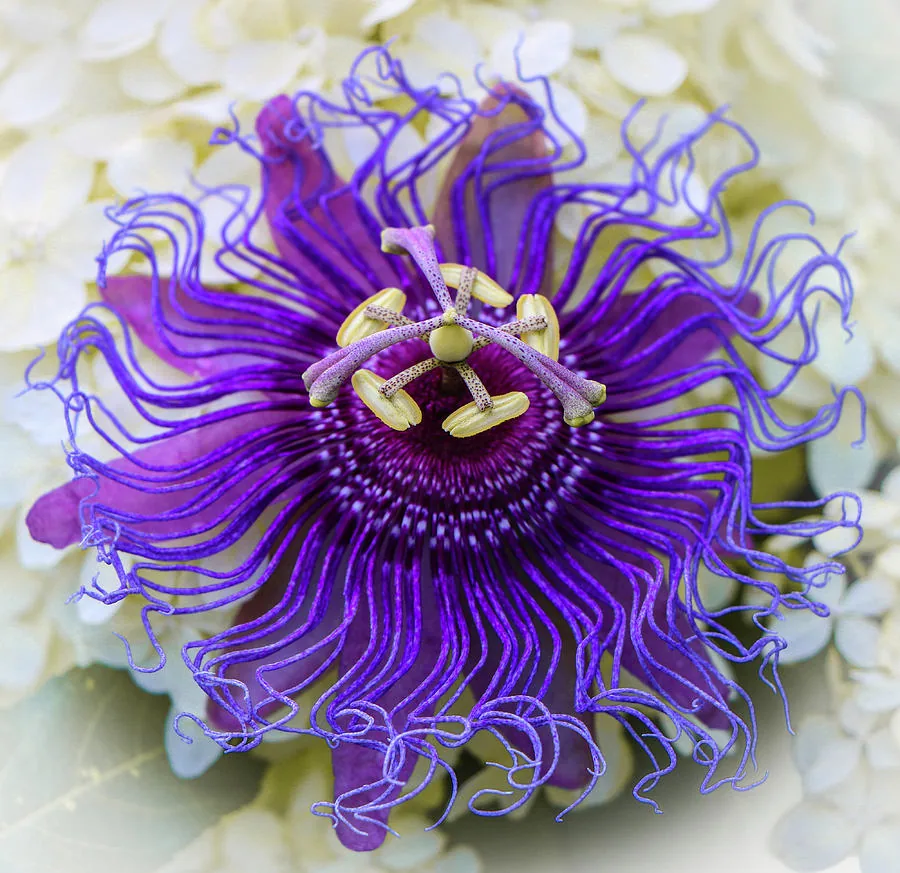
Dai fagioli mung al grano saraceno, la vitexina è un antiossidante presente in molte piante, utilizzato come rimedio medicinale in tutti i continenti sin dall’antichità.64 Questo flavonoide, messo sotto la lente d'ingrandimento degli scienziati, ha davvero sorpreso i ricercatori per il suo effetto farmacologico estremamente ampio.65 Sono oggetto di studio i suoi effetti antiossidanti e antinfiammatori, insieme alle proprietà neuroprotettive, antispasmodiche e di altro tipo.66 Dal punto di vista scientifico, la vitexina è classificata come un glicoside flavonico dell’apigenina, presente nelle foglie di bambù, nella passiflora, nel grano saraceno, nella lavanda, nei fagioli mung e in molti altri alimenti. Tuttavia, il consumo di questi alimenti non è sufficiente per assumerne una quantità significativa: sono necessari estratti potenti e specifici. La vitexina è attualmente oggetto di studio per il suo potenziale ruolo nell’agire attraverso la via del recettore GABA-A in modo paragonabile alle benzodiazepine, ma come modulatore piuttosto che come soppressore — motivo per cui viene studiata per il suo potenziale ruolo nella riduzione dell’ansia senza sedazione né rischio di dipendenza.
Hericium erinaceus (Criniera di leone) — il rigeneratore cerebrale
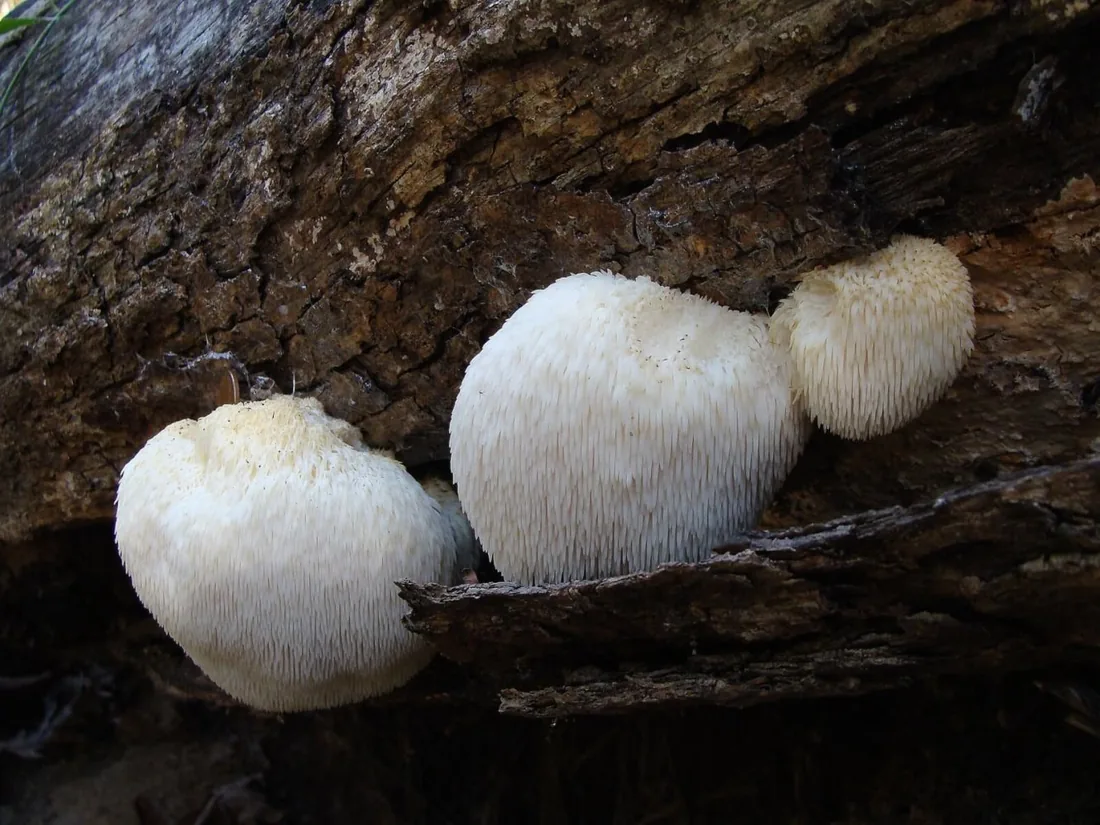
L'H. erinaceus è un fungo medicinale dagli effetti particolarmente rari, noto come "fungo del cervello". Il suo estratto è oggetto di studi in quanto ritenuto particolarmente indicato per combattere i sintomi dell'ansia. Neurorigenerazione: È oggetto di studio per il suo potenziale ruolo nella stimolazione del fattore di crescita nervoso (NGF): in campioni di neuroni umani, l'estratto di questo fungo ha aumentato efficacemente la crescita dei neuriti del 60,6%.86 La ricerca esamina inoltre il suo ruolo nel sostenere l'umore e le funzioni cognitive. Per ottenere risultati efficaci, è importante scegliere il tipo di estratto, la quantità e la concentrazione giusti.
La vitexina è oggetto di studio per il suo potenziale ruolo nell'agire attraverso la via GABA-A, analogamente alle benzodiazepine, ma in qualità di modulatore, senza rischio di dipendenza — come dimostrato da oltre 80 studi clinici.
Vitexin 90 di Zenius Labs™ →L'ansia è una risposta naturale del cervello a una minaccia, regolata dall'equilibrio tra GABA e glutammato. Il problema sorge quando questo sistema viene attivato in modo cronico in assenza di una minaccia reale. I fattori moderni — stress, sonno insufficiente, un eccesso di carboidrati raffinati — aumentano continuamente i livelli di glutammato e riducono l’attività di GABA, creando uno stato di ansia cronica.
Alcuni composti vegetali sono oggetto di studi clinici. La vitexina (estratta dalla Passiflora incarnata) è attualmente oggetto di studio per il suo potenziale ruolo nell’agire attraverso i recettori GABA-A in modo simile alle benzodiazepine, ma senza il rischio di dipendenza. Questo aspetto è stato esaminato su diversi gruppi di pazienti in oltre 80 studi clinici. Discutere sempre qualsiasi approccio con un operatore sanitario.
I sedativi soggetti a prescrizione medica (benzodiazepine) esercitano un’azione depressiva diretta sul sistema nervoso centrale e possono causare dipendenza, problemi di memoria e rallentamento dei movimenti. Vitexin 90 di Zenius Labs™ è oggetto di studio per il suo potenziale ruolo nell’agire attraverso la stessa via recettoriale GABA-A, ma come modulatore anziché come soppressore — studiato per ridurre l’ansia senza sedazione né dipendenza. Queste informazioni hanno scopo puramente informativo e non costituiscono un parere medico.
Un'ansia situazionale lieve può farlo. Tuttavia, l'ansia cronica legata a cambiamenti neurochimici di solito non si attenua senza un intervento specifico e può addirittura intensificarsi nel tempo. È importante affrontare la causa fin dall'inizio (sonno, alimentazione, attività fisica, supporto GABA) piuttosto che aspettare che i sintomi peggiorino. Se necessario, rivolgersi a un professionista.
No, ma spesso vanno di pari passo. L’ansia è un eccesso di attivazione e paura; la depressione è un esaurimento emotivo ed energetico. Entrambe sono associate a uno squilibrio di GABA/serotonina, motivo per cui alcuni interventi (como l’estratto di Passiflora incarnata) vengono studiati per i loro effetti su entrambe.
L'ansia cronica può causare danni nel tempo: aumenta i livelli di cortisolo, indebolisce il sistema immunitario e accresce il rischio cardiovascolare. L'ansia a breve termine è normale e persino utile. Il problema sorge quando diventa uno stato permanente della vita quotidiana — per questo è importante non trascurarla.
- Moreno-Agostino D et al. Characterising patterns of health behaviours in middle-aged and older adults. BMC Public Health. 2020. biomedcentral.com
- Missing: https://www.who.int/news-room/fact-sheets/detail/anxiety-disorders
- Missing: https://presse.inserm.fr/en/benzodiazepine-use-and-dementia-in-the-over-65s/47631/
- Missing: https://www.researchgate.net/publication/396450394_The_Use_of_Benzodiazepines_in_the_Elderly_Population_Epidemiology_Risks_and_Withdrawal_Management
- Miczke A et al. GABA and anxiety: IntechOpen chapter. IntechOpen. intechopen.com
- Gibson GR et al. Dietary prebiotics: current status and new definition. J Nutr. 2010. oup.com
- Nuss P. Anxiety disorders and GABA neurotransmission: a disturbance of modulation. Neuropsychiatric disease and treatment. 2015. PubMed Central
- Nutrients and neurotransmitters: IntechOpen chapter. IntechOpen. intechopen.com
- American Addiction Centers. Long-term effects of Xanax use. AmericanAddictionCenters.org. americanaddictioncenters.org
- MedlinePlus. Alprazolam (Xanax) drug information. MedlinePlus (NIH). medlineplus.gov
- Wang C et al. Glucose inhibits GABA release by pancreatic beta-cells through an increase in GABA shunt activity. Am J Physiol Endocrinol Metab. 2006. PubMed
- Levin BE et al. Regulation of energy homeostasis by peripheral signals. Am J Physiol Regul Integr Comp Physiol. 2017. physiology.org
- Kose J et al. A Comparison of Sugar Intake between Individuals with High and Low Trait Anxiety: Results from the NutriNet-Santé Study. Nutrients. 2021. PubMed
- Alasmari F. Caffeine induces neurobehavioral effects through modulating neurotransmitters. Saudi Pharm J. 2020. PubMed
- John J et al. Caffeine promotes glutamate and histamine release in the posterior hypothalamus. American journal of physiology. Regulatory, integrative and comparative physiology. 2014. PubMed Central
- Solinas M et al. Caffeine induces dopamine and glutamate release in the shell of the nucleus accumbens. The Journal of neuroscience : the official journal of the Society for Neuroscience. 2002. PubMed Central
- Psychology Today. Anxiety and social media use. PsychologyToday.com. 2020. psychologytoday.com
- Shensa A et al. Social Media Use and Depression and Anxiety Symptoms: A Cluster Analysis. American journal of health behavior. 2018. PubMed Central
- Harvard Graduate School of Education. Social media and teen anxiety. Harvard GSE. 2017. gse.harvard.edu
- Vannucci A et al. Social media use and anxiety in emerging adults. Scand J Psychol. 2017. wiley.com
- Onaolapo OJ et al. Monosodium glutamate-associated alterations in open field, anxiety-related and conditioned place preference behaviours in mice. Naunyn Schmiedebergs Arch Pharmacol. 2017. PubMed
- Ureña-Guerrero ME et al. Excitotoxic neonatal damage induced by monosodium glutamate reduces several GABAergic markers in the cerebral cortex and hippocampus in adulthood. Int J Dev Neurosci. 2009. PubMed
- Quines CB et al. Monosodium glutamate, a food additive, induces depressive-like and anxiogenic-like behaviors in young rats. Life Sci. 2014. PubMed
- Porcelli B et al. Celiac and non-celiac gluten sensitivity: a review on the association with schizophrenia and mood disorders. Auto Immun Highlights. 2014. PubMed
- Casella G et al. Mood disorders and non-celiac gluten sensitivity. Minerva Gastroenterol Dietol. 2017. PubMed
- Losurdo G et al. Extra-intestinal manifestations of non-celiac gluten sensitivity: An expanding paradigm. World J Gastroenterol. 2018. PubMed
- Addolorato G et al. Anxiety and depression in celiac disease. Intern Emerg Med. 2014. springer.com
- Verywell Health. Gluten-related neurological symptoms. VeryWellHealth.com. verywellhealth.com
- WHO Europe. Alcohol use and mental health. WHO. 2018. euro.who.int
- Norwitz NG et al. Nutrition as Metabolic Treatment for Anxiety. Front Psychiatry. 2021. PubMed
- Bear TLK et al. The Role of the Gut Microbiota in Dietary Interventions for Depression and Anxiety. Adv Nutr. 2020. PubMed
- Firth J et al. Food and mood: how do diet and nutrition affect mental wellbeing?. BMJ. 2020. PubMed
- Adan RAH et al. Nutritional psychiatry: Towards improving mental health by what you eat. Eur Neuropsychopharmacol. 2019. PubMed
- Marx W et al. Nutritional psychiatry: the present state of the evidence. Proc Nutr Soc. 2017. PubMed
- Chao L et al. Effects of Probiotics on Depressive or Anxiety Variables in Healthy Participants Under Stress Conditions or With a Depressive or Anxiety Diagnosis: A Meta-Analysis of Randomized Controlled Trials. Front Neurol. 2020. PubMed
- Sun LJ et al. Gut hormones in microbiota-gut-brain cross-talk. Chin Med J (Engl). 2020. PubMed
- Luna RA et al. Gut brain axis: diet microbiota interactions and implications for modulation of anxiety and depression. Curr Opin Biotechnol. 2015. PubMed
- Evrensel A et al. Immune-Kynurenine Pathways and the Gut Microbiota-Brain Axis in Anxiety Disorders. Adv Exp Med Biol. 2020. PubMed
- Martin CR et al. The Brain-Gut-Microbiome Axis. Cell Mol Gastroenterol Hepatol. 2018. PubMed
- Schmidt K et al. Prebiotic intake reduces the waking cortisol response and alters emotional bias in healthy volunteers. Psychopharmacology (Berl). 2015. PubMed
- Simpson CA et al. The gut microbiota in anxiety and depression. Front Psychiatry. 2018. frontiersin.org
- Rieder R et al. Microbes and mental health: A review. Brain Behav Immun. 2017. PubMed
- Messaoudi M et al. Beneficial psychological effects of a probiotic formulation (Lactobacillus helveticus R0052 and Bifidobacterium longum R0175) in healthy human volunteers. Gut Microbes. 2011. PubMed
- Steenbergen L et al. A randomized controlled trial to test the effect of multispecies probiotics on cognitive reactivity to sad mood. Brain Behav Immun. 2015. PubMed
- Taylor AM et al. A review of dietary and microbial connections to depression, anxiety, and stress. Nutr Neurosci. 2020. PubMed
- Dahl WJ et al. Dietary fibre and gut microbiome interactions. Nature Scientific Reports. 2021. nature.com
- New Brain Nutrition. Can prebiotics treat anxiety and depression?. NewBrainNutrition.com. newbrainnutrition.com
- Kao AC et al. The Influence of Prebiotics on Neurobiology and Behavior. Int Rev Neurobiol. 2016. PubMed
- Szklany K et al. Supplementation of dietary non-digestible oligosaccharides from birth onwards improve social and reduce anxiety-like behaviour in male BALB/c mice. Nutr Neurosci. 2020. PubMed
- Diabetes.co.uk. Ketogenic diet and mental health. Diabetes.co.uk. diabetes.co.uk
- Włodarczyk A et al. Ketogenic Diet: A Dietary Modification as an Anxiolytic Approach?. Nutrients. 2020. PubMed Central
- Kandola A et al. Exercise and Anxiety. Adv Exp Med Biol. 2020. PubMed
- Streeter CC et al. Yoga Asana sessions increase brain GABA levels: a pilot study. J Altern Complement Med. 2007. PubMed
- Hayasaka S et al. Effects of charcoal kiln saunas (Jjimjilbang) on psychological states. Complement Ther Clin Pract. 2008. PubMed
- Cain T et al. Effects of cold-water immersion on health and wellbeing: A systematic review and meta-analysis. PLoS One. 2025. PubMed
- Vignes M et al. Anxiolytic properties of green tea polyphenol (-)-epigallocatechin gallate (EGCG). Brain Res. 2006. PubMed
- Peters CM et al. Formulation with ascorbic acid and sucrose modulates catechin bioavailability from green tea. Food research international (Ottawa, Ont.). 2010. PubMed Central
- Jerath R et al. Self-regulation of breathing as a primary treatment for anxiety. Appl Psychophysiol Biofeedback. 2015. PubMed
- Psychology Today. Longer exhalations ease anxiety. PsychologyToday.com. 2019. psychologytoday.com
- Feathered Pipe Foundation. How breath affects the nervous system. FeatheredPipe.com. featheredpipe.com
- Kim M et al. Role Identification of Passiflora Incarnata Linnaeus: A Mini Review. Journal of menopausal medicine. 2017. PubMed Central
- Appel K et al. Modulation of the γ-aminobutyric acid (GABA) system by Passiflora incarnata L. Phytother Res. 2011. sciencedirect.com
- Babaei F et al. Review of the effects of vitexin in oxidative stress-related diseases. Food science & nutrition. 2020. PubMed Central
- Akhondzadeh S et al. Passionflower in the treatment of generalized anxiety: a pilot double-blind randomized controlled trial with oxazepam. J Clin Pharm Ther. 2001. PubMed
- Christoffoli MT et al. Assessment of Passiflora incarnata L for conscious sedation of patients during the extraction of mandibular third molars: a randomized, split-mouth, double-blind, crossover study. Quintessence Int. 2021. PubMed
- Janda K et al. Passiflora incarnata in Neuropsychiatric Disorders-A Systematic Review. Nutrients. 2020. PubMed Central
- Luscher C et al. GABA(A) receptor trafficking-mediated plasticity of inhibitory synapses. Neuron. 2000. nature.com
- Abbasi E et al. Neuroprotective effects of vitexin, a flavonoid, on pentylenetetrazole-induced seizure in rats. Chem Biol Drug Des. 2012. PubMed
- Grundmann O et al. Anxiolytic activity of a phytochemically characterized Passiflora incarnata extract is mediated via the GABAergic system. Planta Med. 2008. PubMed
- Oliveira DR et al. Flavones-bound in benzodiazepine site on GABA(A) receptor: Concomitant anxiolytic-like and cognitive-enhancing effects produced by Isovitexin and 6-C-glycoside-Diosmetin. Eur J Pharmacol. 2018. PubMed
- Šurkienė G et al. Benzodiazepinų vartojimo paplitimas Lietuvoje. Psichiatrija.lt. 2019. psichiatrija.lt
- Lakhan SE et al. Nutritional and herbal supplements for anxiety and anxiety-related disorders: systematic review. Nutrition journal. 2010. PubMed Central
- Nojoumi M et al. Effects of Passion Flower Extract, as an Add-On Treatment to Sertraline, on Reaction Time in Patients with Generalized Anxiety Disorder: A Double-Blind Placebo-Controlled Study. Iranian journal of psychiatry. 2016. PubMed Central
- Qi Y et al. Vitexin improves neuron apoptosis and memory impairment induced by isoflurane via regulation of miR-409 expression. Adv Clin Exp Med. 2020. PubMed
- Kim GH et al. Improvement in neurogenesis and memory function by administration of Passiflora incarnata L. extract applied to sleep disorder in rodent models. J Chem Neuroanat. 2019. PubMed
- Sveikatos apsaugos ministerija. Raminamųjų bei migdomųjų vaistų vartojimo grėsmės. SAM.lrv.lt. sam.lrv.lt
- Akhondzadeh S et al. Passionflower in the treatment of opiates withdrawal: a double-blind randomized controlled trial. J Clin Pharm Ther. 2001. PubMed
- Dhawan K. Drug/substance reversal effects of a novel tri-substituted benzoflavone moiety (BZF) isolated from Passiflora incarnata Linn.–a brief perspective. Addict Biol. 2003. PubMed
- de Oliveira DD et al. Vitexin Possesses Anticonvulsant and Anxiolytic-Like Effects in Murine Animal Models. Frontiers in pharmacology. 2020. PubMed Central
- Nassiri-Asl M et al. Anticonvulsant effects of aerial parts of Passiflora incarnata extract in mice: involvement of benzodiazepine and opioid receptors. BMC complementary and alternative medicine. 2007. PubMed Central
- Bourin M et al. A combination of plant extracts in the treatment of outpatients with adjustment disorder with anxious mood: controlled study versus placebo. Fundam Clin Pharmacol. 1997. PubMed
- Singh B et al. Dual protective effect of Passiflora incarnata in epilepsy and associated post-ictal depression. J Ethnopharmacol. 2012. PubMed
- Lai PL et al. Neurotrophic properties of the Lion’s mane medicinal mushroom, Hericium erinaceus (Higher Basidiomycetes) from Malaysia. Int J Med Mushrooms. 2013. PubMed
- Kolotushkina EV et al. The influence of Hericium erinaceus extract on myelination process in vitro. Fiziol Zh (1994). 2003. PubMed
- Wong KH et al. Neuroregenerative potential of lion’s mane mushroom, Hericium erinaceus (Bull.: Fr.) Pers. (higher Basidiomycetes), in the treatment of peripheral nerve injury (review). Int J Med Mushrooms. 2012. PubMed
- He X et al. Structures, biological activities, and industrial applications of the polysaccharides from Hericium erinaceus (Lion’s Mane) mushroom: A review. Int J Biol Macromol. 2017. PubMed
- Park YS et al. Effect of an exo-polysaccharide from the culture broth of Hericium erinaceus on enhancement of growth and differentiation of rat adrenal nerve cells. Cytotechnology. 2002. PubMed Central
- Samberkar S et al. Lion’s Mane, Hericium erinaceus and Tiger Milk, Lignosus rhinocerotis (Higher Basidiomycetes) Medicinal Mushrooms Stimulate Neurite Outgrowth in Dissociated Cells of Brain, Spinal Cord, and Retina: An In Vitro Study. Int J Med Mushrooms. 2015. PubMed
- Nagano M et al. Reduction of depression and anxiety by 4 weeks Hericium erinaceus intake. Biomed Res. 2010. PubMed
- Vigna L et al. Hericium erinaceus Improves Mood and Sleep Disorders in Patients Affected by Overweight or Obesity: Could Circulating Pro-BDNF and BDNF Be Potential Biomarkers?. Evid Based Complement Alternat Med. 2019. PubMed
- Friedman M. Chemistry, Nutrition, and Health-Promoting Properties of Hericium erinaceus (Lion’s Mane) Mushroom Fruiting Bodies and Mycelia and Their Bioactive Compounds. J Agric Food Chem. 2015. PubMed
- Chong PS et al. Neurogenesis-dependent antidepressant-like activity of Hericium erinaceus in an animal model of depression. Chin Med. 2021. PubMed
- Brandalise F et al. Dietary Supplementation of Hericium erinaceus Increases Mossy Fiber-CA3 Hippocampal Neurotransmission and Recognition Memory in Wild-Type Mice. Evidence-based complementary and alternative medicine : eCAM. 2017. PubMed Central
- Zhang J et al. The Neuroprotective Properties of Hericium erinaceus in Glutamate-Damaged Differentiated PC12 Cells and an Alzheimer’s Disease Mouse Model. International journal of molecular sciences. 2016. PubMed Central
- Mori K et al. Improving effects of the mushroom Yamabushitake (Hericium erinaceus) on mild cognitive impairment: a double-blind placebo-controlled clinical trial. Phytother Res. 2009. PubMed
- Chong PS et al. Therapeutic Potential of Hericium erinaceus for Depressive Disorder. Int J Mol Sci. 2019. PubMed
- Kim YO et al. Hericium erinaceus suppresses LPS-induced pro-inflammation gene activation in RAW264.7 macrophages. Immunopharmacol Immunotoxicol. 2012. PubMed
- Qin M et al. Anti-Inflammatory Effects of Ethanol Extract of Lion’s Mane Medicinal Mushroom, Hericium erinaceus (Agaricomycetes), in Mice with Ulcerative Colitis. Int J Med Mushrooms. 2016. PubMed
- Mori K et al. Effects of Hericium erinaceus on amyloid β(25-35) peptide-induced learning and memory deficits in mice. Biomed Res. 2011. PubMed
- Velasquez ACA et al. Effects of Passiflora incarnata and Valeriana officinalis in the control of anxiety due to tooth extraction: a randomized controlled clinical trial. Oral and maxillofacial surgery. 2024. PubMed
- Miyasaka LS et al. Passiflora for anxiety disorder. The Cochrane database of systematic reviews. 2007. PubMed
- Wolfman C et al. Possible anxiolytic effects of chrysin, a central benzodiazepine receptor ligand isolated from Passiflora coerulea. Pharmacology, biochemistry, and behavior. 1994. PubMed
- Krenn L [Passion Flower (Passiflora incarnata L.)–a reliable herbal sedative]. Wiener medizinische Wochenschrift (1946). 2002. PubMed
- Medina JH et al. Chrysin (5,7-di-OH-flavone), a naturally-occurring ligand for benzodiazepine receptors, with anticonvulsant properties. Biochemical pharmacology. 1990. PubMed
- Al Hasan MS et al. Assessment of sedative activity of Chrysin: Behavioral approach with pharmacokinetics, toxicological profile and molecular docking. Sleep medicine. 2025. PubMed
- Nagano M et al. Reduction of depression and anxiety by 4 weeks Hericium erinaceus intake. Biomedical research (Tokyo, Japan). 2010. PubMed
- Vigna L et al. Hericium erinaceus Improves Mood and Sleep Disorders in Patients Affected by Overweight or Obesity: Could Circulating Pro-BDNF and BDNF Be Potential Biomarkers?. Evidence-based complementary and alternative medicine : eCAM. 2019. PubMed
- Koszła O et al. Biotransformation of Ganoderma lucidum and Hericium erinaceus for ex vivo gut-brain axis modulation and mood-related outcomes in humans: CREB/BDNF signaling and microbiota-driven synergies. Journal of ethnopharmacology. 2025. PubMed
- Mori K et al. Nerve growth factor-inducing activity of Hericium erinaceus in 1321N1 human astrocytoma cells. Biological & pharmaceutical bulletin. 2008. PubMed
- Lai PL et al. Neurotrophic properties of the Lion’s mane medicinal mushroom, Hericium erinaceus (Higher Basidiomycetes) from Malaysia. International journal of medicinal mushrooms. 2013. PubMed
- Cipriano GL et al. Beyond Neurotrophins: A Proposed Neurotrophic-Epigenetic Axis Mediated by Non-Coding RNA Networks for Hericium erinaceus Bioactives-A Hypothesis-Driven Review. International journal of molecular sciences. 2026. PubMed
- Roda E et al. Cognitive Healthy Aging in Mice: Boosting Memory by an Ergothioneine-Rich Hericium erinaceus Primordium Extract. Biology. 2023. PubMed
- Ratto D et al. Hericium erinaceus Improves Recognition Memory and Induces Hippocampal and Cerebellar Neurogenesis in Frail Mice during Aging. Nutrients. 2019. PubMed
- Priori EC et al. Hericium erinaceus Extract Exerts Beneficial Effects on Gut-Neuroinflammaging-Cognitive Axis in Elderly Mice. Biology. 2023. PubMed
- Jeanclos E et al. Improved cognition, mild anxiety-like behavior and decreased motor performance in pyridoxal phosphatase-deficient mice. Biochimica et biophysica acta. Molecular basis of disease. 2019. PubMed
- Kasaragod VB et al. Pyridoxal kinase inhibition by artemisinins down-regulates inhibitory neurotransmission. Proceedings of the National Academy of Sciences of the United States of America. 2020. PubMed
- Singhuber J et al. GABA(A) receptor modulators from Chinese herbal medicines traditionally applied against insomnia and anxiety. Phytomedicine : international journal of phytotherapy and phytopharmacology. 2012. PubMed
- Evans AK et al. Pharmacology of the beta-carboline FG-7,142, a partial inverse agonist at the benzodiazepine allosteric site of the GABA A receptor: neurochemical, neurophysiological, and behavioral effects. CNS drug reviews. 2007. PubMed
- Zhong H et al. Neonatal inflammation via persistent TGF-β1 downregulation decreases GABA(A)R expression in basolateral amygdala leading to the imbalance of the local excitation-inhibition circuits and anxiety-like phenotype in adult mice. Neurobiology of disease. 2022. PubMed
- Pétursson H The benzodiazepine withdrawal syndrome. Addiction (Abingdon, England). 1994. PubMed
- Soyka M Treatment of Benzodiazepine Dependence. The New England journal of medicine. 2017. PubMed
- O’brien CP Benzodiazepine use, abuse, and dependence. The Journal of clinical psychiatry. 2005. PubMed
- Akhondzadeh S et al. Passionflower in the treatment of generalized anxiety: a pilot double-blind randomized controlled trial with oxazepam. Journal of clinical pharmacy and therapeutics. 2001. PubMed
- Stein MB Neurobiology of generalized anxiety disorder. The Journal of clinical psychiatry. 2009. PubMed
- Pollack MH Refractory generalized anxiety disorder. The Journal of clinical psychiatry. 2009. PubMed
- Richier C et al. Brain Age Prediction in Generalized Anxiety Disorder using a Convolutional Neural Network. Research square. 2025. PubMed
- Amigó J et al. The absence of 5-HT(4) receptors modulates depression- and anxiety-like responses and influences the response of fluoxetine in olfactory bulbectomised mice: Adaptive changes in hippocampal neuroplasticity markers and 5-HT(1A) autoreceptor. Neuropharmacology. 2016. PubMed
- Paliokha R et al. Effects of pre-gestational exposure to the stressors and perinatal mirtazapine administration on the excitability of hippocampal glutamate and brainstem monoaminergic neurons, hippocampal neuroplasticity, and anxiety-like behavior in rats. Molecular psychiatry. 2026. PubMed
- Cryan JF et al. The Microbiota-Gut-Brain Axis. Physiological reviews. 2019. PubMed
- Rutsch A et al. The Gut-Brain Axis: How Microbiota and Host Inflammasome Influence Brain Physiology and Pathology. Frontiers in immunology. 2020. PubMed
- Foster JA et al. Stress & the gut-brain axis: Regulation by the microbiome. Neurobiology of stress. 2017. PubMed
- Bear T et al. The Microbiome-Gut-Brain Axis and Resilience to Developing Anxiety or Depression under Stress. Microorganisms. 2021. PubMed