- L'anxiété désigne un ensemble de troubles (crises de panique, anxiété sociale, trouble anxieux généralisé, phobies) qui touchent entre 2,5 % et 7 % de la population et se caractérisent par une peur et un sentiment d'insécurité épuisants.
- Elle trouve son origine dans l'équilibre entre deux neurotransmetteurs : le glutamate (qui stimule) et le GABA (qui calme) ; l'anxiété chronique se caractérise par une prédominance du glutamate sur le GABA.
- Commencez par adopter un mode de vie sain : réduisez votre consommation de sucre, de glucides raffinés et de stimulants, et améliorez la qualité de votre sommeil ; un régime cétogène fait actuellement l'objet d'études visant à évaluer son rôle potentiel dans l'augmentation du taux de GABA.
- Deux composés naturels font l'objet d'études : la vitexine (modulateur de GABA-A, sans dépendance) et l'Hericium erinaceus / Crinière de lion (neurorégénération, NGF).
Qu'est-ce que l'anxiété ?
Si vous cherchez la réponse à cette question, vous avez sans doute déjà été confronté personnellement à l’ombre de l’anxiété. Bien que cet état ne soit pas difficile à définir, il est bien plus important d’en comprendre l’origine. Une fois que nous avons cerné ce qui alimente l’anxiété, nous pouvons trouver des moyens naturels de retrouver notre calme intérieur — ce sentiment de sérénité dont beaucoup d’entre nous se souviennent de leur enfance, à une époque où le monde ne semblait pas encore si compliqué. Notre équilibre neurologique évolue souvent très lentement. C’est un processus qui s’étend sur des années, si bien que les changements sont difficiles à percevoir. Le plus souvent, nous n’y réfléchissons que lorsque des crises de panique surviennent, ou lorsque la vie quotidienne est marquée par un malaise permanent.
Les différents types de troubles anxieux
Il est important de comprendre que l'anxiété n'est pas un état unique, mais un ensemble de troubles différents. Elle englobe les crises de panique, l'anxiété sociale, l'anxiété de séparation, les phobies et, peut-être le plus courant, le trouble anxieux généralisé. Bien que les diagnostics diffèrent, ils ont un point commun : un sentiment épuisant de peur et d'insécurité. L'anxiété touche entre 2,5 % et 7 % de la population, selon les pays.2
Pourquoi l'anxiété apparaît-elle ?
Le bon fonctionnement du cerveau dépend de l'équilibre entre deux neurotransmetteurs (vecteurs d'information). Ce système s'autorégule grâce à deux forces principales — imaginez une balance qui cherche sans cesse à retrouver son équilibre.8 Les deux neurotransmetteurs principaux sont le glutamate et le GABA, qui agissent de manière opposée : le glutamate excite,9 alors que le GABA bloque.10 C'est ce qui assure notre équilibre mental. Lorsque le glutamate prend le dessus sur le GABA, il en résulte un état de surexcitation et d'agitation que nous percevons comme de l'anxiété.
Ce qui provoque de l'anxiété (glutamate) dans votre cerveau
Pour gérer l'anxiété, il ne suffit pas d'adopter de nouvelles habitudes : il faut d'abord éliminer ce qui stimule constamment votre système nerveux. L'objectif principal : équilibrer le glutamate (le neurotransmetteur stimulant) et le GABA (le neurotransmetteur apaisant). Ce qu'il faut abandonner ou limiter fortement : Le sucre et les glucides à absorption rapide — Les sucreries, les pâtisseries, les boissons sucrées et même une consommation excessive de fruits sucrés provoquent de brusques pics d'insuline qui ont une incidence directe sur les sautes d'humeur.14 La consommation excessive de stimulants, le manque de sommeil et le stress chronique maintiennent également un taux élevé de glutamate. Le conseil : privilégiez les légumes verts à feuilles foncées pour un apport bien plus efficace en vitamines et minéraux.
Comment rétablir le calme : activer le GABA
Si le glutamate est « l’accélérateur » du cerveau, alors le GABA (acide gamma-aminobutyrique) en est les « freins ». Pour surmonter l’anxiété, nous devons activer ces freins — grâce à des changements de mode de vie et à des substances d’origine naturelle. Un régime cétogène aide à lutter contre l'anxiété et augmente le taux de GABA,53 Ainsi, pour les personnes qui suivent ce régime pauvre en glucides, celui-ci permet non seulement de gérer l'anxiété, mais aussi d'améliorer la mémoire et les fonctions cognitives. De plus en plus de spécialistes recommandent de commencer par un rééquilibrage alimentaire avant d'envisager un traitement médicamenteux.54
Composés naturels contre l'anxiété
Si les changements de mode de vie ne suffisent pas, la nature offre deux composés actifs puissants dont l’efficacité peut rivaliser avec celle des médicaments, sans leurs effets secondaires. Les recherches menées à ce jour permettent de se faire une idée précise de leur effet impressionnant sur le cerveau ; il est donc recommandé de les associer pour ceux qui souhaitent équilibrer leur activité cérébrale et vivre sereinement malgré l'énorme flux d'informations de la vie quotidienne. Il s'agit du flavonoïde vitexine et du champignon médicinal Hericium erinaceus (crinière de lion).
Vitexine — le remède naturel pour retrouver le calme
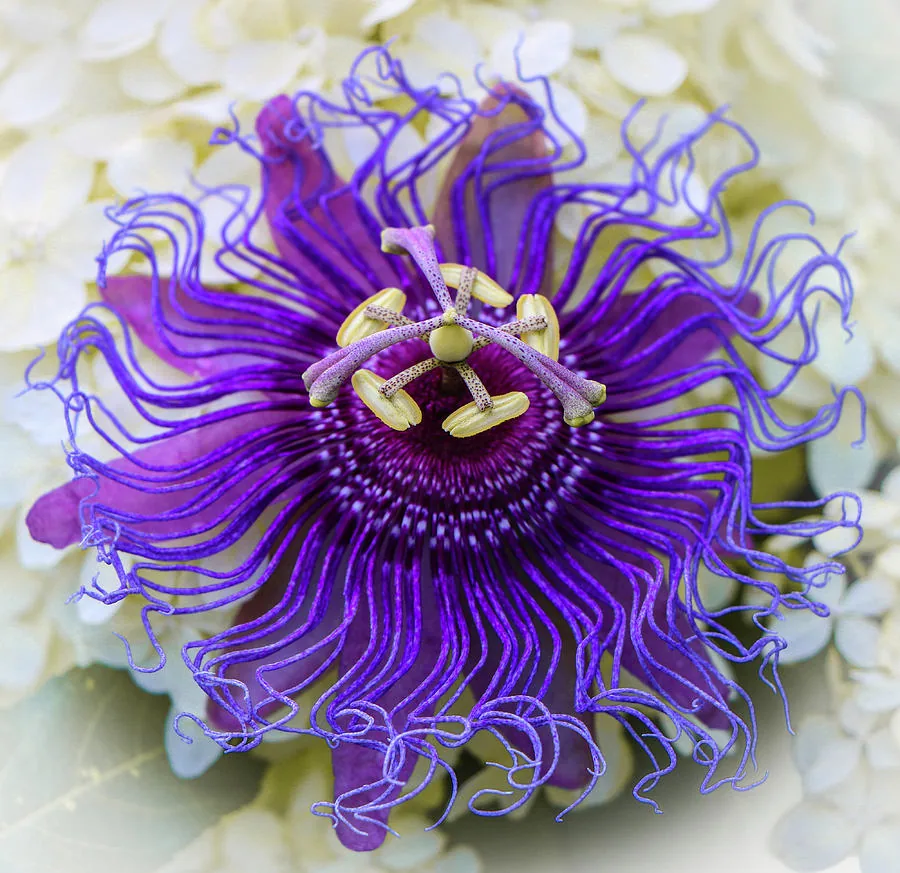
Des haricots mungo au sarrasin, la vitexine est un antioxydant présent dans de nombreuses plantes, utilisé à des fins médicinales sur tous les continents depuis l'Antiquité.64 Ce flavonoïde, passé au crible des scientifiques, a véritablement surpris les chercheurs par son spectre d'action pharmacologique très large.65 Ses effets antioxydants et anti-inflammatoires font l'objet d'études, tout comme ses propriétés neuroprotectrices, antispasmodiques et autres.66 D’un point de vue scientifique, la vitexine est classée parmi les glycosides de flavones dérivés de l’apigénine ; on la trouve dans les feuilles de bambou, la passiflore, le sarrasin, la lavande, les haricots mungo et bien d’autres encore. Cependant, la consommation de ces aliments ne suffit pas pour en obtenir une quantité significative : il faut recourir à des extraits puissants et spécifiques. La vitexine fait actuellement l’objet d’études pour son rôle potentiel dans la voie de signalisation du récepteur GABA-A, d’une manière comparable à celle des benzodiazépines, mais en tant que modulateur plutôt qu’en tant que suppresseur — c’est pourquoi elle est étudiée pour son rôle potentiel dans la réduction de l’anxiété sans sédation ni risque de dépendance.
Hericium erinaceus (crinière de lion) — le régénérateur cérébral
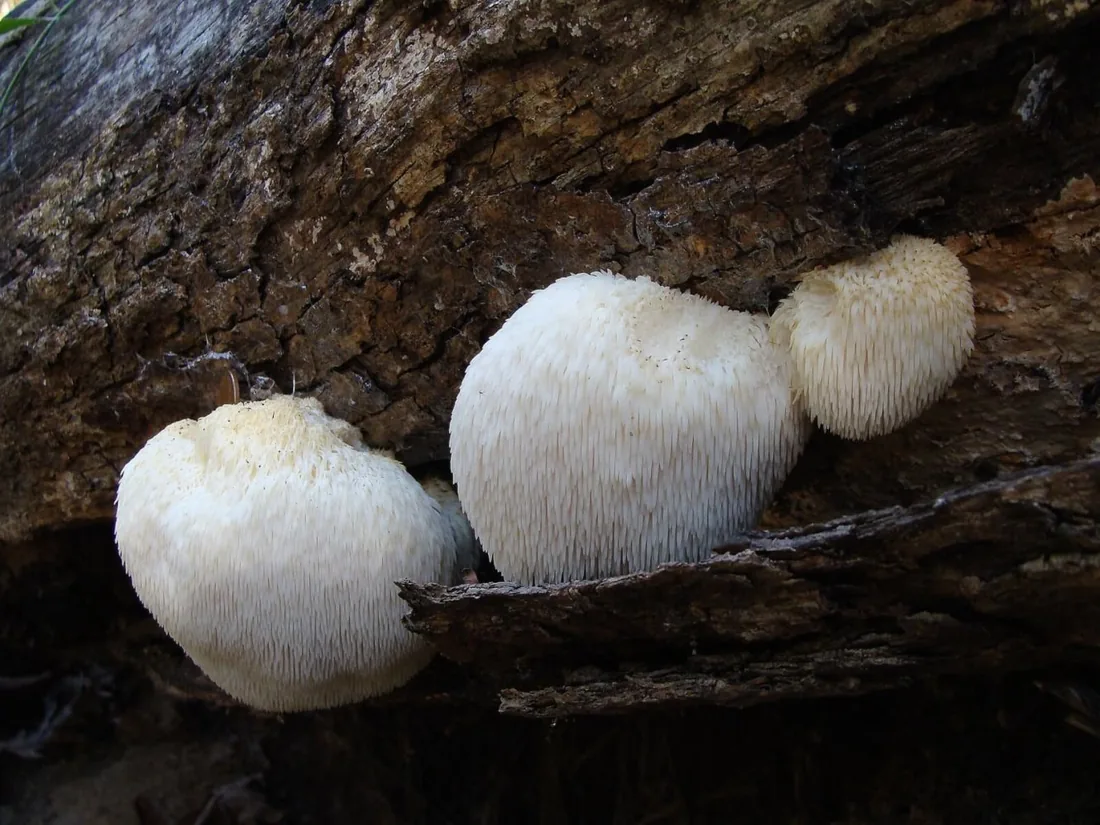
H. erinaceus est un champignon médicinal aux effets particulièrement rares, surnommé « champignon du cerveau ». Son extrait fait l'objet d'études car il serait particulièrement adapté au traitement des sentiments d'anxiété. Neurorégénération : Son rôle potentiel dans la stimulation du facteur de croissance nerveuse (NGF) fait actuellement l'objet d'études : sur des échantillons de neurones humains, l'extrait de ce champignon a permis d'augmenter efficacement la croissance des neurites de 60,6 %.86 Les recherches s'intéressent également à son rôle dans le maintien du bien-être et des fonctions cognitives. Le type d'extrait, la quantité et la concentration sont des facteurs déterminants pour l'efficacité du produit.
La vitexine fait actuellement l'objet d'études visant à évaluer son rôle potentiel dans l'activation de la voie GABA-A, à l'instar des benzodiazépines, mais en tant que modulateur, sans risque de dépendance — ces effets ont été examinés dans le cadre de plus de 80 études cliniques.
Vitexin 90 de Zenius Labs™ →L'anxiété est une réaction naturelle du cerveau face à une menace, régulée par l'équilibre entre le GABA et le glutamate. Le problème survient lorsque ce système est activé de manière chronique en l'absence de menace réelle. Des facteurs modernes — le stress, un sommeil de mauvaise qualité, une consommation excessive de glucides raffinés — augmentent continuellement le taux de glutamate et réduisent l'activité du GABA, créant ainsi un état d'anxiété chronique.
Certains composés végétaux font l'objet d'études cliniques. La vitexine (issue de Passiflora incarnata) est actuellement étudiée pour son rôle potentiel dans l'action sur les récepteurs GABA-A, d'une manière comparable à celle des benzodiazépines, mais sans risque de dépendance. Ce phénomène a été examiné auprès de différents groupes de patients dans le cadre de plus de 80 études cliniques. Discutez toujours de toute approche avec un professionnel de santé.
Les sédatifs sur ordonnance (benzodiazépines) exercent une action inhibitrice directe sur le système nerveux central et peuvent entraîner une dépendance, des troubles de la mémoire et un ralentissement des mouvements. Le Vitexin 90 de Zenius Labs™, fait actuellement l’objet d’études visant à déterminer s’il pourrait agir via la même voie de signalisation du récepteur GABA-A, mais en tant que modulateur plutôt qu’en tant qu’inhibiteur — dans le but de réduire l’anxiété sans provoquer de sédation ni de dépendance. Ces informations sont fournies à titre indicatif et ne constituent en aucun cas un avis médical.
Une légère anxiété ponctuelle peut s'atténuer. En revanche, l'anxiété chronique liée à des modifications neurochimiques ne s'atténue généralement pas sans intervention — et peut même s'aggraver avec le temps. Il est important de s'attaquer à la cause dès le début (sommeil, alimentation, activité physique, soutien GABA) plutôt que d'attendre que les symptômes s'aggravent. N'hésitez pas à faire appel à un professionnel si nécessaire.
Non, mais ces deux états vont souvent de pair. L'anxiété se caractérise par un excès d'activation et de peur ; la dépression, quant à elle, est un épuisement émotionnel et énergétique. Ces deux troubles sont associés à un déséquilibre du GABA/sérotonine, ce qui explique pourquoi certaines interventions (telles que l'extrait de Passiflora incarnata) font l'objet d'études visant à évaluer leurs effets sur ces deux troubles.
L'anxiété chronique peut avoir des effets néfastes à long terme : elle entraîne une augmentation du taux de cortisol, affaiblit le système immunitaire et accroît les risques cardiovasculaires. L'anxiété à court terme est normale, voire utile. Le problème survient lorsqu'elle devient un état permanent — il est donc important de ne pas la laisser sans réponse.
- Moreno-Agostino D et al. Characterising patterns of health behaviours in middle-aged and older adults. BMC Public Health. 2020. biomedcentral.com
- Missing: https://www.who.int/news-room/fact-sheets/detail/anxiety-disorders
- Missing: https://presse.inserm.fr/en/benzodiazepine-use-and-dementia-in-the-over-65s/47631/
- Missing: https://www.researchgate.net/publication/396450394_The_Use_of_Benzodiazepines_in_the_Elderly_Population_Epidemiology_Risks_and_Withdrawal_Management
- Miczke A et al. GABA and anxiety: IntechOpen chapter. IntechOpen. intechopen.com
- Gibson GR et al. Dietary prebiotics: current status and new definition. J Nutr. 2010. oup.com
- Nuss P. Anxiety disorders and GABA neurotransmission: a disturbance of modulation. Neuropsychiatric disease and treatment. 2015. PubMed Central
- Nutrients and neurotransmitters: IntechOpen chapter. IntechOpen. intechopen.com
- American Addiction Centers. Long-term effects of Xanax use. AmericanAddictionCenters.org. americanaddictioncenters.org
- MedlinePlus. Alprazolam (Xanax) drug information. MedlinePlus (NIH). medlineplus.gov
- Wang C et al. Glucose inhibits GABA release by pancreatic beta-cells through an increase in GABA shunt activity. Am J Physiol Endocrinol Metab. 2006. PubMed
- Levin BE et al. Regulation of energy homeostasis by peripheral signals. Am J Physiol Regul Integr Comp Physiol. 2017. physiology.org
- Kose J et al. A Comparison of Sugar Intake between Individuals with High and Low Trait Anxiety: Results from the NutriNet-Santé Study. Nutrients. 2021. PubMed
- Alasmari F. Caffeine induces neurobehavioral effects through modulating neurotransmitters. Saudi Pharm J. 2020. PubMed
- John J et al. Caffeine promotes glutamate and histamine release in the posterior hypothalamus. American journal of physiology. Regulatory, integrative and comparative physiology. 2014. PubMed Central
- Solinas M et al. Caffeine induces dopamine and glutamate release in the shell of the nucleus accumbens. The Journal of neuroscience : the official journal of the Society for Neuroscience. 2002. PubMed Central
- Psychology Today. Anxiety and social media use. PsychologyToday.com. 2020. psychologytoday.com
- Shensa A et al. Social Media Use and Depression and Anxiety Symptoms: A Cluster Analysis. American journal of health behavior. 2018. PubMed Central
- Harvard Graduate School of Education. Social media and teen anxiety. Harvard GSE. 2017. gse.harvard.edu
- Vannucci A et al. Social media use and anxiety in emerging adults. Scand J Psychol. 2017. wiley.com
- Onaolapo OJ et al. Monosodium glutamate-associated alterations in open field, anxiety-related and conditioned place preference behaviours in mice. Naunyn Schmiedebergs Arch Pharmacol. 2017. PubMed
- Ureña-Guerrero ME et al. Excitotoxic neonatal damage induced by monosodium glutamate reduces several GABAergic markers in the cerebral cortex and hippocampus in adulthood. Int J Dev Neurosci. 2009. PubMed
- Quines CB et al. Monosodium glutamate, a food additive, induces depressive-like and anxiogenic-like behaviors in young rats. Life Sci. 2014. PubMed
- Porcelli B et al. Celiac and non-celiac gluten sensitivity: a review on the association with schizophrenia and mood disorders. Auto Immun Highlights. 2014. PubMed
- Casella G et al. Mood disorders and non-celiac gluten sensitivity. Minerva Gastroenterol Dietol. 2017. PubMed
- Losurdo G et al. Extra-intestinal manifestations of non-celiac gluten sensitivity: An expanding paradigm. World J Gastroenterol. 2018. PubMed
- Addolorato G et al. Anxiety and depression in celiac disease. Intern Emerg Med. 2014. springer.com
- Verywell Health. Gluten-related neurological symptoms. VeryWellHealth.com. verywellhealth.com
- WHO Europe. Alcohol use and mental health. WHO. 2018. euro.who.int
- Norwitz NG et al. Nutrition as Metabolic Treatment for Anxiety. Front Psychiatry. 2021. PubMed
- Bear TLK et al. The Role of the Gut Microbiota in Dietary Interventions for Depression and Anxiety. Adv Nutr. 2020. PubMed
- Firth J et al. Food and mood: how do diet and nutrition affect mental wellbeing?. BMJ. 2020. PubMed
- Adan RAH et al. Nutritional psychiatry: Towards improving mental health by what you eat. Eur Neuropsychopharmacol. 2019. PubMed
- Marx W et al. Nutritional psychiatry: the present state of the evidence. Proc Nutr Soc. 2017. PubMed
- Chao L et al. Effects of Probiotics on Depressive or Anxiety Variables in Healthy Participants Under Stress Conditions or With a Depressive or Anxiety Diagnosis: A Meta-Analysis of Randomized Controlled Trials. Front Neurol. 2020. PubMed
- Sun LJ et al. Gut hormones in microbiota-gut-brain cross-talk. Chin Med J (Engl). 2020. PubMed
- Luna RA et al. Gut brain axis: diet microbiota interactions and implications for modulation of anxiety and depression. Curr Opin Biotechnol. 2015. PubMed
- Evrensel A et al. Immune-Kynurenine Pathways and the Gut Microbiota-Brain Axis in Anxiety Disorders. Adv Exp Med Biol. 2020. PubMed
- Martin CR et al. The Brain-Gut-Microbiome Axis. Cell Mol Gastroenterol Hepatol. 2018. PubMed
- Schmidt K et al. Prebiotic intake reduces the waking cortisol response and alters emotional bias in healthy volunteers. Psychopharmacology (Berl). 2015. PubMed
- Simpson CA et al. The gut microbiota in anxiety and depression. Front Psychiatry. 2018. frontiersin.org
- Rieder R et al. Microbes and mental health: A review. Brain Behav Immun. 2017. PubMed
- Messaoudi M et al. Beneficial psychological effects of a probiotic formulation (Lactobacillus helveticus R0052 and Bifidobacterium longum R0175) in healthy human volunteers. Gut Microbes. 2011. PubMed
- Steenbergen L et al. A randomized controlled trial to test the effect of multispecies probiotics on cognitive reactivity to sad mood. Brain Behav Immun. 2015. PubMed
- Taylor AM et al. A review of dietary and microbial connections to depression, anxiety, and stress. Nutr Neurosci. 2020. PubMed
- Dahl WJ et al. Dietary fibre and gut microbiome interactions. Nature Scientific Reports. 2021. nature.com
- New Brain Nutrition. Can prebiotics treat anxiety and depression?. NewBrainNutrition.com. newbrainnutrition.com
- Kao AC et al. The Influence of Prebiotics on Neurobiology and Behavior. Int Rev Neurobiol. 2016. PubMed
- Szklany K et al. Supplementation of dietary non-digestible oligosaccharides from birth onwards improve social and reduce anxiety-like behaviour in male BALB/c mice. Nutr Neurosci. 2020. PubMed
- Diabetes.co.uk. Ketogenic diet and mental health. Diabetes.co.uk. diabetes.co.uk
- Włodarczyk A et al. Ketogenic Diet: A Dietary Modification as an Anxiolytic Approach?. Nutrients. 2020. PubMed Central
- Kandola A et al. Exercise and Anxiety. Adv Exp Med Biol. 2020. PubMed
- Streeter CC et al. Yoga Asana sessions increase brain GABA levels: a pilot study. J Altern Complement Med. 2007. PubMed
- Hayasaka S et al. Effects of charcoal kiln saunas (Jjimjilbang) on psychological states. Complement Ther Clin Pract. 2008. PubMed
- Cain T et al. Effects of cold-water immersion on health and wellbeing: A systematic review and meta-analysis. PLoS One. 2025. PubMed
- Vignes M et al. Anxiolytic properties of green tea polyphenol (-)-epigallocatechin gallate (EGCG). Brain Res. 2006. PubMed
- Peters CM et al. Formulation with ascorbic acid and sucrose modulates catechin bioavailability from green tea. Food research international (Ottawa, Ont.). 2010. PubMed Central
- Jerath R et al. Self-regulation of breathing as a primary treatment for anxiety. Appl Psychophysiol Biofeedback. 2015. PubMed
- Psychology Today. Longer exhalations ease anxiety. PsychologyToday.com. 2019. psychologytoday.com
- Feathered Pipe Foundation. How breath affects the nervous system. FeatheredPipe.com. featheredpipe.com
- Kim M et al. Role Identification of Passiflora Incarnata Linnaeus: A Mini Review. Journal of menopausal medicine. 2017. PubMed Central
- Appel K et al. Modulation of the γ-aminobutyric acid (GABA) system by Passiflora incarnata L. Phytother Res. 2011. sciencedirect.com
- Babaei F et al. Review of the effects of vitexin in oxidative stress-related diseases. Food science & nutrition. 2020. PubMed Central
- Akhondzadeh S et al. Passionflower in the treatment of generalized anxiety: a pilot double-blind randomized controlled trial with oxazepam. J Clin Pharm Ther. 2001. PubMed
- Christoffoli MT et al. Assessment of Passiflora incarnata L for conscious sedation of patients during the extraction of mandibular third molars: a randomized, split-mouth, double-blind, crossover study. Quintessence Int. 2021. PubMed
- Janda K et al. Passiflora incarnata in Neuropsychiatric Disorders-A Systematic Review. Nutrients. 2020. PubMed Central
- Luscher C et al. GABA(A) receptor trafficking-mediated plasticity of inhibitory synapses. Neuron. 2000. nature.com
- Abbasi E et al. Neuroprotective effects of vitexin, a flavonoid, on pentylenetetrazole-induced seizure in rats. Chem Biol Drug Des. 2012. PubMed
- Grundmann O et al. Anxiolytic activity of a phytochemically characterized Passiflora incarnata extract is mediated via the GABAergic system. Planta Med. 2008. PubMed
- Oliveira DR et al. Flavones-bound in benzodiazepine site on GABA(A) receptor: Concomitant anxiolytic-like and cognitive-enhancing effects produced by Isovitexin and 6-C-glycoside-Diosmetin. Eur J Pharmacol. 2018. PubMed
- Šurkienė G et al. Benzodiazepinų vartojimo paplitimas Lietuvoje. Psichiatrija.lt. 2019. psichiatrija.lt
- Lakhan SE et al. Nutritional and herbal supplements for anxiety and anxiety-related disorders: systematic review. Nutrition journal. 2010. PubMed Central
- Nojoumi M et al. Effects of Passion Flower Extract, as an Add-On Treatment to Sertraline, on Reaction Time in Patients with Generalized Anxiety Disorder: A Double-Blind Placebo-Controlled Study. Iranian journal of psychiatry. 2016. PubMed Central
- Qi Y et al. Vitexin improves neuron apoptosis and memory impairment induced by isoflurane via regulation of miR-409 expression. Adv Clin Exp Med. 2020. PubMed
- Kim GH et al. Improvement in neurogenesis and memory function by administration of Passiflora incarnata L. extract applied to sleep disorder in rodent models. J Chem Neuroanat. 2019. PubMed
- Sveikatos apsaugos ministerija. Raminamųjų bei migdomųjų vaistų vartojimo grėsmės. SAM.lrv.lt. sam.lrv.lt
- Akhondzadeh S et al. Passionflower in the treatment of opiates withdrawal: a double-blind randomized controlled trial. J Clin Pharm Ther. 2001. PubMed
- Dhawan K. Drug/substance reversal effects of a novel tri-substituted benzoflavone moiety (BZF) isolated from Passiflora incarnata Linn.–a brief perspective. Addict Biol. 2003. PubMed
- de Oliveira DD et al. Vitexin Possesses Anticonvulsant and Anxiolytic-Like Effects in Murine Animal Models. Frontiers in pharmacology. 2020. PubMed Central
- Nassiri-Asl M et al. Anticonvulsant effects of aerial parts of Passiflora incarnata extract in mice: involvement of benzodiazepine and opioid receptors. BMC complementary and alternative medicine. 2007. PubMed Central
- Bourin M et al. A combination of plant extracts in the treatment of outpatients with adjustment disorder with anxious mood: controlled study versus placebo. Fundam Clin Pharmacol. 1997. PubMed
- Singh B et al. Dual protective effect of Passiflora incarnata in epilepsy and associated post-ictal depression. J Ethnopharmacol. 2012. PubMed
- Lai PL et al. Neurotrophic properties of the Lion’s mane medicinal mushroom, Hericium erinaceus (Higher Basidiomycetes) from Malaysia. Int J Med Mushrooms. 2013. PubMed
- Kolotushkina EV et al. The influence of Hericium erinaceus extract on myelination process in vitro. Fiziol Zh (1994). 2003. PubMed
- Wong KH et al. Neuroregenerative potential of lion’s mane mushroom, Hericium erinaceus (Bull.: Fr.) Pers. (higher Basidiomycetes), in the treatment of peripheral nerve injury (review). Int J Med Mushrooms. 2012. PubMed
- He X et al. Structures, biological activities, and industrial applications of the polysaccharides from Hericium erinaceus (Lion’s Mane) mushroom: A review. Int J Biol Macromol. 2017. PubMed
- Park YS et al. Effect of an exo-polysaccharide from the culture broth of Hericium erinaceus on enhancement of growth and differentiation of rat adrenal nerve cells. Cytotechnology. 2002. PubMed Central
- Samberkar S et al. Lion’s Mane, Hericium erinaceus and Tiger Milk, Lignosus rhinocerotis (Higher Basidiomycetes) Medicinal Mushrooms Stimulate Neurite Outgrowth in Dissociated Cells of Brain, Spinal Cord, and Retina: An In Vitro Study. Int J Med Mushrooms. 2015. PubMed
- Nagano M et al. Reduction of depression and anxiety by 4 weeks Hericium erinaceus intake. Biomed Res. 2010. PubMed
- Vigna L et al. Hericium erinaceus Improves Mood and Sleep Disorders in Patients Affected by Overweight or Obesity: Could Circulating Pro-BDNF and BDNF Be Potential Biomarkers?. Evid Based Complement Alternat Med. 2019. PubMed
- Friedman M. Chemistry, Nutrition, and Health-Promoting Properties of Hericium erinaceus (Lion’s Mane) Mushroom Fruiting Bodies and Mycelia and Their Bioactive Compounds. J Agric Food Chem. 2015. PubMed
- Chong PS et al. Neurogenesis-dependent antidepressant-like activity of Hericium erinaceus in an animal model of depression. Chin Med. 2021. PubMed
- Brandalise F et al. Dietary Supplementation of Hericium erinaceus Increases Mossy Fiber-CA3 Hippocampal Neurotransmission and Recognition Memory in Wild-Type Mice. Evidence-based complementary and alternative medicine : eCAM. 2017. PubMed Central
- Zhang J et al. The Neuroprotective Properties of Hericium erinaceus in Glutamate-Damaged Differentiated PC12 Cells and an Alzheimer’s Disease Mouse Model. International journal of molecular sciences. 2016. PubMed Central
- Mori K et al. Improving effects of the mushroom Yamabushitake (Hericium erinaceus) on mild cognitive impairment: a double-blind placebo-controlled clinical trial. Phytother Res. 2009. PubMed
- Chong PS et al. Therapeutic Potential of Hericium erinaceus for Depressive Disorder. Int J Mol Sci. 2019. PubMed
- Kim YO et al. Hericium erinaceus suppresses LPS-induced pro-inflammation gene activation in RAW264.7 macrophages. Immunopharmacol Immunotoxicol. 2012. PubMed
- Qin M et al. Anti-Inflammatory Effects of Ethanol Extract of Lion’s Mane Medicinal Mushroom, Hericium erinaceus (Agaricomycetes), in Mice with Ulcerative Colitis. Int J Med Mushrooms. 2016. PubMed
- Mori K et al. Effects of Hericium erinaceus on amyloid β(25-35) peptide-induced learning and memory deficits in mice. Biomed Res. 2011. PubMed
- Velasquez ACA et al. Effects of Passiflora incarnata and Valeriana officinalis in the control of anxiety due to tooth extraction: a randomized controlled clinical trial. Oral and maxillofacial surgery. 2024. PubMed
- Miyasaka LS et al. Passiflora for anxiety disorder. The Cochrane database of systematic reviews. 2007. PubMed
- Wolfman C et al. Possible anxiolytic effects of chrysin, a central benzodiazepine receptor ligand isolated from Passiflora coerulea. Pharmacology, biochemistry, and behavior. 1994. PubMed
- Krenn L [Passion Flower (Passiflora incarnata L.)–a reliable herbal sedative]. Wiener medizinische Wochenschrift (1946). 2002. PubMed
- Medina JH et al. Chrysin (5,7-di-OH-flavone), a naturally-occurring ligand for benzodiazepine receptors, with anticonvulsant properties. Biochemical pharmacology. 1990. PubMed
- Al Hasan MS et al. Assessment of sedative activity of Chrysin: Behavioral approach with pharmacokinetics, toxicological profile and molecular docking. Sleep medicine. 2025. PubMed
- Nagano M et al. Reduction of depression and anxiety by 4 weeks Hericium erinaceus intake. Biomedical research (Tokyo, Japan). 2010. PubMed
- Vigna L et al. Hericium erinaceus Improves Mood and Sleep Disorders in Patients Affected by Overweight or Obesity: Could Circulating Pro-BDNF and BDNF Be Potential Biomarkers?. Evidence-based complementary and alternative medicine : eCAM. 2019. PubMed
- Koszła O et al. Biotransformation of Ganoderma lucidum and Hericium erinaceus for ex vivo gut-brain axis modulation and mood-related outcomes in humans: CREB/BDNF signaling and microbiota-driven synergies. Journal of ethnopharmacology. 2025. PubMed
- Mori K et al. Nerve growth factor-inducing activity of Hericium erinaceus in 1321N1 human astrocytoma cells. Biological & pharmaceutical bulletin. 2008. PubMed
- Lai PL et al. Neurotrophic properties of the Lion’s mane medicinal mushroom, Hericium erinaceus (Higher Basidiomycetes) from Malaysia. International journal of medicinal mushrooms. 2013. PubMed
- Cipriano GL et al. Beyond Neurotrophins: A Proposed Neurotrophic-Epigenetic Axis Mediated by Non-Coding RNA Networks for Hericium erinaceus Bioactives-A Hypothesis-Driven Review. International journal of molecular sciences. 2026. PubMed
- Roda E et al. Cognitive Healthy Aging in Mice: Boosting Memory by an Ergothioneine-Rich Hericium erinaceus Primordium Extract. Biology. 2023. PubMed
- Ratto D et al. Hericium erinaceus Improves Recognition Memory and Induces Hippocampal and Cerebellar Neurogenesis in Frail Mice during Aging. Nutrients. 2019. PubMed
- Priori EC et al. Hericium erinaceus Extract Exerts Beneficial Effects on Gut-Neuroinflammaging-Cognitive Axis in Elderly Mice. Biology. 2023. PubMed
- Jeanclos E et al. Improved cognition, mild anxiety-like behavior and decreased motor performance in pyridoxal phosphatase-deficient mice. Biochimica et biophysica acta. Molecular basis of disease. 2019. PubMed
- Kasaragod VB et al. Pyridoxal kinase inhibition by artemisinins down-regulates inhibitory neurotransmission. Proceedings of the National Academy of Sciences of the United States of America. 2020. PubMed
- Singhuber J et al. GABA(A) receptor modulators from Chinese herbal medicines traditionally applied against insomnia and anxiety. Phytomedicine : international journal of phytotherapy and phytopharmacology. 2012. PubMed
- Evans AK et al. Pharmacology of the beta-carboline FG-7,142, a partial inverse agonist at the benzodiazepine allosteric site of the GABA A receptor: neurochemical, neurophysiological, and behavioral effects. CNS drug reviews. 2007. PubMed
- Zhong H et al. Neonatal inflammation via persistent TGF-β1 downregulation decreases GABA(A)R expression in basolateral amygdala leading to the imbalance of the local excitation-inhibition circuits and anxiety-like phenotype in adult mice. Neurobiology of disease. 2022. PubMed
- Pétursson H The benzodiazepine withdrawal syndrome. Addiction (Abingdon, England). 1994. PubMed
- Soyka M Treatment of Benzodiazepine Dependence. The New England journal of medicine. 2017. PubMed
- O’brien CP Benzodiazepine use, abuse, and dependence. The Journal of clinical psychiatry. 2005. PubMed
- Akhondzadeh S et al. Passionflower in the treatment of generalized anxiety: a pilot double-blind randomized controlled trial with oxazepam. Journal of clinical pharmacy and therapeutics. 2001. PubMed
- Stein MB Neurobiology of generalized anxiety disorder. The Journal of clinical psychiatry. 2009. PubMed
- Pollack MH Refractory generalized anxiety disorder. The Journal of clinical psychiatry. 2009. PubMed
- Richier C et al. Brain Age Prediction in Generalized Anxiety Disorder using a Convolutional Neural Network. Research square. 2025. PubMed
- Amigó J et al. The absence of 5-HT(4) receptors modulates depression- and anxiety-like responses and influences the response of fluoxetine in olfactory bulbectomised mice: Adaptive changes in hippocampal neuroplasticity markers and 5-HT(1A) autoreceptor. Neuropharmacology. 2016. PubMed
- Paliokha R et al. Effects of pre-gestational exposure to the stressors and perinatal mirtazapine administration on the excitability of hippocampal glutamate and brainstem monoaminergic neurons, hippocampal neuroplasticity, and anxiety-like behavior in rats. Molecular psychiatry. 2026. PubMed
- Cryan JF et al. The Microbiota-Gut-Brain Axis. Physiological reviews. 2019. PubMed
- Rutsch A et al. The Gut-Brain Axis: How Microbiota and Host Inflammasome Influence Brain Physiology and Pathology. Frontiers in immunology. 2020. PubMed
- Foster JA et al. Stress & the gut-brain axis: Regulation by the microbiome. Neurobiology of stress. 2017. PubMed
- Bear T et al. The Microbiome-Gut-Brain Axis and Resilience to Developing Anxiety or Depression under Stress. Microorganisms. 2021. PubMed