- La ansiedad es un conjunto de trastornos (ataques de pánico, ansiedad social, trastorno de ansiedad generalizada, fobias) que afectan al 2,5-7 % de la población y que tienen en común un miedo y una inseguridad agotadores.
- Su origen radica en el equilibrio entre dos neurotransmisores: el glutamato (que excita) y el GABA (que calma); la ansiedad crónica se produce cuando el glutamato predomina sobre el GABA.
- Lo primero es el estilo de vida: reducir el consumo de azúcar, carbohidratos refinados y estimulantes, y mejorar el sueño; actualmente se está estudiando una dieta cetogénica por su posible papel en el aumento de GABA.
- Se estudian dos compuestos naturales: la vitexina (modulador de GABA-A, sin dependencia) y Hericium erinaceus / Melena de león (neurorregeneración, NGF).
¿Qué es la ansiedad?
Si estás buscando la respuesta a esta pregunta, probablemente ya te hayas enfrentado personalmente a la sombra de la ansiedad. Aunque este estado no es difícil de definir, es mucho más importante comprender su origen. Una vez que comprendamos qué es lo que provoca la ansiedad, podremos encontrar formas naturales de recuperar la calma interior —esa sensación de tranquilidad que muchos recordamos de la infancia, cuando el mundo aún no parecía tan complicado—. Nuestro equilibrio neurológico suele cambiar muy lentamente. Es un proceso que dura años, por lo que los cambios son difíciles de percibir. La mayoría de las veces solo nos paramos a reflexionar sobre ello cuando se producen ataques de pánico bruscos, o cuando la vida cotidiana se ve envuelta en una inquietud constante.
Los distintos tipos de trastornos de ansiedad
Es importante comprender que la ansiedad no es un único estado, sino todo un conjunto de trastornos diferentes. Entre ellos se incluyen los ataques de pánico, la ansiedad social, la ansiedad por separación, las fobias y, quizás el más común, el trastorno de ansiedad generalizada. Aunque los diagnósticos difieren, tienen un denominador común: una agotadora sensación de miedo e inseguridad. La ansiedad afecta a entre el 2,5 % y el 7 % de la población, aunque esta cifra varía según el país.2
¿Por qué surge la ansiedad?
El correcto funcionamiento del cerebro depende del equilibrio entre dos neurotransmisores (transportadores de información). Este sistema se autorregula mediante dos fuerzas principales: imagina una balanza que busca constantemente el equilibrio.8 Los dos neurotransmisores clave son el glutamato y el GABA, que actúan de forma opuesta: el glutamato excita,9 mientras que el GABA lo inhibe.10 Esto es lo que nos proporciona el equilibrio mental. Cuando el glutamato predomina sobre el GABA, el resultado es ese estado de hiperactividad e inquietud que experimentamos como ansiedad.
¿Qué provoca ansiedad (glutamato) en tu cerebro?
Para controlar la ansiedad, no basta con adoptar nuevos hábitos: primero hay que eliminar aquello que estimula constantemente el sistema nervioso. El objetivo principal: equilibrar el glutamato (el neurotransmisor estimulante) y el GABA (el neurotransmisor calmante). Qué hay que eliminar o limitar en gran medida: Azúcar y carbohidratos de absorción rápida — Los dulces, los productos de panadería, las bebidas azucaradas e incluso un consumo excesivo de fruta dulce provocan picos bruscos de insulina que influyen directamente en los cambios de humor.14 El consumo excesivo de estimulantes, la falta de sueño y el estrés crónico además, mantienen altos los niveles de glutamato. Un consejo: las verduras de hoja verde oscura son una fuente mucho más eficaz de vitaminas y minerales.
Cómo recuperar la calma: activando GABA
Si el glutamato es el «acelerador» del cerebro, entonces el GABA (ácido gamma-aminobutírico) es su «freno». Para superar la ansiedad, necesitamos activar estos frenos, mediante cambios en el estilo de vida y sustancias de origen natural. Una dieta cetogénica ayuda a combatir la ansiedad y aumenta los niveles de GABA,53 así pues, para quienes siguen este plan bajo en hidratos de carbono, no solo ayuda a controlar la ansiedad, sino que también mejora la memoria y la función cognitiva. Cada vez son más los especialistas que recomiendan un cambio en la alimentación como primer paso antes de recurrir al tratamiento farmacológico.54
Compuestos naturales para la ansiedad
Si los cambios en el estilo de vida no son suficientes, la naturaleza ofrece dos potentes compuestos activos cuya eficacia puede rivalizar con la de los medicamentos, pero sin sus efectos secundarios. Existen suficientes estudios que permiten hacerse una idea de su impresionante efecto sobre el cerebro, por lo que se recomienda el uso combinado de ambos para quienes deseen equilibrar la actividad cerebral y vivir con tranquilidad en medio del enorme flujo de información de la vida cotidiana. Se trata del flavonoide vitexina y del hongo medicinal Hericium erinaceus (melena de león).
Vitexina: el latido de la calma que nos ofrece la naturaleza
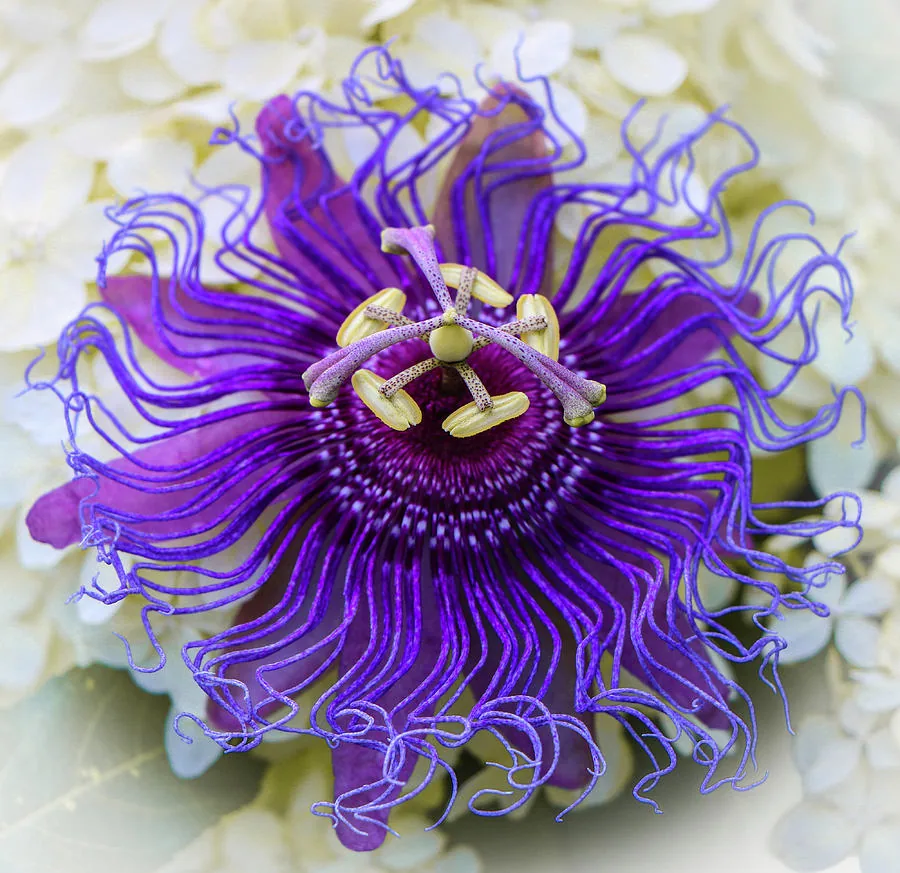
Desde los frijoles mungo hasta el trigo sarraceno, la vitexina es un antioxidante presente en muchas plantas, que se utiliza con fines medicinales en todos los continentes desde la antigüedad.64 Este flavonoide, sometido al minucioso análisis de los científicos, sorprendió de verdad a los investigadores por su amplio espectro de efectos farmacológicos.65 Se están estudiando sus efectos antioxidantes y antiinflamatorios, así como sus propiedades neuroprotectoras, antiespasmódicas y de otro tipo.66 Desde el punto de vista científico, la vitexina se clasifica como un glucósido de flavona de la apigenina, presente en las hojas de bambú, la pasiflora, el trigo sarraceno, la lavanda, los frijoles mungo y muchos otros alimentos. Sin embargo, el consumo de estos alimentos no es suficiente para obtener una cantidad significativa; se necesitan extractos potentes y específicos. Se está investigando la vitexina por su posible papel en la vía del receptor GABA-A, de forma comparable a las benzodiazepinas, pero como modulador en lugar de como supresor; de ahí que se esté estudiando su potencial para reducir la ansiedad sin sedación ni riesgo de dependencia.
Hericium erinaceus (melena de león): el regenerador cerebral
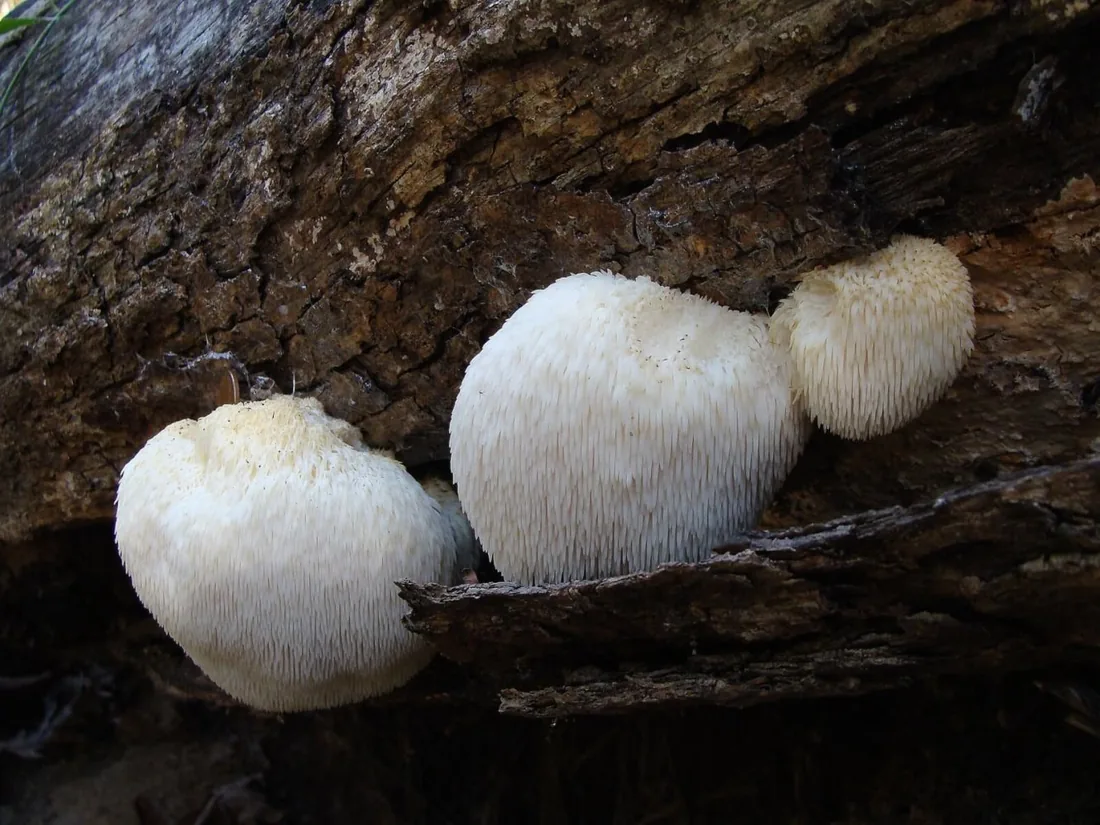
H. erinaceus es un hongo medicinal con un efecto especialmente poco común, conocido como el «hongo del cerebro». Se está estudiando su extracto por ser especialmente adecuado para tratar la ansiedad. Neurorregeneración: Se está estudiando su posible papel en la estimulación del factor de crecimiento nervioso (NGF): en muestras de neuronas humanas, el extracto de esta seta aumentó de forma efectiva el crecimiento de las neuritas en un 60,6 %.86 Las investigaciones también analizan su papel en el mantenimiento del estado de ánimo y la función cognitiva. Para que surta efecto, es importante elegir el tipo de extracto adecuado, así como la cantidad y la concentración correctas.
Se está investigando la vitexina por su posible papel en la vía GABA-A, de forma similar a las benzodiazepinas, pero como modulador y sin riesgo de dependencia; esto se ha analizado en más de 80 estudios clínicos.
Vitexin 90 de Zenius Labs™ →La ansiedad es una respuesta natural del cerebro ante una amenaza, regulada por el equilibrio entre el GABA y el glutamato. El problema surge cuando este sistema se activa de forma crónica sin que exista una amenaza real. Los factores actuales —el estrés, la falta de sueño y el consumo excesivo de carbohidratos refinados— aumentan continuamente los niveles de glutamato y reducen la actividad del GABA, lo que genera un estado de ansiedad crónica.
Algunos compuestos vegetales son objeto de estudios clínicos. La vitexina (procedente de la Passiflora incarnata) está siendo investigada por su posible mecanismo de acción a través de los receptores GABA-A, de forma similar a las benzodiazepinas, pero sin riesgo de dependencia. Esto se ha analizado en distintos grupos de pacientes en más de 80 estudios clínicos. Consulte siempre cualquier tratamiento con un profesional sanitario.
Los sedantes recetados (benzodiazepinas) inhiben directamente el sistema nervioso central y pueden provocar dependencia, problemas de memoria y lentitud en los movimientos. Se está estudiando el Vitexin 90 de Zenius Labs™ por su posible papel al actuar a través de la misma vía del receptor GABA-A, pero como modulador en lugar de como supresor; se está investigando su capacidad para reducir la ansiedad sin provocar sedación ni dependencia. Esta información tiene carácter meramente informativo y no constituye un consejo médico.
La ansiedad leve relacionada con situaciones concretas sí puede remitir. Sin embargo, la ansiedad crónica asociada a cambios neuroquímicos no suele remitir sin intervención, y puede agravarse con el tiempo. Es importante abordar la causa a tiempo (sueño, alimentación, actividad física, apoyo de GABA) en lugar de esperar a que los síntomas empeoren. Busca ayuda profesional cuando sea necesario.
No, pero suelen ir de la mano. La ansiedad es un exceso de activación y miedo; la depresión es un agotamiento emocional y energético. Ambas están relacionadas con un desequilibrio de GABA/serotonina, por lo que se están estudiando algunas intervenciones (como el extracto de Passiflora incarnata) para evaluar sus efectos sobre ambas.
La ansiedad crónica puede ser perjudicial a largo plazo: aumenta los niveles de cortisol, debilita el sistema inmunitario y aumenta el riesgo cardiovascular. La ansiedad a corto plazo es normal e incluso útil. El problema surge cuando se convierte en un estado habitual de la vida, por lo que es importante no dejarla sin tratar.
- Moreno-Agostino D et al. Characterising patterns of health behaviours in middle-aged and older adults. BMC Public Health. 2020. biomedcentral.com
- Missing: https://www.who.int/news-room/fact-sheets/detail/anxiety-disorders
- Missing: https://presse.inserm.fr/en/benzodiazepine-use-and-dementia-in-the-over-65s/47631/
- Missing: https://www.researchgate.net/publication/396450394_The_Use_of_Benzodiazepines_in_the_Elderly_Population_Epidemiology_Risks_and_Withdrawal_Management
- Miczke A et al. GABA and anxiety: IntechOpen chapter. IntechOpen. intechopen.com
- Gibson GR et al. Dietary prebiotics: current status and new definition. J Nutr. 2010. oup.com
- Nuss P. Anxiety disorders and GABA neurotransmission: a disturbance of modulation. Neuropsychiatric disease and treatment. 2015. PubMed Central
- Nutrients and neurotransmitters: IntechOpen chapter. IntechOpen. intechopen.com
- American Addiction Centers. Long-term effects of Xanax use. AmericanAddictionCenters.org. americanaddictioncenters.org
- MedlinePlus. Alprazolam (Xanax) drug information. MedlinePlus (NIH). medlineplus.gov
- Wang C et al. Glucose inhibits GABA release by pancreatic beta-cells through an increase in GABA shunt activity. Am J Physiol Endocrinol Metab. 2006. PubMed
- Levin BE et al. Regulation of energy homeostasis by peripheral signals. Am J Physiol Regul Integr Comp Physiol. 2017. physiology.org
- Kose J et al. A Comparison of Sugar Intake between Individuals with High and Low Trait Anxiety: Results from the NutriNet-Santé Study. Nutrients. 2021. PubMed
- Alasmari F. Caffeine induces neurobehavioral effects through modulating neurotransmitters. Saudi Pharm J. 2020. PubMed
- John J et al. Caffeine promotes glutamate and histamine release in the posterior hypothalamus. American journal of physiology. Regulatory, integrative and comparative physiology. 2014. PubMed Central
- Solinas M et al. Caffeine induces dopamine and glutamate release in the shell of the nucleus accumbens. The Journal of neuroscience : the official journal of the Society for Neuroscience. 2002. PubMed Central
- Psychology Today. Anxiety and social media use. PsychologyToday.com. 2020. psychologytoday.com
- Shensa A et al. Social Media Use and Depression and Anxiety Symptoms: A Cluster Analysis. American journal of health behavior. 2018. PubMed Central
- Harvard Graduate School of Education. Social media and teen anxiety. Harvard GSE. 2017. gse.harvard.edu
- Vannucci A et al. Social media use and anxiety in emerging adults. Scand J Psychol. 2017. wiley.com
- Onaolapo OJ et al. Monosodium glutamate-associated alterations in open field, anxiety-related and conditioned place preference behaviours in mice. Naunyn Schmiedebergs Arch Pharmacol. 2017. PubMed
- Ureña-Guerrero ME et al. Excitotoxic neonatal damage induced by monosodium glutamate reduces several GABAergic markers in the cerebral cortex and hippocampus in adulthood. Int J Dev Neurosci. 2009. PubMed
- Quines CB et al. Monosodium glutamate, a food additive, induces depressive-like and anxiogenic-like behaviors in young rats. Life Sci. 2014. PubMed
- Porcelli B et al. Celiac and non-celiac gluten sensitivity: a review on the association with schizophrenia and mood disorders. Auto Immun Highlights. 2014. PubMed
- Casella G et al. Mood disorders and non-celiac gluten sensitivity. Minerva Gastroenterol Dietol. 2017. PubMed
- Losurdo G et al. Extra-intestinal manifestations of non-celiac gluten sensitivity: An expanding paradigm. World J Gastroenterol. 2018. PubMed
- Addolorato G et al. Anxiety and depression in celiac disease. Intern Emerg Med. 2014. springer.com
- Verywell Health. Gluten-related neurological symptoms. VeryWellHealth.com. verywellhealth.com
- WHO Europe. Alcohol use and mental health. WHO. 2018. euro.who.int
- Norwitz NG et al. Nutrition as Metabolic Treatment for Anxiety. Front Psychiatry. 2021. PubMed
- Bear TLK et al. The Role of the Gut Microbiota in Dietary Interventions for Depression and Anxiety. Adv Nutr. 2020. PubMed
- Firth J et al. Food and mood: how do diet and nutrition affect mental wellbeing?. BMJ. 2020. PubMed
- Adan RAH et al. Nutritional psychiatry: Towards improving mental health by what you eat. Eur Neuropsychopharmacol. 2019. PubMed
- Marx W et al. Nutritional psychiatry: the present state of the evidence. Proc Nutr Soc. 2017. PubMed
- Chao L et al. Effects of Probiotics on Depressive or Anxiety Variables in Healthy Participants Under Stress Conditions or With a Depressive or Anxiety Diagnosis: A Meta-Analysis of Randomized Controlled Trials. Front Neurol. 2020. PubMed
- Sun LJ et al. Gut hormones in microbiota-gut-brain cross-talk. Chin Med J (Engl). 2020. PubMed
- Luna RA et al. Gut brain axis: diet microbiota interactions and implications for modulation of anxiety and depression. Curr Opin Biotechnol. 2015. PubMed
- Evrensel A et al. Immune-Kynurenine Pathways and the Gut Microbiota-Brain Axis in Anxiety Disorders. Adv Exp Med Biol. 2020. PubMed
- Martin CR et al. The Brain-Gut-Microbiome Axis. Cell Mol Gastroenterol Hepatol. 2018. PubMed
- Schmidt K et al. Prebiotic intake reduces the waking cortisol response and alters emotional bias in healthy volunteers. Psychopharmacology (Berl). 2015. PubMed
- Simpson CA et al. The gut microbiota in anxiety and depression. Front Psychiatry. 2018. frontiersin.org
- Rieder R et al. Microbes and mental health: A review. Brain Behav Immun. 2017. PubMed
- Messaoudi M et al. Beneficial psychological effects of a probiotic formulation (Lactobacillus helveticus R0052 and Bifidobacterium longum R0175) in healthy human volunteers. Gut Microbes. 2011. PubMed
- Steenbergen L et al. A randomized controlled trial to test the effect of multispecies probiotics on cognitive reactivity to sad mood. Brain Behav Immun. 2015. PubMed
- Taylor AM et al. A review of dietary and microbial connections to depression, anxiety, and stress. Nutr Neurosci. 2020. PubMed
- Dahl WJ et al. Dietary fibre and gut microbiome interactions. Nature Scientific Reports. 2021. nature.com
- New Brain Nutrition. Can prebiotics treat anxiety and depression?. NewBrainNutrition.com. newbrainnutrition.com
- Kao AC et al. The Influence of Prebiotics on Neurobiology and Behavior. Int Rev Neurobiol. 2016. PubMed
- Szklany K et al. Supplementation of dietary non-digestible oligosaccharides from birth onwards improve social and reduce anxiety-like behaviour in male BALB/c mice. Nutr Neurosci. 2020. PubMed
- Diabetes.co.uk. Ketogenic diet and mental health. Diabetes.co.uk. diabetes.co.uk
- Włodarczyk A et al. Ketogenic Diet: A Dietary Modification as an Anxiolytic Approach?. Nutrients. 2020. PubMed Central
- Kandola A et al. Exercise and Anxiety. Adv Exp Med Biol. 2020. PubMed
- Streeter CC et al. Yoga Asana sessions increase brain GABA levels: a pilot study. J Altern Complement Med. 2007. PubMed
- Hayasaka S et al. Effects of charcoal kiln saunas (Jjimjilbang) on psychological states. Complement Ther Clin Pract. 2008. PubMed
- Cain T et al. Effects of cold-water immersion on health and wellbeing: A systematic review and meta-analysis. PLoS One. 2025. PubMed
- Vignes M et al. Anxiolytic properties of green tea polyphenol (-)-epigallocatechin gallate (EGCG). Brain Res. 2006. PubMed
- Peters CM et al. Formulation with ascorbic acid and sucrose modulates catechin bioavailability from green tea. Food research international (Ottawa, Ont.). 2010. PubMed Central
- Jerath R et al. Self-regulation of breathing as a primary treatment for anxiety. Appl Psychophysiol Biofeedback. 2015. PubMed
- Psychology Today. Longer exhalations ease anxiety. PsychologyToday.com. 2019. psychologytoday.com
- Feathered Pipe Foundation. How breath affects the nervous system. FeatheredPipe.com. featheredpipe.com
- Kim M et al. Role Identification of Passiflora Incarnata Linnaeus: A Mini Review. Journal of menopausal medicine. 2017. PubMed Central
- Appel K et al. Modulation of the γ-aminobutyric acid (GABA) system by Passiflora incarnata L. Phytother Res. 2011. sciencedirect.com
- Babaei F et al. Review of the effects of vitexin in oxidative stress-related diseases. Food science & nutrition. 2020. PubMed Central
- Akhondzadeh S et al. Passionflower in the treatment of generalized anxiety: a pilot double-blind randomized controlled trial with oxazepam. J Clin Pharm Ther. 2001. PubMed
- Christoffoli MT et al. Assessment of Passiflora incarnata L for conscious sedation of patients during the extraction of mandibular third molars: a randomized, split-mouth, double-blind, crossover study. Quintessence Int. 2021. PubMed
- Janda K et al. Passiflora incarnata in Neuropsychiatric Disorders-A Systematic Review. Nutrients. 2020. PubMed Central
- Luscher C et al. GABA(A) receptor trafficking-mediated plasticity of inhibitory synapses. Neuron. 2000. nature.com
- Abbasi E et al. Neuroprotective effects of vitexin, a flavonoid, on pentylenetetrazole-induced seizure in rats. Chem Biol Drug Des. 2012. PubMed
- Grundmann O et al. Anxiolytic activity of a phytochemically characterized Passiflora incarnata extract is mediated via the GABAergic system. Planta Med. 2008. PubMed
- Oliveira DR et al. Flavones-bound in benzodiazepine site on GABA(A) receptor: Concomitant anxiolytic-like and cognitive-enhancing effects produced by Isovitexin and 6-C-glycoside-Diosmetin. Eur J Pharmacol. 2018. PubMed
- Šurkienė G et al. Benzodiazepinų vartojimo paplitimas Lietuvoje. Psichiatrija.lt. 2019. psichiatrija.lt
- Lakhan SE et al. Nutritional and herbal supplements for anxiety and anxiety-related disorders: systematic review. Nutrition journal. 2010. PubMed Central
- Nojoumi M et al. Effects of Passion Flower Extract, as an Add-On Treatment to Sertraline, on Reaction Time in Patients with Generalized Anxiety Disorder: A Double-Blind Placebo-Controlled Study. Iranian journal of psychiatry. 2016. PubMed Central
- Qi Y et al. Vitexin improves neuron apoptosis and memory impairment induced by isoflurane via regulation of miR-409 expression. Adv Clin Exp Med. 2020. PubMed
- Kim GH et al. Improvement in neurogenesis and memory function by administration of Passiflora incarnata L. extract applied to sleep disorder in rodent models. J Chem Neuroanat. 2019. PubMed
- Sveikatos apsaugos ministerija. Raminamųjų bei migdomųjų vaistų vartojimo grėsmės. SAM.lrv.lt. sam.lrv.lt
- Akhondzadeh S et al. Passionflower in the treatment of opiates withdrawal: a double-blind randomized controlled trial. J Clin Pharm Ther. 2001. PubMed
- Dhawan K. Drug/substance reversal effects of a novel tri-substituted benzoflavone moiety (BZF) isolated from Passiflora incarnata Linn.–a brief perspective. Addict Biol. 2003. PubMed
- de Oliveira DD et al. Vitexin Possesses Anticonvulsant and Anxiolytic-Like Effects in Murine Animal Models. Frontiers in pharmacology. 2020. PubMed Central
- Nassiri-Asl M et al. Anticonvulsant effects of aerial parts of Passiflora incarnata extract in mice: involvement of benzodiazepine and opioid receptors. BMC complementary and alternative medicine. 2007. PubMed Central
- Bourin M et al. A combination of plant extracts in the treatment of outpatients with adjustment disorder with anxious mood: controlled study versus placebo. Fundam Clin Pharmacol. 1997. PubMed
- Singh B et al. Dual protective effect of Passiflora incarnata in epilepsy and associated post-ictal depression. J Ethnopharmacol. 2012. PubMed
- Lai PL et al. Neurotrophic properties of the Lion’s mane medicinal mushroom, Hericium erinaceus (Higher Basidiomycetes) from Malaysia. Int J Med Mushrooms. 2013. PubMed
- Kolotushkina EV et al. The influence of Hericium erinaceus extract on myelination process in vitro. Fiziol Zh (1994). 2003. PubMed
- Wong KH et al. Neuroregenerative potential of lion’s mane mushroom, Hericium erinaceus (Bull.: Fr.) Pers. (higher Basidiomycetes), in the treatment of peripheral nerve injury (review). Int J Med Mushrooms. 2012. PubMed
- He X et al. Structures, biological activities, and industrial applications of the polysaccharides from Hericium erinaceus (Lion’s Mane) mushroom: A review. Int J Biol Macromol. 2017. PubMed
- Park YS et al. Effect of an exo-polysaccharide from the culture broth of Hericium erinaceus on enhancement of growth and differentiation of rat adrenal nerve cells. Cytotechnology. 2002. PubMed Central
- Samberkar S et al. Lion’s Mane, Hericium erinaceus and Tiger Milk, Lignosus rhinocerotis (Higher Basidiomycetes) Medicinal Mushrooms Stimulate Neurite Outgrowth in Dissociated Cells of Brain, Spinal Cord, and Retina: An In Vitro Study. Int J Med Mushrooms. 2015. PubMed
- Nagano M et al. Reduction of depression and anxiety by 4 weeks Hericium erinaceus intake. Biomed Res. 2010. PubMed
- Vigna L et al. Hericium erinaceus Improves Mood and Sleep Disorders in Patients Affected by Overweight or Obesity: Could Circulating Pro-BDNF and BDNF Be Potential Biomarkers?. Evid Based Complement Alternat Med. 2019. PubMed
- Friedman M. Chemistry, Nutrition, and Health-Promoting Properties of Hericium erinaceus (Lion’s Mane) Mushroom Fruiting Bodies and Mycelia and Their Bioactive Compounds. J Agric Food Chem. 2015. PubMed
- Chong PS et al. Neurogenesis-dependent antidepressant-like activity of Hericium erinaceus in an animal model of depression. Chin Med. 2021. PubMed
- Brandalise F et al. Dietary Supplementation of Hericium erinaceus Increases Mossy Fiber-CA3 Hippocampal Neurotransmission and Recognition Memory in Wild-Type Mice. Evidence-based complementary and alternative medicine : eCAM. 2017. PubMed Central
- Zhang J et al. The Neuroprotective Properties of Hericium erinaceus in Glutamate-Damaged Differentiated PC12 Cells and an Alzheimer’s Disease Mouse Model. International journal of molecular sciences. 2016. PubMed Central
- Mori K et al. Improving effects of the mushroom Yamabushitake (Hericium erinaceus) on mild cognitive impairment: a double-blind placebo-controlled clinical trial. Phytother Res. 2009. PubMed
- Chong PS et al. Therapeutic Potential of Hericium erinaceus for Depressive Disorder. Int J Mol Sci. 2019. PubMed
- Kim YO et al. Hericium erinaceus suppresses LPS-induced pro-inflammation gene activation in RAW264.7 macrophages. Immunopharmacol Immunotoxicol. 2012. PubMed
- Qin M et al. Anti-Inflammatory Effects of Ethanol Extract of Lion’s Mane Medicinal Mushroom, Hericium erinaceus (Agaricomycetes), in Mice with Ulcerative Colitis. Int J Med Mushrooms. 2016. PubMed
- Mori K et al. Effects of Hericium erinaceus on amyloid β(25-35) peptide-induced learning and memory deficits in mice. Biomed Res. 2011. PubMed
- Velasquez ACA et al. Effects of Passiflora incarnata and Valeriana officinalis in the control of anxiety due to tooth extraction: a randomized controlled clinical trial. Oral and maxillofacial surgery. 2024. PubMed
- Miyasaka LS et al. Passiflora for anxiety disorder. The Cochrane database of systematic reviews. 2007. PubMed
- Wolfman C et al. Possible anxiolytic effects of chrysin, a central benzodiazepine receptor ligand isolated from Passiflora coerulea. Pharmacology, biochemistry, and behavior. 1994. PubMed
- Krenn L [Passion Flower (Passiflora incarnata L.)–a reliable herbal sedative]. Wiener medizinische Wochenschrift (1946). 2002. PubMed
- Medina JH et al. Chrysin (5,7-di-OH-flavone), a naturally-occurring ligand for benzodiazepine receptors, with anticonvulsant properties. Biochemical pharmacology. 1990. PubMed
- Al Hasan MS et al. Assessment of sedative activity of Chrysin: Behavioral approach with pharmacokinetics, toxicological profile and molecular docking. Sleep medicine. 2025. PubMed
- Nagano M et al. Reduction of depression and anxiety by 4 weeks Hericium erinaceus intake. Biomedical research (Tokyo, Japan). 2010. PubMed
- Vigna L et al. Hericium erinaceus Improves Mood and Sleep Disorders in Patients Affected by Overweight or Obesity: Could Circulating Pro-BDNF and BDNF Be Potential Biomarkers?. Evidence-based complementary and alternative medicine : eCAM. 2019. PubMed
- Koszła O et al. Biotransformation of Ganoderma lucidum and Hericium erinaceus for ex vivo gut-brain axis modulation and mood-related outcomes in humans: CREB/BDNF signaling and microbiota-driven synergies. Journal of ethnopharmacology. 2025. PubMed
- Mori K et al. Nerve growth factor-inducing activity of Hericium erinaceus in 1321N1 human astrocytoma cells. Biological & pharmaceutical bulletin. 2008. PubMed
- Lai PL et al. Neurotrophic properties of the Lion’s mane medicinal mushroom, Hericium erinaceus (Higher Basidiomycetes) from Malaysia. International journal of medicinal mushrooms. 2013. PubMed
- Cipriano GL et al. Beyond Neurotrophins: A Proposed Neurotrophic-Epigenetic Axis Mediated by Non-Coding RNA Networks for Hericium erinaceus Bioactives-A Hypothesis-Driven Review. International journal of molecular sciences. 2026. PubMed
- Roda E et al. Cognitive Healthy Aging in Mice: Boosting Memory by an Ergothioneine-Rich Hericium erinaceus Primordium Extract. Biology. 2023. PubMed
- Ratto D et al. Hericium erinaceus Improves Recognition Memory and Induces Hippocampal and Cerebellar Neurogenesis in Frail Mice during Aging. Nutrients. 2019. PubMed
- Priori EC et al. Hericium erinaceus Extract Exerts Beneficial Effects on Gut-Neuroinflammaging-Cognitive Axis in Elderly Mice. Biology. 2023. PubMed
- Jeanclos E et al. Improved cognition, mild anxiety-like behavior and decreased motor performance in pyridoxal phosphatase-deficient mice. Biochimica et biophysica acta. Molecular basis of disease. 2019. PubMed
- Kasaragod VB et al. Pyridoxal kinase inhibition by artemisinins down-regulates inhibitory neurotransmission. Proceedings of the National Academy of Sciences of the United States of America. 2020. PubMed
- Singhuber J et al. GABA(A) receptor modulators from Chinese herbal medicines traditionally applied against insomnia and anxiety. Phytomedicine : international journal of phytotherapy and phytopharmacology. 2012. PubMed
- Evans AK et al. Pharmacology of the beta-carboline FG-7,142, a partial inverse agonist at the benzodiazepine allosteric site of the GABA A receptor: neurochemical, neurophysiological, and behavioral effects. CNS drug reviews. 2007. PubMed
- Zhong H et al. Neonatal inflammation via persistent TGF-β1 downregulation decreases GABA(A)R expression in basolateral amygdala leading to the imbalance of the local excitation-inhibition circuits and anxiety-like phenotype in adult mice. Neurobiology of disease. 2022. PubMed
- Pétursson H The benzodiazepine withdrawal syndrome. Addiction (Abingdon, England). 1994. PubMed
- Soyka M Treatment of Benzodiazepine Dependence. The New England journal of medicine. 2017. PubMed
- O’brien CP Benzodiazepine use, abuse, and dependence. The Journal of clinical psychiatry. 2005. PubMed
- Akhondzadeh S et al. Passionflower in the treatment of generalized anxiety: a pilot double-blind randomized controlled trial with oxazepam. Journal of clinical pharmacy and therapeutics. 2001. PubMed
- Stein MB Neurobiology of generalized anxiety disorder. The Journal of clinical psychiatry. 2009. PubMed
- Pollack MH Refractory generalized anxiety disorder. The Journal of clinical psychiatry. 2009. PubMed
- Richier C et al. Brain Age Prediction in Generalized Anxiety Disorder using a Convolutional Neural Network. Research square. 2025. PubMed
- Amigó J et al. The absence of 5-HT(4) receptors modulates depression- and anxiety-like responses and influences the response of fluoxetine in olfactory bulbectomised mice: Adaptive changes in hippocampal neuroplasticity markers and 5-HT(1A) autoreceptor. Neuropharmacology. 2016. PubMed
- Paliokha R et al. Effects of pre-gestational exposure to the stressors and perinatal mirtazapine administration on the excitability of hippocampal glutamate and brainstem monoaminergic neurons, hippocampal neuroplasticity, and anxiety-like behavior in rats. Molecular psychiatry. 2026. PubMed
- Cryan JF et al. The Microbiota-Gut-Brain Axis. Physiological reviews. 2019. PubMed
- Rutsch A et al. The Gut-Brain Axis: How Microbiota and Host Inflammasome Influence Brain Physiology and Pathology. Frontiers in immunology. 2020. PubMed
- Foster JA et al. Stress & the gut-brain axis: Regulation by the microbiome. Neurobiology of stress. 2017. PubMed
- Bear T et al. The Microbiome-Gut-Brain Axis and Resilience to Developing Anxiety or Depression under Stress. Microorganisms. 2021. PubMed