- Angststörungen sind eine Gruppe von Erkrankungen (Panikstörungen, soziale Angststörungen, generalisierte Angststörungen, Phobien), von denen 2,5–7 % der Menschen betroffen sind – ihnen allen sind erschöpfende Ängste und Unsicherheit gemeinsam.
- Die Ursache liegt im Gleichgewicht zweier Neurotransmitter: Glutamat (regt an) gegenüber GABA (beruhigt); bei chronischer Angst überwiegt Glutamat gegenüber GABA.
- Der Lebensstil steht an erster Stelle: Reduzieren Sie Zucker, raffinierte Kohlenhydrate und Stimulanzien und verbessern Sie Ihren Schlaf; eine ketogene Ernährung wird derzeit auf ihre mögliche Rolle bei der Steigerung von GABA untersucht.
- Es werden zwei Naturstoffe untersucht: Vitexin (GABA-A-Modulator, keine Abhängigkeit) und Hericium erinaceus / Löwenmähne (Neuroregeneration, NGF).
Was ist Angst?
Wenn Sie nach einer Antwort auf diese Frage suchen, sind Sie wahrscheinlich bereits persönlich mit dem Schatten der Angst in Berührung gekommen. Auch wenn dieser Zustand nicht schwer zu definieren ist, ist es weitaus wichtiger, seinen Ursprung zu verstehen. Sobald wir begreifen, was die Angst antreibt, können wir natürliche Wege finden, um die innere Ruhe wiederherzustellen – jenes Gefühl der Gelassenheit, an das sich viele von uns aus ihrer Kindheit erinnern, als die Welt noch nicht so kompliziert erschien. Unser neurologisches Gleichgewicht verschiebt sich oft sehr langsam. Es ist ein jahrelanger Prozess, sodass die Veränderungen kaum wahrnehmbar sind. Meistens denken wir erst dann darüber nach, wenn plötzliche Panikattacken auftreten oder wenn der Alltag von ständiger Unruhe geprägt ist.
Die Vielfalt der Angststörungen
Es ist wichtig zu verstehen, dass Angst kein einzelner Zustand ist – sondern eine ganze Gruppe verschiedener Störungen umfasst. Dazu gehören Panikattacken, soziale Angst, Trennungsangst, Phobien und – vielleicht am häufigsten – die generalisierte Angststörung. Auch wenn sich die Diagnosen unterscheiden, haben sie doch einen gemeinsamen Nenner: ein zermürbendes Gefühl der Angst und Unsicherheit. Von Angstzuständen sind je nach Land zwischen 2,5 % und 7 % der Menschen betroffen.2
Warum entsteht Angst?
Die ordnungsgemäße Funktion des Gehirns hängt vom Gleichgewicht zweier Neurotransmitter (Informationsüberträger) ab. Dieses System reguliert sich selbst durch zwei Hauptkräfte – stellen Sie sich eine Waage vor, die stets nach Gleichgewicht strebt.8 Die beiden wichtigsten Neurotransmitter sind Glutamat und GABA, die gegensätzlich wirken: Glutamat wirkt anregend,9 während GABA hemmend wirkt.10 Dies sorgt für unser seelisches Gleichgewicht. Wenn Glutamat gegenüber GABA überwiegt, entsteht ein überaktiver, unruhiger Zustand, den wir als Angst empfinden.
Was im Gehirn Angst (Glutamat) auslöst
Um mit Ängsten umzugehen, reicht es nicht aus, neue Gewohnheiten anzunehmen – zunächst muss man alles beseitigen, was das Nervensystem ständig stimuliert. Das Hauptziel: ein Gleichgewicht zwischen Glutamat (dem anregenden Neurotransmitter) und GABA (dem beruhigenden Neurotransmitter) herzustellen. Was man aufgeben oder stark einschränken sollte: Zucker und schnell verfügbare Kohlenhydrate — Süßigkeiten, Backwaren, zuckerhaltige Getränke und sogar ein Übermaß an süßem Obst führen zu starken Insulinspitzen, die sich direkt auf Stimmungsschwankungen auswirken.14 Übermäßiger Konsum von Aufputschmitteln, Schlafmangel und chronischer Stress halten ebenfalls den Glutamatspiegel hoch. Der Tipp: Vitamine und Mineralstoffe lassen sich weitaus effektiver aus dunklem Blattgemüse beziehen.
So stellen Sie die Ruhe wieder her: Aktivieren Sie GABA
Wenn Glutamat das „Gaspedal“ des Gehirns ist, dann ist GABA (Gamma-Aminobuttersäure) seine „Bremse“. Um Ängste zu überwinden, müssen wir diese Bremse aktivieren – durch Änderungen des Lebensstils und natürlich vorkommende Substanzen. Eine ketogene Ernährung hilft bei der Bekämpfung von Angstzuständen und erhöht den GABA-Spiegel.53 Für diejenigen, die diesen kohlenhydratarmen Ernährungsplan befolgen, hilft er also nicht nur bei der Bewältigung von Angstzuständen, sondern verbessert auch das Gedächtnis und die kognitiven Funktionen. Immer mehr Fachleute empfehlen eine Ernährungsumstellung als ersten Schritt vor einer medikamentösen Behandlung.54
Natürliche Wirkstoffe gegen Angstzustände
Wenn Änderungen des Lebensstils nicht ausreichen, bietet die Natur zwei wirkungsvolle Wirkstoffe, die in ihrer Wirksamkeit mit Medikamenten mithalten können, ohne deren Nebenwirkungen zu haben. Es liegen ausreichende Forschungsergebnisse vor, um sich ein Bild von ihrer beeindruckenden Wirkung auf das Gehirn zu machen. Daher wird die kombinierte Anwendung beider Wirkstoffe für diejenigen empfohlen, die ihre Gehirnaktivität ins Gleichgewicht bringen und inmitten des enormen Informationsflusses des Alltags ein ausgeglichenes Leben führen möchten. Dabei handelt es sich um das Flavonoid Vitexin und den Heilpilz Hericium erinaceus (Löwenmähne).
Vitexin – die Ruhe der Natur
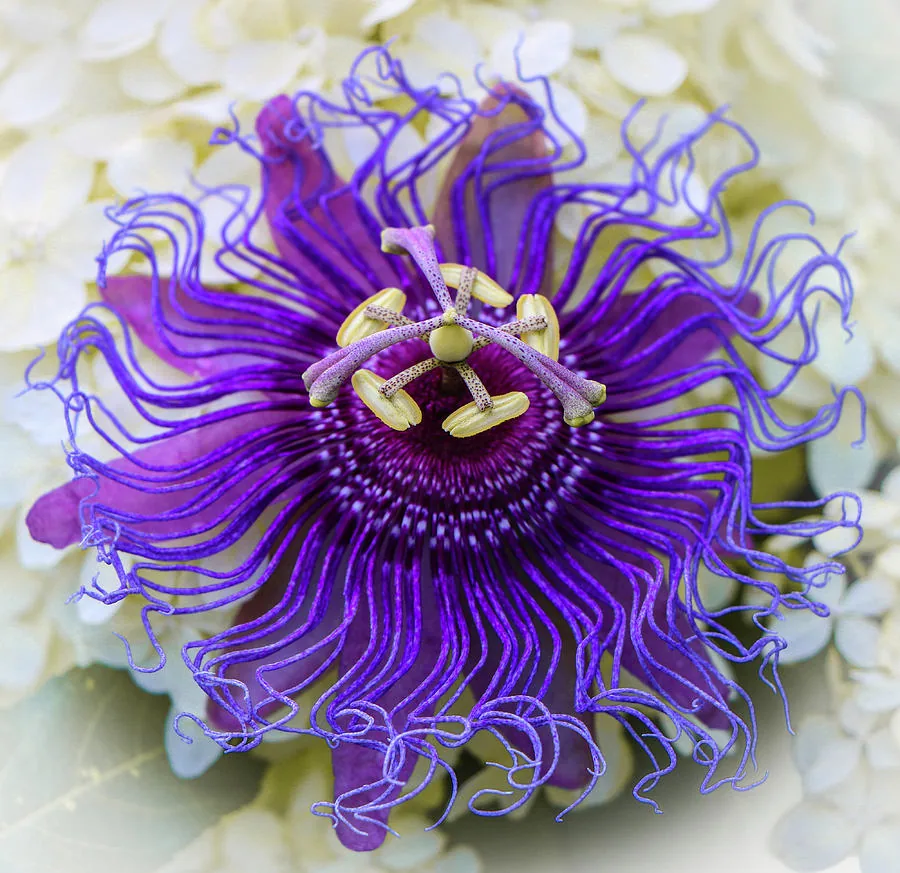
Von Mungbohnen bis hin zu Buchweizen – Vitexin ist ein Antioxidans, das in vielen Pflanzen vorkommt und seit der Antike auf allen Kontinenten als Heilmittel eingesetzt wird.64 Dieses Flavonoid, das die Wissenschaftler unter die Lupe nahmen, überraschte die Forscher mit seiner äußerst breit gefächerten pharmakologischen Wirkung.65 Seine antioxidativen und entzündungshemmenden Wirkungen werden ebenso untersucht wie seine neuroprotektiven, krampflösenden und weiteren Eigenschaften.66 Wissenschaftlich gesehen wird Vitexin als Apigenin-Flavon-Glykosid klassifiziert, das in Bambusblättern, Passionsblumen, Buchweizen, Lavendel, Mungobohnen und vielen weiteren Pflanzen vorkommt. Der Verzehr dieser Lebensmittel reicht jedoch nicht aus, um eine nennenswerte Menge zu erhalten – es sind hochkonzentrierte, spezifische Extrakte erforderlich. Vitexin wird derzeit auf seine potenzielle Rolle bei der Wirkung über den GABA-A-Rezeptorweg untersucht, und zwar in einer Weise, die mit Benzodiazepinen vergleichbar ist, jedoch eher als Modulator denn als Hemmstoff – weshalb es auf seine potenzielle Rolle bei der Verringerung von Angstzuständen ohne Sedierung oder Abhängigkeitsrisiko untersucht wird.
Hericium erinaceus (Löwenmähne) – der Regenerator für das Gehirn
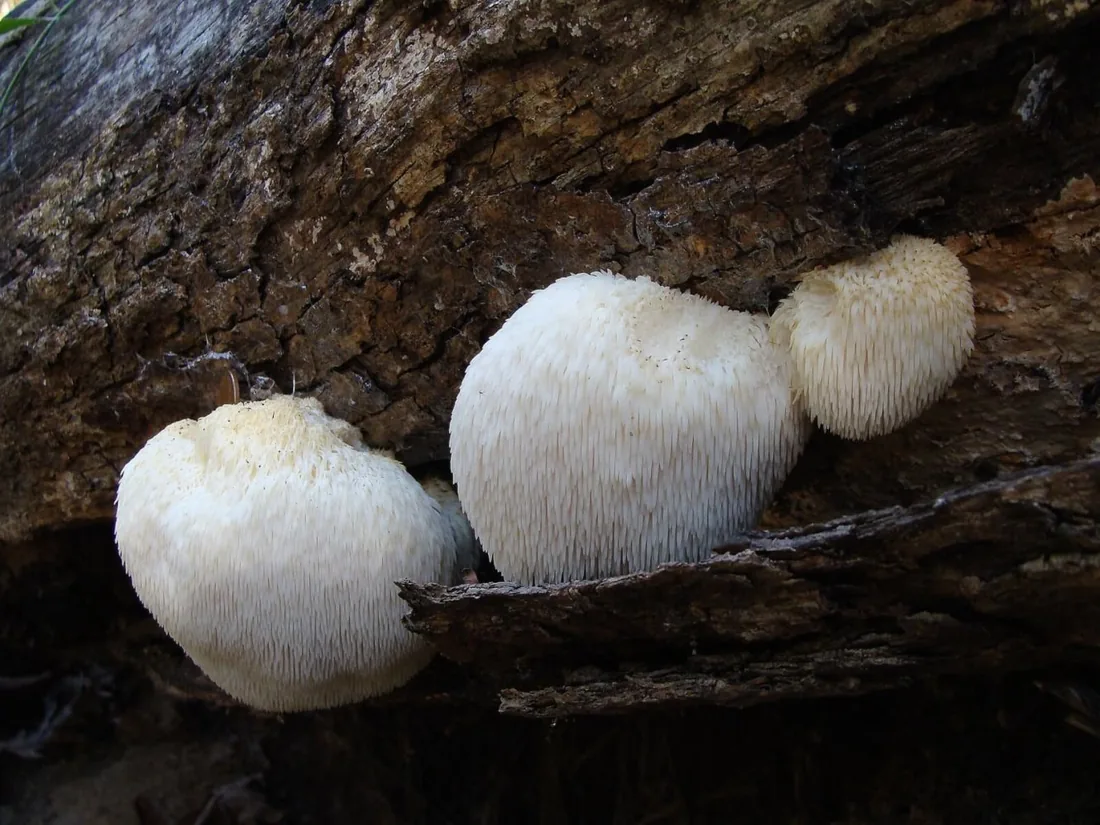
H. erinaceus ist ein Heilpilz mit einer besonders seltenen Wirkung, der auch als „Gehirnpilz“ bezeichnet wird. Sein Extrakt wird als besonders geeignet bei Angstzuständen untersucht. Neuroregeneration: Derzeit wird untersucht, inwieweit er zur Stimulierung des Nervenwachstumsfaktors (NGF) beitragen kann – in Proben menschlicher Nervenzellen führte der Extrakt dieses Pilzes zu einer effektiven Steigerung des Neuritenwachstums um 60,6 %.86 In der Forschung wird zudem untersucht, welche Rolle er bei der Förderung der Stimmung und der kognitiven Funktionen spielt. Für die Wirkung sind die richtige Art des Extrakts, die Menge und die Konzentration entscheidend.
Vitexin wird derzeit auf seine mögliche Rolle bei der Wirkung über den GABA-A-Signalweg untersucht, ähnlich wie Benzodiazepine, jedoch als Modulator und ohne Abhängigkeitsrisiko – dies wurde in über 80 klinischen Studien geprüft.
Vitexin 90 von Zenius Labs™ →Angst ist eine natürliche Reaktion des Gehirns auf Bedrohungen, die durch das Gleichgewicht zwischen GABA und Glutamat reguliert wird. Das Problem entsteht, wenn dieses System chronisch aktiviert ist, ohne dass eine tatsächliche Bedrohung vorliegt. Moderne Einflussfaktoren – Stress, schlechter Schlaf, ein Übermaß an raffinierten Kohlenhydraten – führen zu einem kontinuierlichen Anstieg des Glutamatspiegels und einer Abnahme der GABA-Aktivität, wodurch ein Zustand chronischer Angst entsteht.
Einige pflanzliche Wirkstoffe werden klinisch untersucht. Vitexin (aus Passiflora incarnata) wird derzeit auf seine mögliche Wirkung über GABA-A-Rezeptoren untersucht, die mit der von Benzodiazepinen vergleichbar ist, jedoch ohne das Risiko einer Abhängigkeit. Dies wurde in mehr als 80 klinischen Studien an verschiedenen Patientengruppen untersucht. Besprechen Sie jeden Behandlungsansatz stets mit einer medizinischen Fachkraft.
Verschreibungspflichtige Beruhigungsmittel (Benzodiazepine) wirken direkt dämpfend auf das zentrale Nervensystem und können zu Abhängigkeit, Gedächtnisstörungen und verlangsamten Bewegungen führen. Vitexin 90 von Zenius Labs™ wird derzeit auf seine potenzielle Rolle hin untersucht, über denselben GABA-A-Rezeptorweg zu wirken, jedoch eher als Modulator denn als Hemmstoff – mit dem Ziel, Angstzustände ohne Sedierung oder Abhängigkeit zu lindern. Dies dient lediglich der Information und stellt keine medizinische Beratung dar.
Leichte situationsbedingte Ängste können abklingen. Chronische Ängste, die mit neurochemischen Veränderungen zusammenhängen, lassen jedoch in der Regel ohne Intervention nicht nach – und können sich mit der Zeit sogar verstärken. Es ist wichtig, die Ursache frühzeitig anzugehen (Schlaf, Ernährung, körperliche Aktivität, Unterstützung durch GABA), anstatt abzuwarten, bis sich die Symptome verschlimmern. Suchen Sie gegebenenfalls professionelle Hilfe auf.
Nein, aber sie treten oft gemeinsam auf. Angst ist ein Übermaß an Erregung und Furcht; Depression ist emotionale und energetische Erschöpfung. Beide stehen im Zusammenhang mit einem Ungleichgewicht von GABA/Serotonin, weshalb bestimmte Maßnahmen (wie beispielsweise Passiflora-incarnata-Extrakt) auf ihre Wirkung bei beiden Erkrankungen untersucht werden.
Chronische Angst kann auf Dauer schädlich sein: Sie führt zu einem Anstieg des Cortisolspiegels, schwächt das Immunsystem und erhöht das Risiko für Herz-Kreislauf-Erkrankungen. Kurzfristige Angst ist normal und sogar nützlich. Das Problem entsteht erst, wenn sie zu einem festen Bestandteil des Alltags wird – daher ist es wichtig, sie nicht unbehandelt zu lassen.
- Moreno-Agostino D et al. Characterising patterns of health behaviours in middle-aged and older adults. BMC Public Health. 2020. biomedcentral.com
- Missing: https://www.who.int/news-room/fact-sheets/detail/anxiety-disorders
- Missing: https://presse.inserm.fr/en/benzodiazepine-use-and-dementia-in-the-over-65s/47631/
- Missing: https://www.researchgate.net/publication/396450394_The_Use_of_Benzodiazepines_in_the_Elderly_Population_Epidemiology_Risks_and_Withdrawal_Management
- Miczke A et al. GABA and anxiety: IntechOpen chapter. IntechOpen. intechopen.com
- Gibson GR et al. Dietary prebiotics: current status and new definition. J Nutr. 2010. oup.com
- Nuss P. Anxiety disorders and GABA neurotransmission: a disturbance of modulation. Neuropsychiatric disease and treatment. 2015. PubMed Central
- Nutrients and neurotransmitters: IntechOpen chapter. IntechOpen. intechopen.com
- American Addiction Centers. Long-term effects of Xanax use. AmericanAddictionCenters.org. americanaddictioncenters.org
- MedlinePlus. Alprazolam (Xanax) drug information. MedlinePlus (NIH). medlineplus.gov
- Wang C et al. Glucose inhibits GABA release by pancreatic beta-cells through an increase in GABA shunt activity. Am J Physiol Endocrinol Metab. 2006. PubMed
- Levin BE et al. Regulation of energy homeostasis by peripheral signals. Am J Physiol Regul Integr Comp Physiol. 2017. physiology.org
- Kose J et al. A Comparison of Sugar Intake between Individuals with High and Low Trait Anxiety: Results from the NutriNet-Santé Study. Nutrients. 2021. PubMed
- Alasmari F. Caffeine induces neurobehavioral effects through modulating neurotransmitters. Saudi Pharm J. 2020. PubMed
- John J et al. Caffeine promotes glutamate and histamine release in the posterior hypothalamus. American journal of physiology. Regulatory, integrative and comparative physiology. 2014. PubMed Central
- Solinas M et al. Caffeine induces dopamine and glutamate release in the shell of the nucleus accumbens. The Journal of neuroscience : the official journal of the Society for Neuroscience. 2002. PubMed Central
- Psychology Today. Anxiety and social media use. PsychologyToday.com. 2020. psychologytoday.com
- Shensa A et al. Social Media Use and Depression and Anxiety Symptoms: A Cluster Analysis. American journal of health behavior. 2018. PubMed Central
- Harvard Graduate School of Education. Social media and teen anxiety. Harvard GSE. 2017. gse.harvard.edu
- Vannucci A et al. Social media use and anxiety in emerging adults. Scand J Psychol. 2017. wiley.com
- Onaolapo OJ et al. Monosodium glutamate-associated alterations in open field, anxiety-related and conditioned place preference behaviours in mice. Naunyn Schmiedebergs Arch Pharmacol. 2017. PubMed
- Ureña-Guerrero ME et al. Excitotoxic neonatal damage induced by monosodium glutamate reduces several GABAergic markers in the cerebral cortex and hippocampus in adulthood. Int J Dev Neurosci. 2009. PubMed
- Quines CB et al. Monosodium glutamate, a food additive, induces depressive-like and anxiogenic-like behaviors in young rats. Life Sci. 2014. PubMed
- Porcelli B et al. Celiac and non-celiac gluten sensitivity: a review on the association with schizophrenia and mood disorders. Auto Immun Highlights. 2014. PubMed
- Casella G et al. Mood disorders and non-celiac gluten sensitivity. Minerva Gastroenterol Dietol. 2017. PubMed
- Losurdo G et al. Extra-intestinal manifestations of non-celiac gluten sensitivity: An expanding paradigm. World J Gastroenterol. 2018. PubMed
- Addolorato G et al. Anxiety and depression in celiac disease. Intern Emerg Med. 2014. springer.com
- Verywell Health. Gluten-related neurological symptoms. VeryWellHealth.com. verywellhealth.com
- WHO Europe. Alcohol use and mental health. WHO. 2018. euro.who.int
- Norwitz NG et al. Nutrition as Metabolic Treatment for Anxiety. Front Psychiatry. 2021. PubMed
- Bear TLK et al. The Role of the Gut Microbiota in Dietary Interventions for Depression and Anxiety. Adv Nutr. 2020. PubMed
- Firth J et al. Food and mood: how do diet and nutrition affect mental wellbeing?. BMJ. 2020. PubMed
- Adan RAH et al. Nutritional psychiatry: Towards improving mental health by what you eat. Eur Neuropsychopharmacol. 2019. PubMed
- Marx W et al. Nutritional psychiatry: the present state of the evidence. Proc Nutr Soc. 2017. PubMed
- Chao L et al. Effects of Probiotics on Depressive or Anxiety Variables in Healthy Participants Under Stress Conditions or With a Depressive or Anxiety Diagnosis: A Meta-Analysis of Randomized Controlled Trials. Front Neurol. 2020. PubMed
- Sun LJ et al. Gut hormones in microbiota-gut-brain cross-talk. Chin Med J (Engl). 2020. PubMed
- Luna RA et al. Gut brain axis: diet microbiota interactions and implications for modulation of anxiety and depression. Curr Opin Biotechnol. 2015. PubMed
- Evrensel A et al. Immune-Kynurenine Pathways and the Gut Microbiota-Brain Axis in Anxiety Disorders. Adv Exp Med Biol. 2020. PubMed
- Martin CR et al. The Brain-Gut-Microbiome Axis. Cell Mol Gastroenterol Hepatol. 2018. PubMed
- Schmidt K et al. Prebiotic intake reduces the waking cortisol response and alters emotional bias in healthy volunteers. Psychopharmacology (Berl). 2015. PubMed
- Simpson CA et al. The gut microbiota in anxiety and depression. Front Psychiatry. 2018. frontiersin.org
- Rieder R et al. Microbes and mental health: A review. Brain Behav Immun. 2017. PubMed
- Messaoudi M et al. Beneficial psychological effects of a probiotic formulation (Lactobacillus helveticus R0052 and Bifidobacterium longum R0175) in healthy human volunteers. Gut Microbes. 2011. PubMed
- Steenbergen L et al. A randomized controlled trial to test the effect of multispecies probiotics on cognitive reactivity to sad mood. Brain Behav Immun. 2015. PubMed
- Taylor AM et al. A review of dietary and microbial connections to depression, anxiety, and stress. Nutr Neurosci. 2020. PubMed
- Dahl WJ et al. Dietary fibre and gut microbiome interactions. Nature Scientific Reports. 2021. nature.com
- New Brain Nutrition. Can prebiotics treat anxiety and depression?. NewBrainNutrition.com. newbrainnutrition.com
- Kao AC et al. The Influence of Prebiotics on Neurobiology and Behavior. Int Rev Neurobiol. 2016. PubMed
- Szklany K et al. Supplementation of dietary non-digestible oligosaccharides from birth onwards improve social and reduce anxiety-like behaviour in male BALB/c mice. Nutr Neurosci. 2020. PubMed
- Diabetes.co.uk. Ketogenic diet and mental health. Diabetes.co.uk. diabetes.co.uk
- Włodarczyk A et al. Ketogenic Diet: A Dietary Modification as an Anxiolytic Approach?. Nutrients. 2020. PubMed Central
- Kandola A et al. Exercise and Anxiety. Adv Exp Med Biol. 2020. PubMed
- Streeter CC et al. Yoga Asana sessions increase brain GABA levels: a pilot study. J Altern Complement Med. 2007. PubMed
- Hayasaka S et al. Effects of charcoal kiln saunas (Jjimjilbang) on psychological states. Complement Ther Clin Pract. 2008. PubMed
- Cain T et al. Effects of cold-water immersion on health and wellbeing: A systematic review and meta-analysis. PLoS One. 2025. PubMed
- Vignes M et al. Anxiolytic properties of green tea polyphenol (-)-epigallocatechin gallate (EGCG). Brain Res. 2006. PubMed
- Peters CM et al. Formulation with ascorbic acid and sucrose modulates catechin bioavailability from green tea. Food research international (Ottawa, Ont.). 2010. PubMed Central
- Jerath R et al. Self-regulation of breathing as a primary treatment for anxiety. Appl Psychophysiol Biofeedback. 2015. PubMed
- Psychology Today. Longer exhalations ease anxiety. PsychologyToday.com. 2019. psychologytoday.com
- Feathered Pipe Foundation. How breath affects the nervous system. FeatheredPipe.com. featheredpipe.com
- Kim M et al. Role Identification of Passiflora Incarnata Linnaeus: A Mini Review. Journal of menopausal medicine. 2017. PubMed Central
- Appel K et al. Modulation of the γ-aminobutyric acid (GABA) system by Passiflora incarnata L. Phytother Res. 2011. sciencedirect.com
- Babaei F et al. Review of the effects of vitexin in oxidative stress-related diseases. Food science & nutrition. 2020. PubMed Central
- Akhondzadeh S et al. Passionflower in the treatment of generalized anxiety: a pilot double-blind randomized controlled trial with oxazepam. J Clin Pharm Ther. 2001. PubMed
- Christoffoli MT et al. Assessment of Passiflora incarnata L for conscious sedation of patients during the extraction of mandibular third molars: a randomized, split-mouth, double-blind, crossover study. Quintessence Int. 2021. PubMed
- Janda K et al. Passiflora incarnata in Neuropsychiatric Disorders-A Systematic Review. Nutrients. 2020. PubMed Central
- Luscher C et al. GABA(A) receptor trafficking-mediated plasticity of inhibitory synapses. Neuron. 2000. nature.com
- Abbasi E et al. Neuroprotective effects of vitexin, a flavonoid, on pentylenetetrazole-induced seizure in rats. Chem Biol Drug Des. 2012. PubMed
- Grundmann O et al. Anxiolytic activity of a phytochemically characterized Passiflora incarnata extract is mediated via the GABAergic system. Planta Med. 2008. PubMed
- Oliveira DR et al. Flavones-bound in benzodiazepine site on GABA(A) receptor: Concomitant anxiolytic-like and cognitive-enhancing effects produced by Isovitexin and 6-C-glycoside-Diosmetin. Eur J Pharmacol. 2018. PubMed
- Šurkienė G et al. Benzodiazepinų vartojimo paplitimas Lietuvoje. Psichiatrija.lt. 2019. psichiatrija.lt
- Lakhan SE et al. Nutritional and herbal supplements for anxiety and anxiety-related disorders: systematic review. Nutrition journal. 2010. PubMed Central
- Nojoumi M et al. Effects of Passion Flower Extract, as an Add-On Treatment to Sertraline, on Reaction Time in Patients with Generalized Anxiety Disorder: A Double-Blind Placebo-Controlled Study. Iranian journal of psychiatry. 2016. PubMed Central
- Qi Y et al. Vitexin improves neuron apoptosis and memory impairment induced by isoflurane via regulation of miR-409 expression. Adv Clin Exp Med. 2020. PubMed
- Kim GH et al. Improvement in neurogenesis and memory function by administration of Passiflora incarnata L. extract applied to sleep disorder in rodent models. J Chem Neuroanat. 2019. PubMed
- Sveikatos apsaugos ministerija. Raminamųjų bei migdomųjų vaistų vartojimo grėsmės. SAM.lrv.lt. sam.lrv.lt
- Akhondzadeh S et al. Passionflower in the treatment of opiates withdrawal: a double-blind randomized controlled trial. J Clin Pharm Ther. 2001. PubMed
- Dhawan K. Drug/substance reversal effects of a novel tri-substituted benzoflavone moiety (BZF) isolated from Passiflora incarnata Linn.–a brief perspective. Addict Biol. 2003. PubMed
- de Oliveira DD et al. Vitexin Possesses Anticonvulsant and Anxiolytic-Like Effects in Murine Animal Models. Frontiers in pharmacology. 2020. PubMed Central
- Nassiri-Asl M et al. Anticonvulsant effects of aerial parts of Passiflora incarnata extract in mice: involvement of benzodiazepine and opioid receptors. BMC complementary and alternative medicine. 2007. PubMed Central
- Bourin M et al. A combination of plant extracts in the treatment of outpatients with adjustment disorder with anxious mood: controlled study versus placebo. Fundam Clin Pharmacol. 1997. PubMed
- Singh B et al. Dual protective effect of Passiflora incarnata in epilepsy and associated post-ictal depression. J Ethnopharmacol. 2012. PubMed
- Lai PL et al. Neurotrophic properties of the Lion’s mane medicinal mushroom, Hericium erinaceus (Higher Basidiomycetes) from Malaysia. Int J Med Mushrooms. 2013. PubMed
- Kolotushkina EV et al. The influence of Hericium erinaceus extract on myelination process in vitro. Fiziol Zh (1994). 2003. PubMed
- Wong KH et al. Neuroregenerative potential of lion’s mane mushroom, Hericium erinaceus (Bull.: Fr.) Pers. (higher Basidiomycetes), in the treatment of peripheral nerve injury (review). Int J Med Mushrooms. 2012. PubMed
- He X et al. Structures, biological activities, and industrial applications of the polysaccharides from Hericium erinaceus (Lion’s Mane) mushroom: A review. Int J Biol Macromol. 2017. PubMed
- Park YS et al. Effect of an exo-polysaccharide from the culture broth of Hericium erinaceus on enhancement of growth and differentiation of rat adrenal nerve cells. Cytotechnology. 2002. PubMed Central
- Samberkar S et al. Lion’s Mane, Hericium erinaceus and Tiger Milk, Lignosus rhinocerotis (Higher Basidiomycetes) Medicinal Mushrooms Stimulate Neurite Outgrowth in Dissociated Cells of Brain, Spinal Cord, and Retina: An In Vitro Study. Int J Med Mushrooms. 2015. PubMed
- Nagano M et al. Reduction of depression and anxiety by 4 weeks Hericium erinaceus intake. Biomed Res. 2010. PubMed
- Vigna L et al. Hericium erinaceus Improves Mood and Sleep Disorders in Patients Affected by Overweight or Obesity: Could Circulating Pro-BDNF and BDNF Be Potential Biomarkers?. Evid Based Complement Alternat Med. 2019. PubMed
- Friedman M. Chemistry, Nutrition, and Health-Promoting Properties of Hericium erinaceus (Lion’s Mane) Mushroom Fruiting Bodies and Mycelia and Their Bioactive Compounds. J Agric Food Chem. 2015. PubMed
- Chong PS et al. Neurogenesis-dependent antidepressant-like activity of Hericium erinaceus in an animal model of depression. Chin Med. 2021. PubMed
- Brandalise F et al. Dietary Supplementation of Hericium erinaceus Increases Mossy Fiber-CA3 Hippocampal Neurotransmission and Recognition Memory in Wild-Type Mice. Evidence-based complementary and alternative medicine : eCAM. 2017. PubMed Central
- Zhang J et al. The Neuroprotective Properties of Hericium erinaceus in Glutamate-Damaged Differentiated PC12 Cells and an Alzheimer’s Disease Mouse Model. International journal of molecular sciences. 2016. PubMed Central
- Mori K et al. Improving effects of the mushroom Yamabushitake (Hericium erinaceus) on mild cognitive impairment: a double-blind placebo-controlled clinical trial. Phytother Res. 2009. PubMed
- Chong PS et al. Therapeutic Potential of Hericium erinaceus for Depressive Disorder. Int J Mol Sci. 2019. PubMed
- Kim YO et al. Hericium erinaceus suppresses LPS-induced pro-inflammation gene activation in RAW264.7 macrophages. Immunopharmacol Immunotoxicol. 2012. PubMed
- Qin M et al. Anti-Inflammatory Effects of Ethanol Extract of Lion’s Mane Medicinal Mushroom, Hericium erinaceus (Agaricomycetes), in Mice with Ulcerative Colitis. Int J Med Mushrooms. 2016. PubMed
- Mori K et al. Effects of Hericium erinaceus on amyloid β(25-35) peptide-induced learning and memory deficits in mice. Biomed Res. 2011. PubMed
- Velasquez ACA et al. Effects of Passiflora incarnata and Valeriana officinalis in the control of anxiety due to tooth extraction: a randomized controlled clinical trial. Oral and maxillofacial surgery. 2024. PubMed
- Miyasaka LS et al. Passiflora for anxiety disorder. The Cochrane database of systematic reviews. 2007. PubMed
- Wolfman C et al. Possible anxiolytic effects of chrysin, a central benzodiazepine receptor ligand isolated from Passiflora coerulea. Pharmacology, biochemistry, and behavior. 1994. PubMed
- Krenn L [Passion Flower (Passiflora incarnata L.)–a reliable herbal sedative]. Wiener medizinische Wochenschrift (1946). 2002. PubMed
- Medina JH et al. Chrysin (5,7-di-OH-flavone), a naturally-occurring ligand for benzodiazepine receptors, with anticonvulsant properties. Biochemical pharmacology. 1990. PubMed
- Al Hasan MS et al. Assessment of sedative activity of Chrysin: Behavioral approach with pharmacokinetics, toxicological profile and molecular docking. Sleep medicine. 2025. PubMed
- Nagano M et al. Reduction of depression and anxiety by 4 weeks Hericium erinaceus intake. Biomedical research (Tokyo, Japan). 2010. PubMed
- Vigna L et al. Hericium erinaceus Improves Mood and Sleep Disorders in Patients Affected by Overweight or Obesity: Could Circulating Pro-BDNF and BDNF Be Potential Biomarkers?. Evidence-based complementary and alternative medicine : eCAM. 2019. PubMed
- Koszła O et al. Biotransformation of Ganoderma lucidum and Hericium erinaceus for ex vivo gut-brain axis modulation and mood-related outcomes in humans: CREB/BDNF signaling and microbiota-driven synergies. Journal of ethnopharmacology. 2025. PubMed
- Mori K et al. Nerve growth factor-inducing activity of Hericium erinaceus in 1321N1 human astrocytoma cells. Biological & pharmaceutical bulletin. 2008. PubMed
- Lai PL et al. Neurotrophic properties of the Lion’s mane medicinal mushroom, Hericium erinaceus (Higher Basidiomycetes) from Malaysia. International journal of medicinal mushrooms. 2013. PubMed
- Cipriano GL et al. Beyond Neurotrophins: A Proposed Neurotrophic-Epigenetic Axis Mediated by Non-Coding RNA Networks for Hericium erinaceus Bioactives-A Hypothesis-Driven Review. International journal of molecular sciences. 2026. PubMed
- Roda E et al. Cognitive Healthy Aging in Mice: Boosting Memory by an Ergothioneine-Rich Hericium erinaceus Primordium Extract. Biology. 2023. PubMed
- Ratto D et al. Hericium erinaceus Improves Recognition Memory and Induces Hippocampal and Cerebellar Neurogenesis in Frail Mice during Aging. Nutrients. 2019. PubMed
- Priori EC et al. Hericium erinaceus Extract Exerts Beneficial Effects on Gut-Neuroinflammaging-Cognitive Axis in Elderly Mice. Biology. 2023. PubMed
- Jeanclos E et al. Improved cognition, mild anxiety-like behavior and decreased motor performance in pyridoxal phosphatase-deficient mice. Biochimica et biophysica acta. Molecular basis of disease. 2019. PubMed
- Kasaragod VB et al. Pyridoxal kinase inhibition by artemisinins down-regulates inhibitory neurotransmission. Proceedings of the National Academy of Sciences of the United States of America. 2020. PubMed
- Singhuber J et al. GABA(A) receptor modulators from Chinese herbal medicines traditionally applied against insomnia and anxiety. Phytomedicine : international journal of phytotherapy and phytopharmacology. 2012. PubMed
- Evans AK et al. Pharmacology of the beta-carboline FG-7,142, a partial inverse agonist at the benzodiazepine allosteric site of the GABA A receptor: neurochemical, neurophysiological, and behavioral effects. CNS drug reviews. 2007. PubMed
- Zhong H et al. Neonatal inflammation via persistent TGF-β1 downregulation decreases GABA(A)R expression in basolateral amygdala leading to the imbalance of the local excitation-inhibition circuits and anxiety-like phenotype in adult mice. Neurobiology of disease. 2022. PubMed
- Pétursson H The benzodiazepine withdrawal syndrome. Addiction (Abingdon, England). 1994. PubMed
- Soyka M Treatment of Benzodiazepine Dependence. The New England journal of medicine. 2017. PubMed
- O’brien CP Benzodiazepine use, abuse, and dependence. The Journal of clinical psychiatry. 2005. PubMed
- Akhondzadeh S et al. Passionflower in the treatment of generalized anxiety: a pilot double-blind randomized controlled trial with oxazepam. Journal of clinical pharmacy and therapeutics. 2001. PubMed
- Stein MB Neurobiology of generalized anxiety disorder. The Journal of clinical psychiatry. 2009. PubMed
- Pollack MH Refractory generalized anxiety disorder. The Journal of clinical psychiatry. 2009. PubMed
- Richier C et al. Brain Age Prediction in Generalized Anxiety Disorder using a Convolutional Neural Network. Research square. 2025. PubMed
- Amigó J et al. The absence of 5-HT(4) receptors modulates depression- and anxiety-like responses and influences the response of fluoxetine in olfactory bulbectomised mice: Adaptive changes in hippocampal neuroplasticity markers and 5-HT(1A) autoreceptor. Neuropharmacology. 2016. PubMed
- Paliokha R et al. Effects of pre-gestational exposure to the stressors and perinatal mirtazapine administration on the excitability of hippocampal glutamate and brainstem monoaminergic neurons, hippocampal neuroplasticity, and anxiety-like behavior in rats. Molecular psychiatry. 2026. PubMed
- Cryan JF et al. The Microbiota-Gut-Brain Axis. Physiological reviews. 2019. PubMed
- Rutsch A et al. The Gut-Brain Axis: How Microbiota and Host Inflammasome Influence Brain Physiology and Pathology. Frontiers in immunology. 2020. PubMed
- Foster JA et al. Stress & the gut-brain axis: Regulation by the microbiome. Neurobiology of stress. 2017. PubMed
- Bear T et al. The Microbiome-Gut-Brain Axis and Resilience to Developing Anxiety or Depression under Stress. Microorganisms. 2021. PubMed